- • First-party bad faith: your own insurer, your own policy, your own loss, and the carrier refuses, delays, or underpays a claim you filed. Hurricane property claims are first-party.
- • Third-party bad faith: your liability insurer mishandles a claim a third person brought against you. For example, refusing a reasonable settlement and exposing you to a judgment above your limits.
- • The distinction controls the vehicle. In Florida, first-party bad faith is statutory (§ 624.155) while third-party bad faith is long-recognized at common law. South Carolina recognizes first-party bad faith in tort (Nichols, 1983).
- • The duties differ. Third-party bad faith centers on the duty to settle within limits; first-party bad faith centers on paying your own covered claim reasonably and promptly.
- • Which claim you have decides your prerequisites, your deadlines, and your damages. This is general information. Confirm your situation with a licensed attorney in your state.
Who is on the other side of the policy
The whole distinction turns on one question: whose claim is the insurer handling? In first-party bad faith, it is handling your claim under your policy for your loss, and the charge is that it refused, delayed, or underpaid what it owed you. In third-party bad faith, it is handling a claim someone else brought against you under your liability coverage, and the charge is that its mishandling left you exposed.
For hurricane property damage, you are almost always in the first bucket. You are the policyholder, the storm hit your building, and you filed with your own carrier. Everything else on this page exists so you can name the claim precisely, because the label sets the rules that follow.
First-party bad faith, in detail
First-party bad faith is the property-owner's claim. You paid premiums for coverage on your own home or building; a covered peril caused a loss; you filed; and the insurer handled it unreasonably: a denial with no reasonable basis, a benefit it sat on, or a settlement engineered below what the policy owed. The duty at stake is the insurer's obligation to deal fairly with its own insured in paying a covered claim.
The vehicle differs by state. In Florida, first-party bad faith is statutory, § 624.155, and generally requires a Civil Remedy Notice and a cure period before the action can proceed. In South Carolina, it is a common-law tort recognized in Nichols (S.C. 1983), backed by the Title 38, Chapter 59 statutes and the § 38-59-40 fee provision. Either way, the harm reached can extend beyond the policy benefit; see what bad-faith damages cover.
Third-party bad faith, in detail
Third-party bad faith lives in liability insurance: auto, general liability, umbrella. Here the insurer is not paying your loss; it is defending and settling a claim someone else brought against you. Its central duty is the duty to settle: when there is a reasonable opportunity to resolve the claim within your policy limits, the insurer must give your interests at least as much weight as its own.
The classic failure: the insurer unreasonably rejects a within-limits settlement, the case goes to verdict, and the judgment lands above your limits, leaving you personally on the hook for the excess. Third-party bad faith lets you (or the injured party, by assignment) pursue the insurer for that excess exposure. In Florida this is a long-standing common-law action rooted in the duty to settle (the Boston Old Colony line, Fla. 1980). It is not the typical hurricane-property scenario, but it is why the term "bad faith" is broader than a denied property claim.
The two claims, side by side
Which one is your hurricane claim?
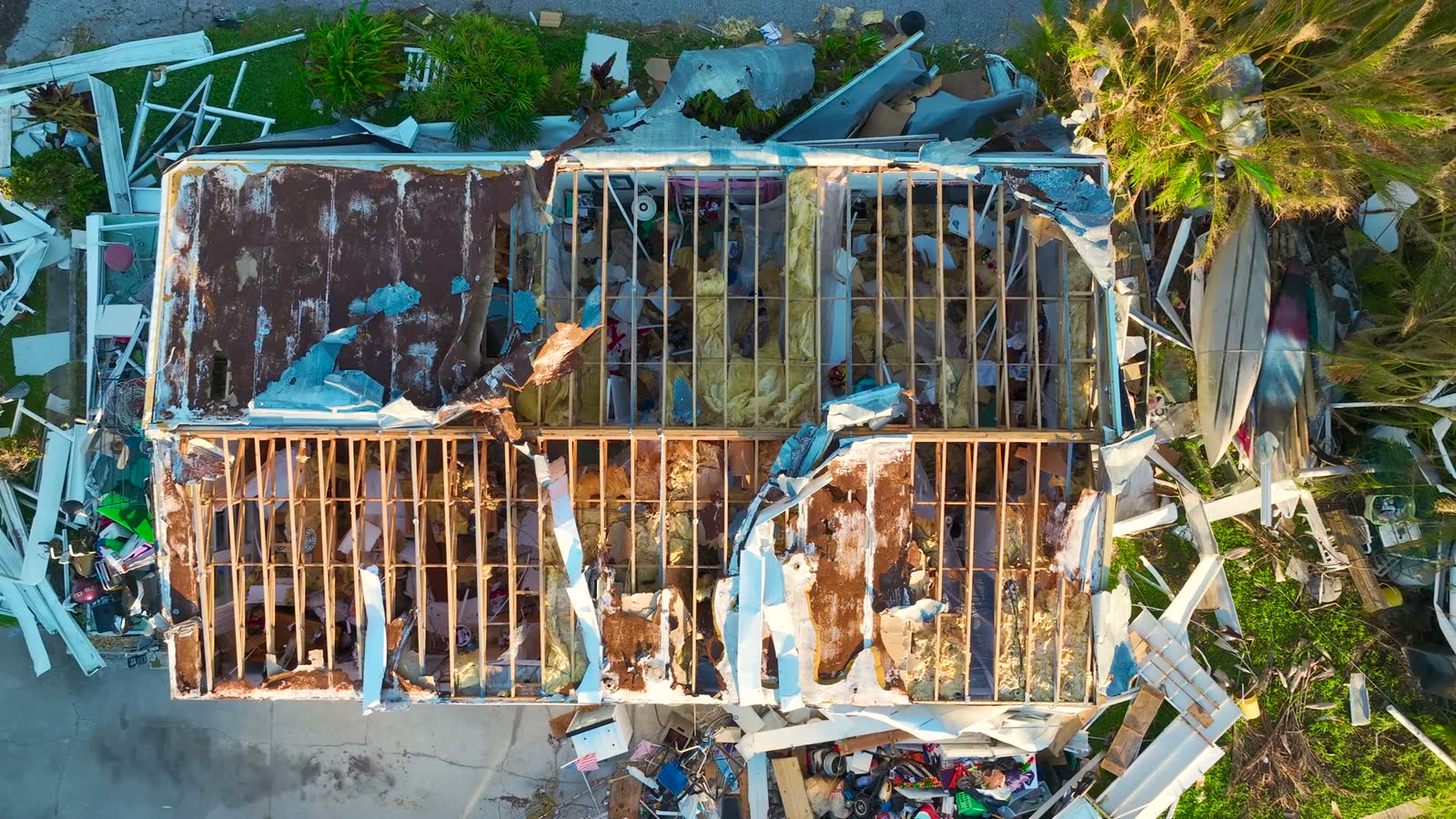
If a hurricane damaged your roof, flooded your interior, or wrecked your commercial building, and your own insurer refused, delayed, or underpaid, that is a first-party matter. The relevant frameworks are Florida's § 624.155 and South Carolina's Nichols tort plus Title 38, and the tactics to watch are in the delay-and-lowball guide.
Naming the claim correctly is not academic. It decides your prerequisites (the Florida CRN, for one), your deadlines, and what you can recover. Get it wrong and you can forfeit a remedy. That is the analysis an attorney runs first; the deadline countdown and a public adjuster can help in the meantime.
Not legal advice; consult an attorney about your specific claim.
First-party vs. third-party FAQ
Which kind is my hurricane roof or water claim?
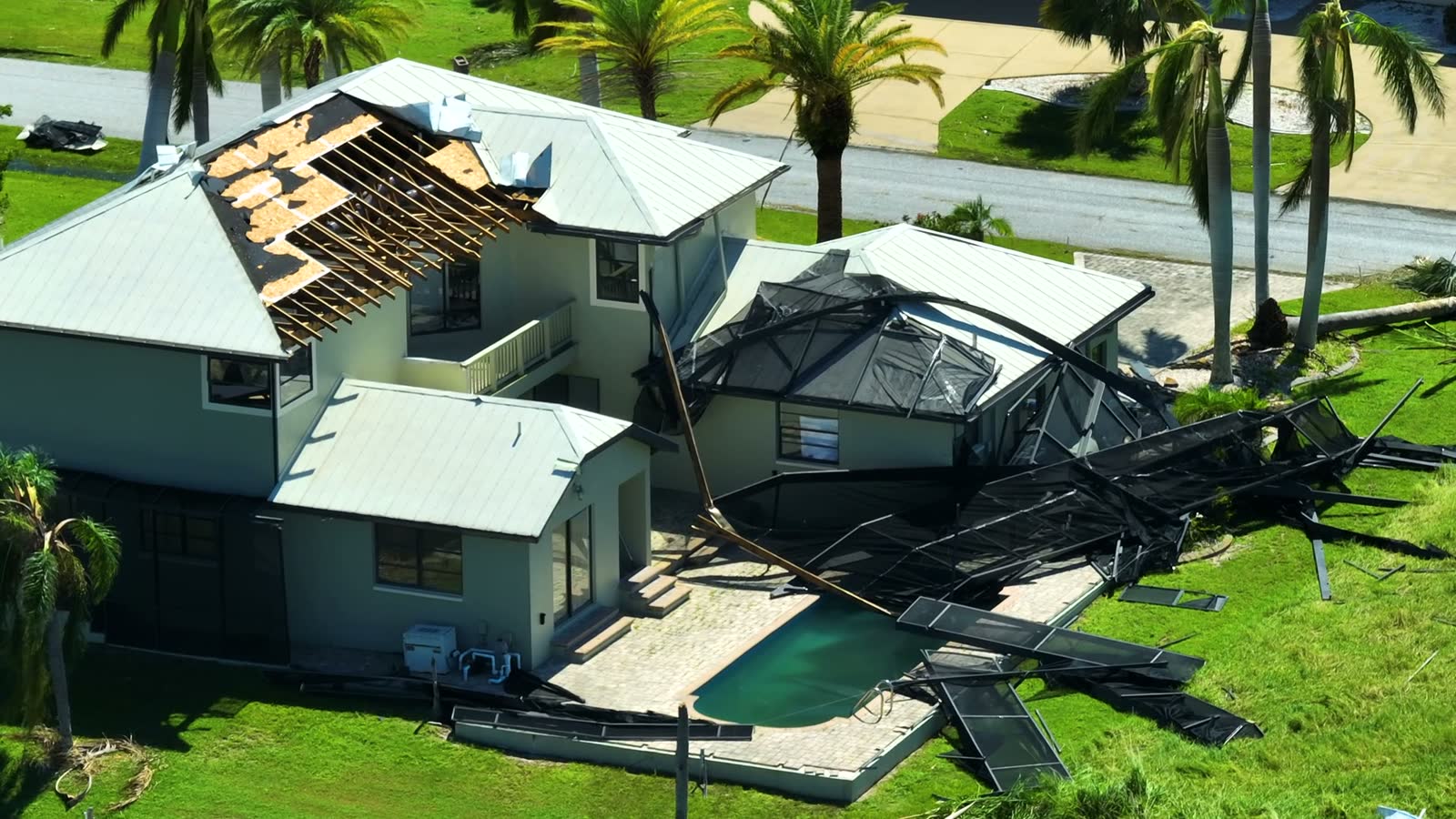
Almost certainly first-party. You bought a homeowners or commercial property policy, the storm damaged your property, and you filed a claim with your own insurer for your own loss. If that carrier refuses, delays, or underpays without a reasonable basis, the theory is first-party bad faith. Third-party bad faith involves a liability policy and a claim brought against you by someone else.
What is the classic third-party bad-faith scenario?
A liability insurer (auto or general liability) has a chance to settle a claim against its insured within the policy limits, refuses or fails to do so unreasonably, the case goes to trial, and a judgment comes back above the limits. The insured is left personally exposed for the excess. Third-party bad faith lets the insured (or the injured party by assignment) pursue the insurer for that excess.
Does Florida treat the two differently?
Yes. Florida's third-party bad faith is a long-standing common-law action rooted in the liability insurer's duty to settle (the Boston Old Colony line, Fla. 1980). Florida first-party bad faith, by contrast, is a creature of statute, § 624.155, with its own Civil Remedy Notice and cure-period prerequisites. This is a general summary; confirm the current framework with counsel.
Does South Carolina recognize first-party bad faith?
Yes. South Carolina recognizes a first-party bad-faith tort, established in Nichols v. State Farm Mut. Auto. Ins. Co. (S.C. 1983), allowing recovery of consequential damages when an insurer refuses to pay owed benefits without a reasonable basis. South Carolina also addresses claim conduct by statute in Title 38, Chapter 59.
Why does the label matter to me?
Because it changes almost everything downstream: the duty the insurer owed, the prerequisites you must satisfy before suing, the deadlines, and the damages available. Naming the claim correctly is the first analytical step, and getting it wrong can forfeit a remedy. It is a question for an attorney, not a form.
Can the same event involve both?
It can, in complex situations, but for storm property damage you are overwhelmingly in first-party territory. Third-party exposure typically arises from liability claims (injuries, damage to others) rather than from damage to your own insured property. If your facts involve both a property loss and a liability claim, that is exactly the kind of file to bring to counsel.
- Fla. Stat. § 624.155: Civil remedy ↗: Florida's statutory vehicle for first-party bad faith, with Civil Remedy Notice and cure prerequisites.
- Fla. Stat. § 626.9541: Unfair claim-settlement practices ↗: The unfair-practices conduct underlying Florida bad-faith theories.
- Boston Old Colony Ins. Co. v. Gutierrez (Fla. 1980): Florida: the liability insurer's common-law duty to act in good faith toward its insured in handling third-party claims, including the duty to settle.
- Nichols v. State Farm Mut. Auto. Ins. Co. (S.C. 1983): South Carolina: recognizes the first-party bad-faith tort and consequential-damages recovery.
- S.C. Code Title 38, Chapter 59: Claims Practices ↗: South Carolina improper-claim-practices statutes, including § 38-59-40 attorney fees.
Which lawsuit is actually yours.
Bad faith covers two different lawsuits. First-party is you against your own insurer: your policy, your loss, a carrier that refuses, delays, or underpays. Every hurricane property claim is first-party. Third-party is your liability insurer mishandling a claim someone else brought against you, for example refusing a reasonable settlement and exposing you to a judgment above your limits. In Florida, first-party bad faith is statutory under § 624.155 and requires a Civil Remedy Notice before suit; third-party bad faith brought at common law needs no such filing, though a third-party claim brought under § 624.155 still does. South Carolina recognizes first-party bad faith in tort after Nichols (1983).
Which claim you hold decides your prerequisites, deadlines, and damages, so name it first. For a storm loss the answer is almost always first-party, which means the coverage question comes first: the wind and hurricane pages and the denial guides pin that down. The free review below takes your denial letter, the adjuster estimate, and your claim correspondence.
Not sure what kind of claim you have? We'll tell you.
Upload the policy and the claim correspondence. You'll get a straight read on whether it's a first-party property fight or something else, and what the next step is.
General information, not legal advice. Submitting does not create an attorney-client relationship.

 HURRICANELAW.PRO
 A comprehensive property-insurance claim resource for policyholders: denied and underpaid claims, coverage and bad-faith law, storm dossiers, carrier profiles, city guides, and the complete claims playbook. Florida and South Carolina.
▸ SEE THE FULL SITE MAP →Coverage summaries, policy-language quotations, dollar figures, deadlines, and chart examples throughout this site are general information based on typical or standard policy forms and are illustrative only: they are not a quote, a guarantee of coverage, or a promise of any outcome. Every insurance policy is different: your own policy, endorsements, and state law control, so read your policy and confirm current statutes. Weather imagery courtesy of NOAA, the National Hurricane Center, and the National Weather Service. Legal services are provided by Halversen Law. Nothing on this site is legal advice; consult an attorney about your specific claim.
Legal matters are handled by Halversen Law, a law firm licensed in Florida and South Carolina.