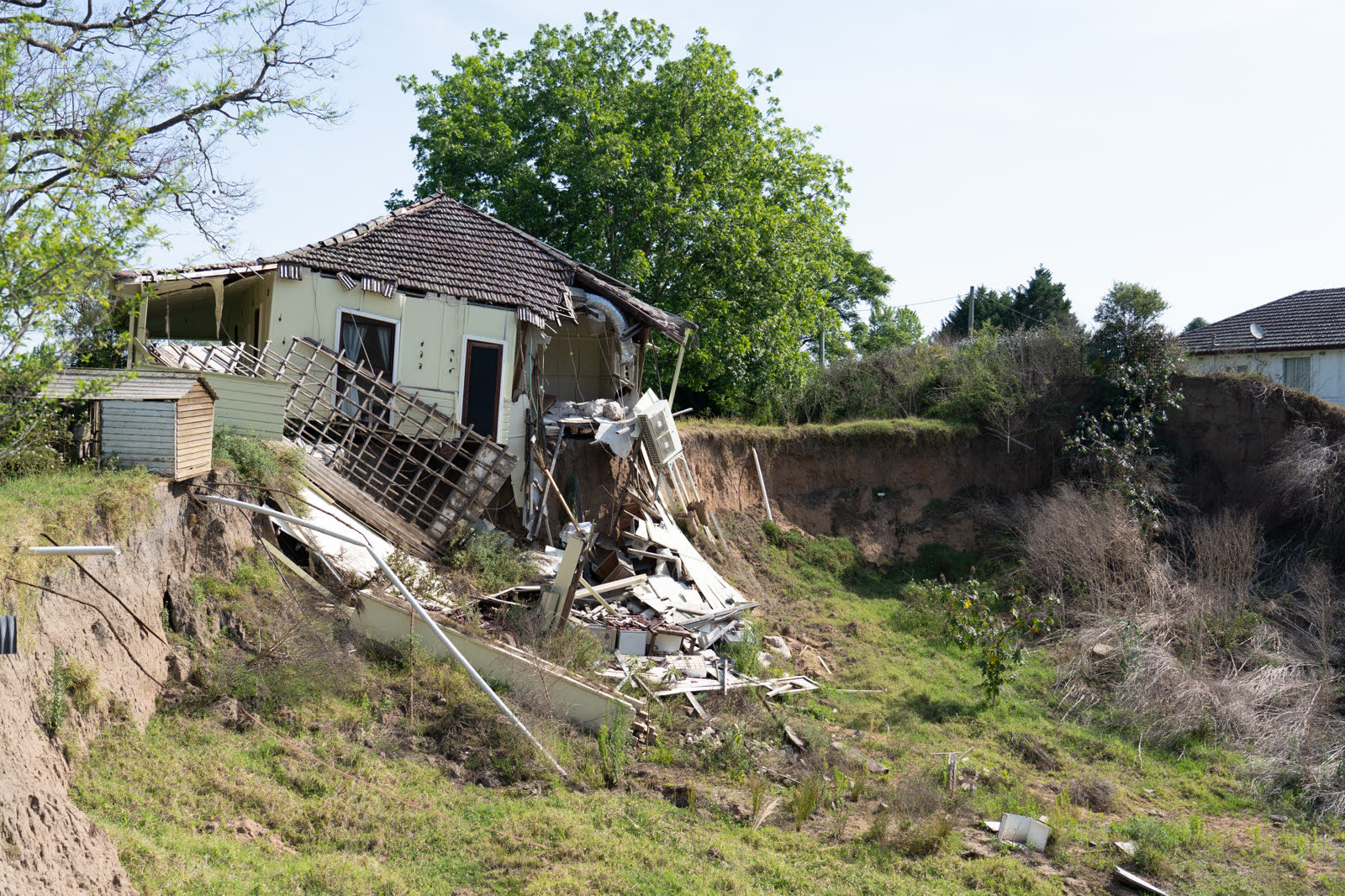
- •Modern forms define collapse as an "abrupt falling down or caving in", a standing building is not collapsed, even if it’s sagging or condemned.
- •The narrow definition is a 1980s rewrite: courts had read undefined "collapse" to mean any substantial structural impairment (Beach v. Middlesex), and insurers redrafted to reverse it.
- •The carve-back that survives: abrupt collapse caused by hidden decay or hidden insect damage, weight of people/contents/rain, or defective construction methods during construction.
- •"Hidden" is the fight, decay you knew about, or could see, defeats the coverage. Who knew what, and when, decides the claim.
- •Condemnation ≠ collapse. Nicole (2022) condemned two dozen standing Daytona towers; ordinance-&-law coverage, not collapse coverage, was the money question.
What collapse coverage actually is
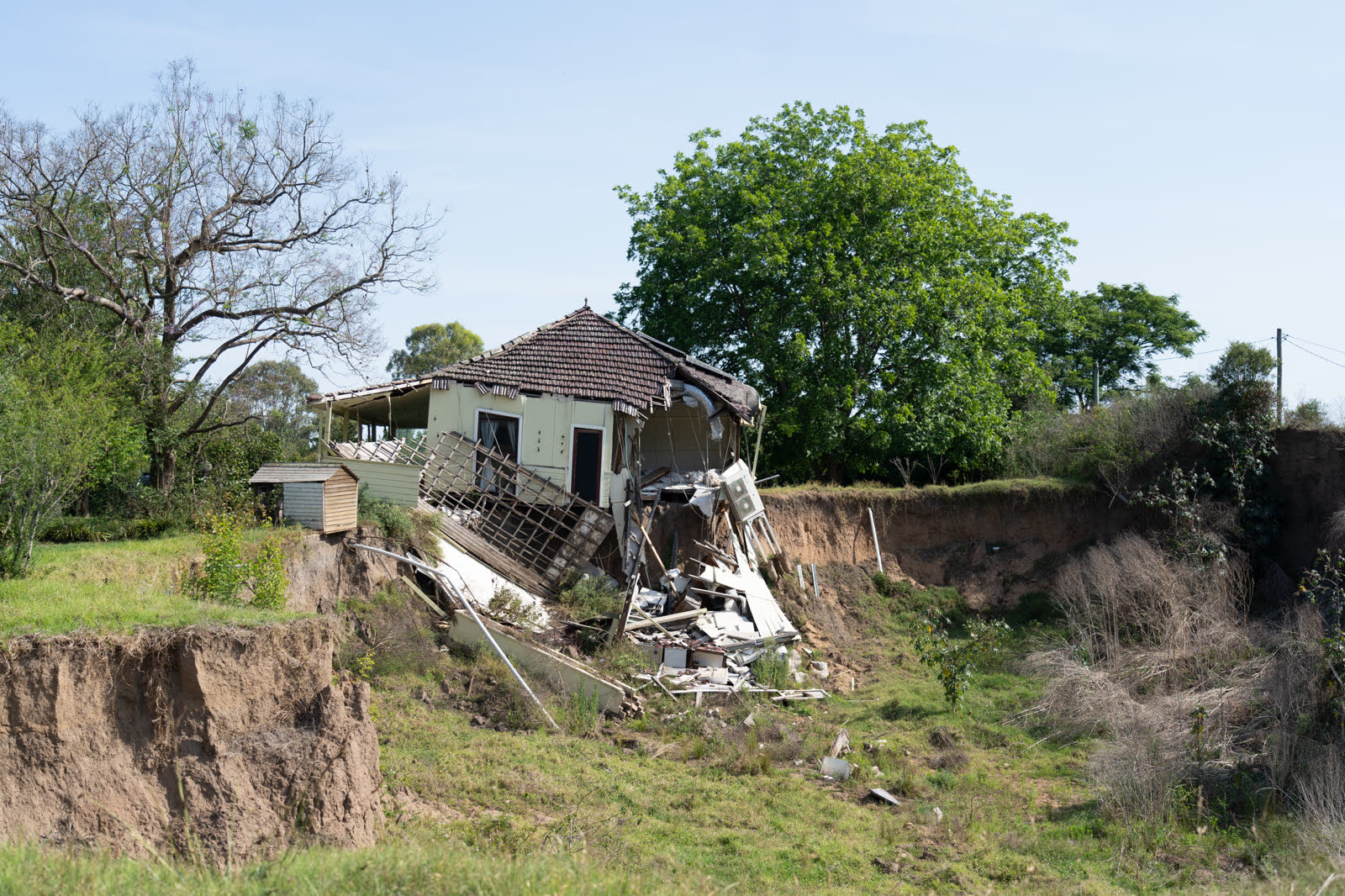
Collapse occupies a strange corner of the homeowners policy. It is not a covered peril in the ordinary list, in most modern forms it appears as an additional coverage: the policy first excludes collapse generally, then grants it back only for an abrupt collapse caused by a short list of named causes. Everything turns on two definitions, what counts as a "collapse," and which causes make it back into coverage.
The named causes in the standard grant are: a peril the policy already insures against (fire, wind, weight of ice); decay that is hidden from view; insect or vermin damage hidden from view; weight of contents, equipment, animals, or people; weight of rain that collects on a roof; and the use of defective materials or methods in construction or renovation, but only if the collapse happens during the work. Anything outside the list, visible rot, erosion, settlement, earth movement, stays excluded.
Read that list against a hurricane loss and the shape of the fight is obvious. Wind-driven rain saturates hidden framing; a ceiling comes down weeks later. Storm water pools on a flat roof until it caves. Waves undermine a seawall until the pool deck drops into the surf. Each scenario lands on a different line of the definition, and some land outside it entirely.
How "collapse" got redefined, a 40-year retreat
Older policies covered "collapse" and left the word undefined. Courts split over what it meant, and the policyholder-favorable line won the era: in Beach v. Middlesex Mutual Assurance Co., 205 Conn. 246 (1987), the Connecticut Supreme Court held that undefined "collapse" is ambiguous enough to include any substantial impairment of the structural integrity of the building, no falling down required. A cracked, bowing foundation wall qualified. Dozens of courts followed.
The insurance industry answered with its pen. Starting in the mid-1980s, ISO's standard homeowners forms added an explicit definition built to overrule Beach: collapse means an abrupt falling down or caving in such that the building cannot be occupied for its intended purpose, and, in belt-and-suspenders clauses, a building in danger of falling down is not collapsed, a standing part is not collapsed even if separated from the rest, and settling, cracking, shrinking, bulging, or expansion are not collapse at all.
Courts have largely enforced the rewrite. Even in Connecticut, Karas v. Liberty Insurance Corp., 335 Conn. 62 (2020), one of the crumbling-foundations cases, tightened Beach itself, holding that "substantial impairment of structural integrity" requires that the building be in imminent danger of actual falling down. The practical rule today: under an undefined collapse clause you may argue impairment; under the modern defined clause, something must actually have fallen, and the argument moves to why it fell.
The policy language, verbatim
MODERN COLLAPSE DEFINITION (ISO HOMEOWNERS FORM, TYPICAL WORDING)"Collapse means an abrupt falling down or caving in of a building or any part of a building with the result that the building or part of the building cannot be occupied for its current intended purpose. A building or any part of a building that is in danger of falling down or caving in is not considered to be in a state of collapse. A part of a building that is standing is not considered to be in a state of collapse even if it has separated from another part of the building."
THE EXCLUSION TAIL: WHERE SAGGING CLAIMS GO TO DIE"A building that is standing or any part of a building that is standing is not considered to be in a state of collapse even if it shows evidence of cracking, bulging, sagging, bending, leaning, settling, shrinkage or expansion."
Form wording varies by carrier and edition year, some older policies still carry an undefined "collapse," which changes the whole legal analysis in your favor. Read your own form before accepting the adjuster's summary of it. Then run your facts through the flow below.
Does your loss count as collapse? The decision flow
Three gates, fail any one and the coverage does not respond
Modern forms test a collapse claim in sequence. The first two gates decide whether a "collapse" happened at all; the third decides whether its cause is on the covered list.
Did part of the building abruptly fall down or cave in?
If no, not collapse. Sagging, cracking, bulging, leaning, "danger of falling," and condemned-but-standing are all expressly carved out.
Can the fallen part still be occupied for its intended purpose?
If yes, not collapse. Still usable means still standing, per the form.
What caused the fall? Check it against the named-cause list.
Only the causes in the first column below bring the loss back into coverage.
A peril the policy already insures (wind, fire, weight of ice)
Decay hidden from view
Insect or vermin damage hidden from view
Weight of contents, people, or animals
Weight of rain collecting on a roof
Defective methods or materials, during construction only
Decay you knew of, or could see
Earth movement, erosion, settlement
Wear, deterioration, deferred maintenance
Defective construction, after completion
Florida ground collapse runs through separate statutory coverage, see the sinkhole guide. Typical ISO-form logic; your policy controls, and older undefined-collapse forms use the broader "substantial impairment" test instead.
SOURCES: ISO HOMEOWNERS COLLAPSE ADDITIONAL-COVERAGE LANGUAGE · BEACH v. MIDDLESEX (1987) · KARAS v. LIBERTY INS. (2020). DRAFTED FOR EDUCATION: YOUR FORM CONTROLS.
The hidden-decay carve-back, where these claims are won
For homeowners, the single most important line in the collapse coverage is "decay that is hidden from view." It exists because the industry, having narrowed collapse to abrupt failures, still had to cover the classic scenario: a structure quietly rotting inside a wall or under a bathroom floor until, one day, it simply lets go. The cause is gradual; the failure is abrupt; the coverage responds.
The battleground is the word hidden. Standard wording defeats the grant if the insured had knowledge of the decay before the collapse, and carriers read "knowledge" aggressively: a past leak you patched, a soft spot in the floor, a contractor's note from years ago. The policyholder's counter is the record: no visible staining, no prior repair in that location, decay concealed behind finished surfaces that no reasonable inspection would open. Hurricane losses add a twist, wind-driven water intrusion from a prior storm is often the moisture source that fed the decay, which can put a covered peril back at the start of the causal chain.
Two siblings ride along. Hidden insect and vermin damage works identically, Formosan termites are a Gulf-and-Southeast staple of this litigation. And weight-of-rain collapse is the flat-roof killer: tropical rain ponding above a clogged drain until the deck caves. Both are named causes; both die if the carrier can prove you watched the problem develop.
The denial patterns
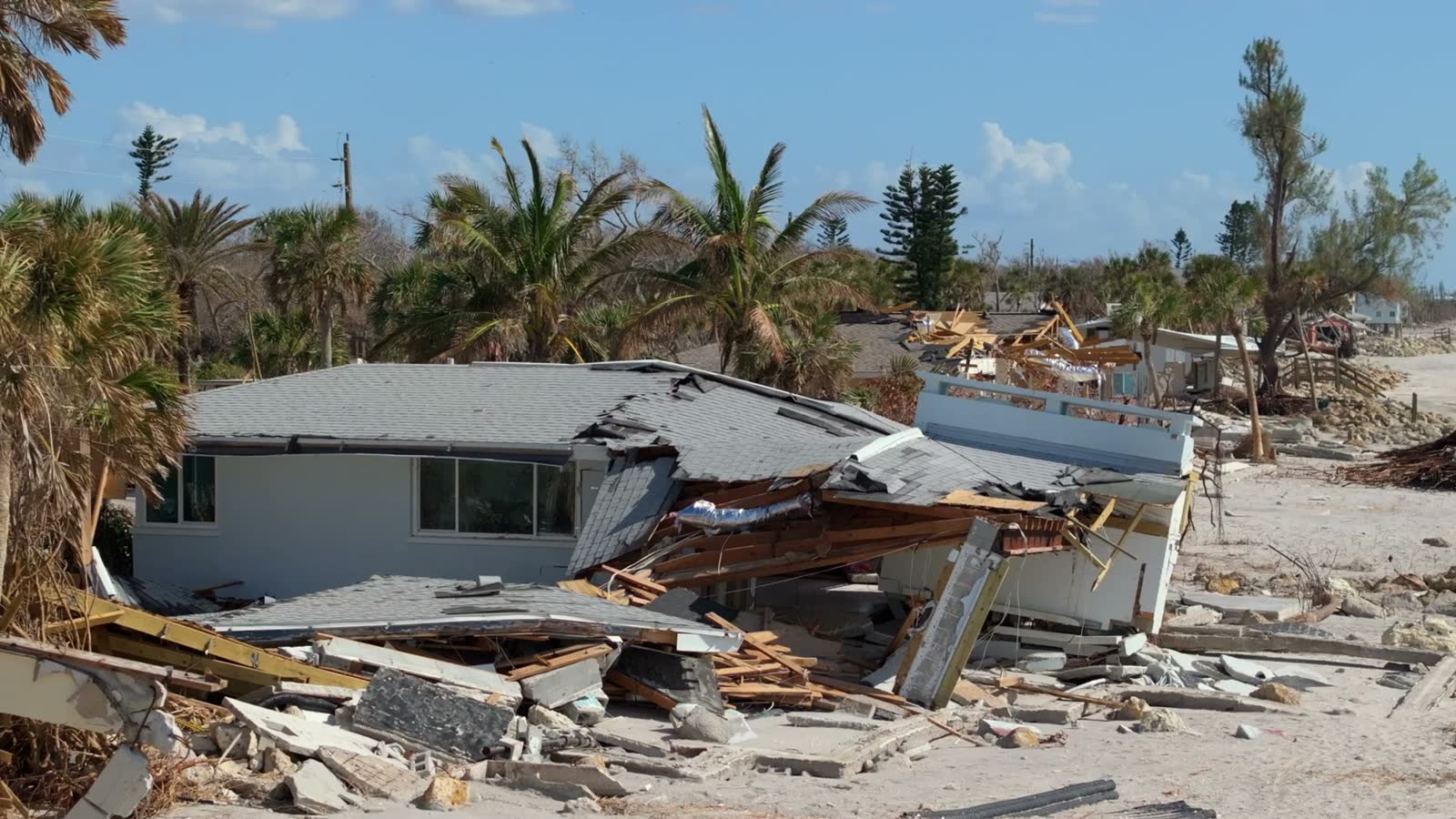
"It's sagging, not collapsed." The flagship denial, and under a modern form it is often literally correct, which is why the response is rarely to argue the word and usually to reframe the claim: the sagging is damage from a covered peril (wind opening, water intrusion), even if it is not collapse. The collapse definition limits one additional coverage; it does not erase the rest of the policy.
"The decay was visible." The carrier's engineer finds staining, prior patches, or "long-term moisture exposure" and declares the decay knowable. This is a fact fight about concealment and knowledge. Your photo history, inspection reports, and the physical location of the rot (inside a sealed wall cavity vs. an open crawlspace) decide it. It overlaps heavily with the wear-and-tear playbook.
"Earth movement / erosion." Ground gives way under a corner; the carrier cites the earth-movement exclusion. In Florida this is where the statutory sinkhole regime takes over, catastrophic ground cover collapse is mandatory coverage with its own four-part test, and it does not care what the collapse additional coverage says. That fight has its own guide. Coastal erosion, though, Nicole's signature, is excluded nearly everywhere, with no statutory rescue.
"Not abrupt." Deployed against slow-motion failures documented over weeks. The counter is precision about the failure event itself: framing that let go on a known date is abrupt even if the cause took a decade.
Nicole: condemned but not collapsed, the Daytona lesson
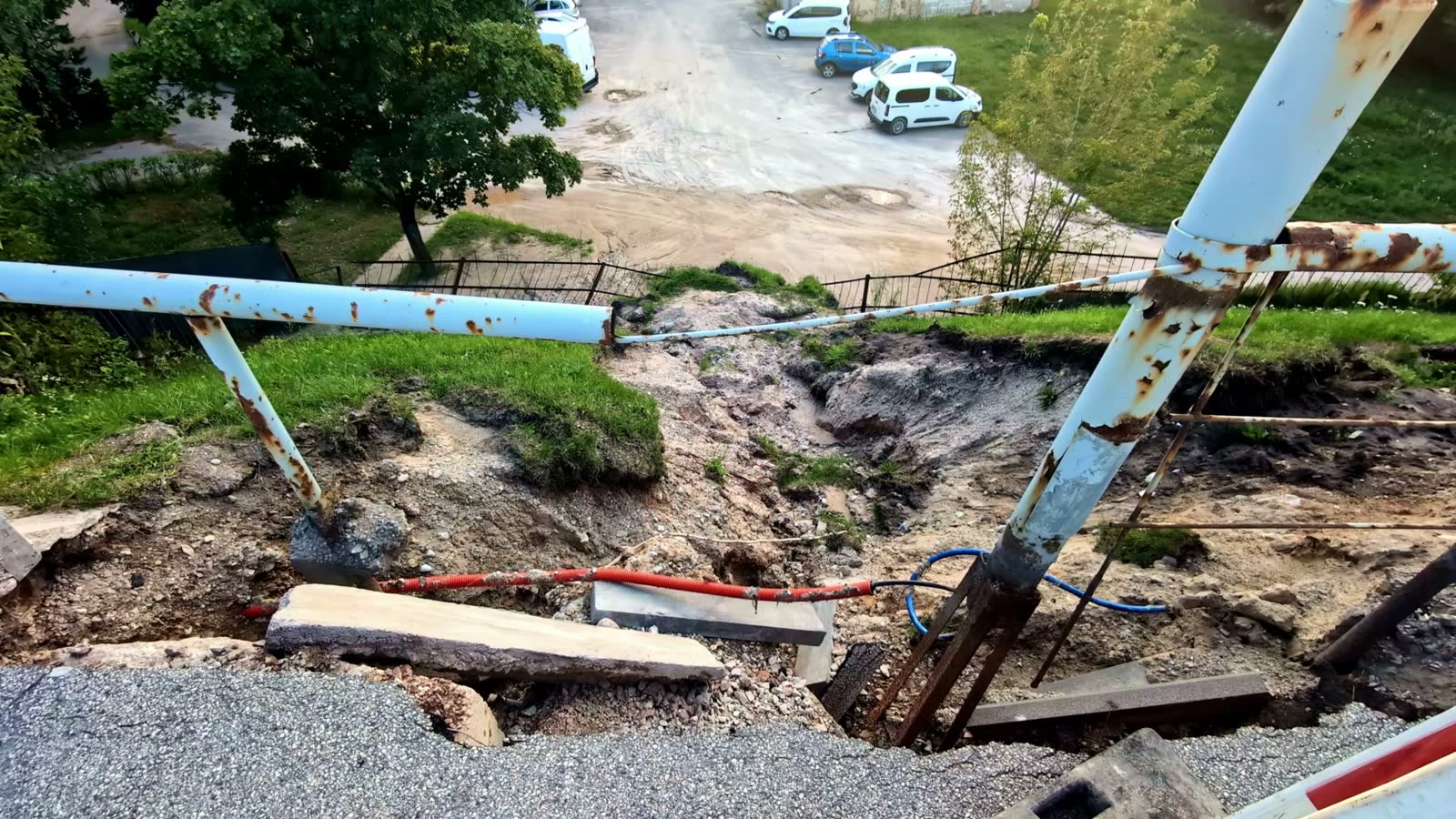
Hurricane Nicole, a minimal Category 1 at landfall in November 2022, produced the sharpest recent test of every idea on this page, 100 miles from where it came ashore. Days of pounding waves on beaches already stripped by Ian six weeks earlier undermined seawalls and foundations at Daytona Beach Shores and Wilbur-by-the-Sea. Building officials deemed roughly two dozen condo and hotel towers unsafe and ordered them evacuated; at Wilbur-by-the-Sea, 17 of 29 damaged single-family homes were declared unsafe and several fell onto the beach. Volusia County's damage assessment reached $522 million from a storm carriers had priced as minor.
The insurance aftermath mapped exactly onto the definitions above. Buildings that physically fell had collapse losses, but the cause was erosion and land movement, excluded perils outside the named-cause list. Buildings condemned while standing had no "abrupt falling down" at all: under the modern definition, an evacuation order is not a collapse, and several carriers took the position that a condemned-but-standing tower had suffered no direct physical loss. FLOIR's data call closed at 28,092 claims, $253 million in estimated losses, and about 42% of claims closed without payment, among the highest shares of any recent Florida storm.
What paid, where anything paid, was often ordinance-and-law coverage, the policy part that funds demolition and code-driven costs when officials condemn, plus wind claims for discrete storm damage. Nicole is the standing proof that "unsafe" and "collapsed" are different words, and that coastal owners should read their O&L limits and any seawall scheduling before the next November storm. Full storm dossier: Nicole 2022.
Condo owners: Surfside rewrote the stakes
The collapse of Champlain Towers South in Surfside on June 24, 2021-98 people killed when a 12-story wing fell without warning, sits behind every conversation about structural risk in Florida. The litigation resolved in a court-approved settlement of roughly $1.02 billion in June 2022, and the composition of that fund is the lesson: the largest contributions came from third parties (the security contractor paid $517.5 million; the builder of the neighboring tower, $157 million), because the association's own insurance was a small fraction of the loss. Property policies were never designed to carry a catastrophic structural failure.
The legislative response, SB 4-D (2022), created mandatory milestone structural inspections for condo and co-op buildings three stories or taller, at 30 years, or 25 years within three miles of the coast, then every 10 years, plus structural integrity reserve studies and mandatory reserve funding (Fla. Stat. § 553.899). For unit owners and associations, those engineering reports cut both ways: they are the early-warning system Surfside never had, and they are also discoverable documents that a carrier can later cite as knowledge of visible decay. How associations, unit-owner (HO-6) policies, and master policies divide a structural loss is its own discipline, see our commercial & condo association resources.
Building the engineering evidence
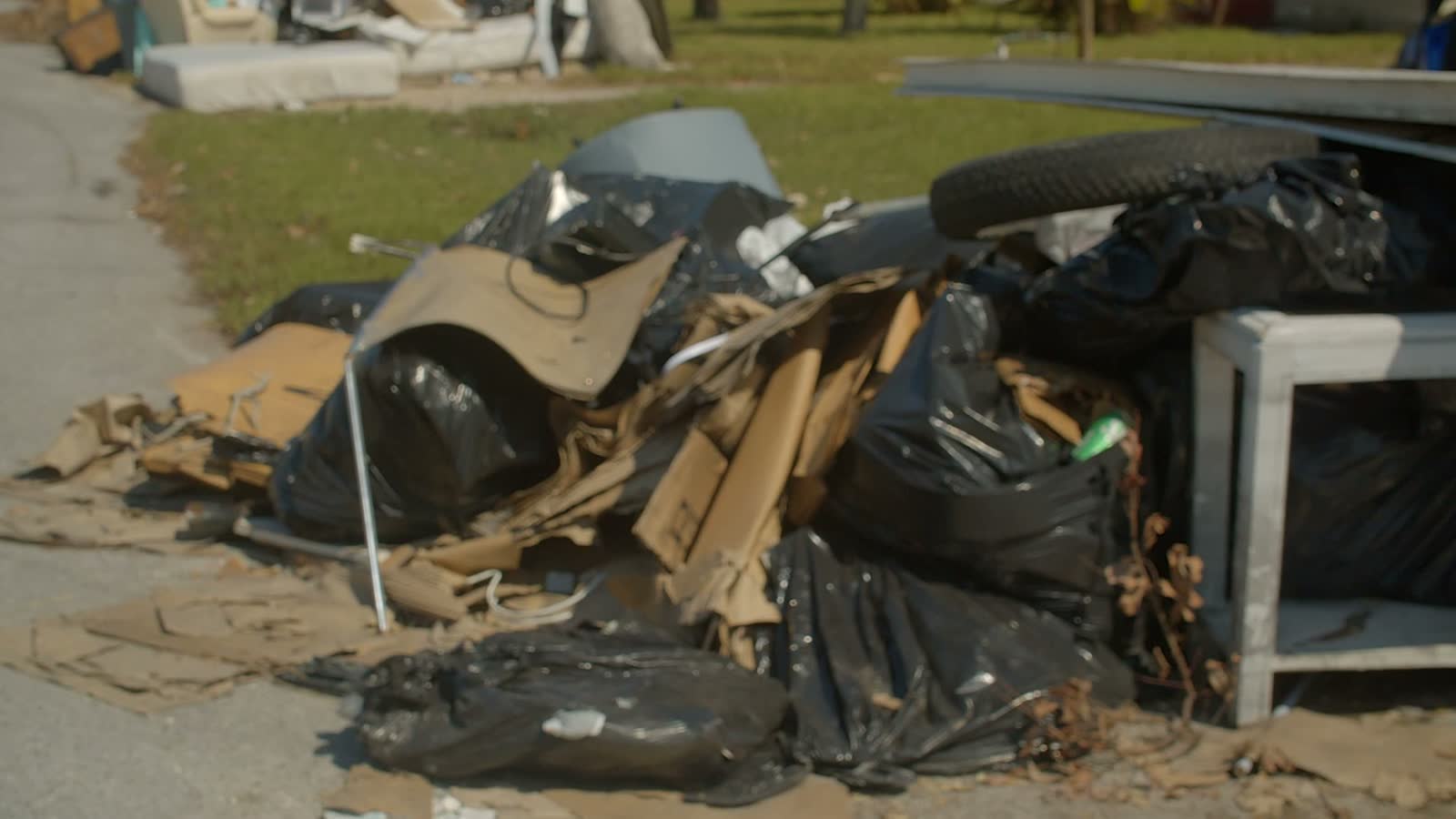
Collapse claims are engineering cases. The carrier will send an engineer whose report answers three questions, was the failure abrupt, what caused it, and was the cause visible, and you are entitled to your own answers to the same three. A qualified structural engineer reads fracture surfaces (fresh breaks vs. weathered ones date the failure), moisture mapping and decay patterns (concealed cavity vs. open framing decides "hidden"), and load paths (what let go first). Fresh, clean fracture faces on rotted members are the classic signature of gradual cause, abrupt failure, squarely inside the carve-back.
Document like it's a slab case: photograph everything before any shoring, demolition, or cleanup; keep every fallen member the engineer might need; pull your inspection history, repair invoices, and prior claim file to rebut the "you knew" argument; and get the engineer in before the carrier's tarps and emergency contractors rearrange the scene. Our photo documentation guide and claim photo protocol cover the sequence. If the structure is standing but compromised, an engineer's report establishing physical damage, not just danger, is what separates a payable claim from a Nicole-style "no direct physical loss" denial.
Florida vs. South Carolina
- Ground collapse: catastrophic ground cover collapse coverage is mandatory in every property policy (Fla. Stat. § 627.706); sinkhole-loss coverage optional. Separate regime from the policy's collapse coverage.
- Condo structural law: SB 4-D milestone inspections (25/30 years, § 553.899), structural integrity reserve studies, mandatory reserves.
- Claim deadlines: 1 year to notice a new claim, 18 months supplemental (§ 627.70132); carrier pay-or-deny in 60 days; 5-year contract suit period.
- Doctrine: concurrent-cause rule (Sebo) where covered and excluded causes combine and the policy lacks anti-concurrent-causation wording, often decisive when wind, water, and decay stack.
- Ground collapse: no Florida-style mandate, earth movement and erosion exclusions apply as written; sinkhole/collapse endorsements exist but are rarely purchased.
- Condo structural law: no statewide milestone-inspection statute as of this writing; association bylaws and lender requirements govern.
- Claim deadlines: "prompt" notice per policy; no fixed pay-or-deny statute (reasonableness standard); 3-year contract suit period.
- Doctrine: exclusions and ACC clauses generally enforced per policy language; improper-claims-practices law (S.C. Code § 38-59-20) is the conduct backstop.
Deadlines and statutes summarized as of July 2026, with exceptions, reopened and supplemental claims run on different clocks, and policy wording varies by form year. Verify against your policy and current statute.
Collapse coverage, the questions everyone asks
My ceiling is sagging badly. Is that a covered collapse?
Under most modern policy forms, not yet, and that is the trap. The standard definition requires an "abrupt falling down or caving in," and states that a building in danger of falling down is not in a state of collapse. But a sagging ceiling can still be covered another way: if it later falls abruptly from a hidden cause (like concealed decay), the collapse coverage applies; and the underlying cause, a roof leak from wind damage, for example, may itself be a covered peril. Get the cause diagnosed in writing before it fails.
What does "abrupt" actually mean?
The policy usually does not define it, so courts read it in ordinary terms: sudden, unexpected, happening without notice. Decay that develops over years is not abrupt, but the falling-down that decay finally produces can be. The distinction matters: gradual cause plus sudden failure is the exact scenario the hidden-decay additional coverage was written for.
The county condemned my building. Doesn’t that prove collapse?
No. Condemnation is a government safety judgment, not a policy trigger. Standard forms say a building standing, even one in danger of falling, is not collapsed. After Hurricane Nicole, roughly two dozen Daytona-area condo and hotel towers were condemned while still standing, and owners learned that "unsafe" and "collapsed" are different words in policy language. Ordinance-and-law coverage, not collapse coverage, is usually the part of the policy that responds to condemnation and code-driven costs.
What is hidden decay, and why does it matter so much?
The collapse additional coverage lists named causes, and the most-litigated one is "decay that is hidden from view" (and its sibling, hidden insect or vermin damage). If rotted framing you could not see finally lets part of the structure fall abruptly, that is covered, unless the insurer proves you knew of the decay before the collapse. Photographs, inspection history, and who-knew-what-when become the whole case.
Is collapse from erosion or ground movement covered?
Generally no under the collapse coverage itself, earth movement and erosion are excluded perils, and the collapse additional coverage only responds to its listed causes. In Florida, ground-related collapse runs through two separate statutory coverages instead: catastrophic ground cover collapse (mandatory in every property policy) and optional sinkhole-loss coverage. See our sinkhole guide, the definitions are completely different from the collapse coverage discussed here.
The adjuster blamed "long-term deterioration" and denied. Is that the end?
No. That denial often proves too much: deterioration hidden inside walls or framing is precisely what the hidden-decay coverage insures. The questions that matter are whether the failure was abrupt, whether the decay was visible or known beforehand, and what a qualified engineer, not the carrier’s field adjuster, concludes about the failure mechanism. Wear-and-tear language is the carrier’s framing, not a verdict.
- CASEMINE Beach v. Middlesex Mut. Assurance Co., 205 Conn. 246 (1987) ↗
- CONN. JUDICIAL BRANCH Karas v. Liberty Ins. Corp., 335 Conn. 62 (2020) (opinion PDF) ↗
- ROBINS KAPLAN What constitutes a collapse under a property insurance policy ↗
- NOAA / NHC NHC Tropical Cyclone Report, Hurricane Nicole (PDF) ↗
- FLOIR FLOIR Hurricane Nicole claims data ↗
- WKMG Daytona Beach Shores: 23 structures deemed unsafe after Nicole ↗
- TOP CLASS ACTIONS Champlain Towers South $1B class settlement ↗
- SLIPCASE How the $1bn Surfside settlement breaks down ↗
- FLA. SENATE Florida SB 4-D milestone inspection requirements (Fla. Stat. § 553.899) ↗
Not legal advice; consult an attorney about your specific claim. FLOIR claim statistics as reported in the agency's catastrophe data releases.
Collapse claims turn on cause and timing, not the crack you can see
Collapse coverage is narrow in both states. Most policies pay only when the loss is an abrupt falling-in caused by a listed peril: hidden decay, hidden insect or vermin damage, defective construction, the weight of rain or contents, or catastrophic ground cover collapse. A building that is cracked, bulging, sagging, or still standing usually fails the definition. The carrier's first move is to call the damage gradual, or blame long-term water damage or ordinary wear, because either label fits an exclusion and ends the claim.
Two facts decide it: what caused the collapse and when. Get a licensed structural engineer to identify the failure mechanism and tie it to a covered event, then rebut the carrier's engineer if it points to age. Photograph the scene before any debris is removed: failed beams, the roof, ceilings, floors, and any wind entry point, following a fixed photo protocol. Debris removal and code-upgrade costs are often separate coverages adjusters leave out of the first estimate. Meet every reporting deadline and keep the original estimate and every supplement. If the denial leans on a gradual or wear exclusion you dispute, use the free review below.
Told your sagging structure "isn't collapse"? Get the definition checked.
Upload the denial letter, your policy's collapse language, and any engineering report. You'll get a straight answer on whether the abrupt-collapse definition actually fits your facts, and which other coverages (hidden decay, ordinance & law, the underlying wind peril) may still respond.

 HURRICANELAW.PRO
 A comprehensive property-insurance claim resource for policyholders: denied and underpaid claims, coverage and bad-faith law, storm dossiers, carrier profiles, city guides, and the complete claims playbook. Florida and South Carolina.
▸ SEE THE FULL SITE MAP →Coverage summaries, policy-language quotations, dollar figures, deadlines, and chart examples throughout this site are general information based on typical or standard policy forms and are illustrative only: they are not a quote, a guarantee of coverage, or a promise of any outcome. Every insurance policy is different: your own policy, endorsements, and state law control, so read your policy and confirm current statutes. Weather imagery courtesy of NOAA, the National Hurricane Center, and the National Weather Service. Legal services are provided by Halversen Law. Nothing on this site is legal advice; consult an attorney about your specific claim.
Legal matters are handled by Halversen Law, a law firm licensed in Florida and South Carolina.