

IN SHORT: THE REPORT ISN’T FINAL
- •The carrier’s engineer report is a retained opinion on cause of loss, the exact question a denial turns on, written by an expert the insurer paid.
- •It is not final. You are entitled to your own engineer, and a rebuttal report is the single most effective document in appraisal or litigation.
- •Read the report for tells: how long the engineer was on site, which slopes were walked, whether it engages the actual damage pattern or discusses age in the abstract.
- •Request the full report and the complete claim file in writing (photos, notes, and the engineer’s file), not just the conclusion page.
- •A rebuttal engineer ties the physical pattern to the recorded wind field. Verify the PE license, and coordinate expert selection with counsel if suit is likely.
What the report is, and is not
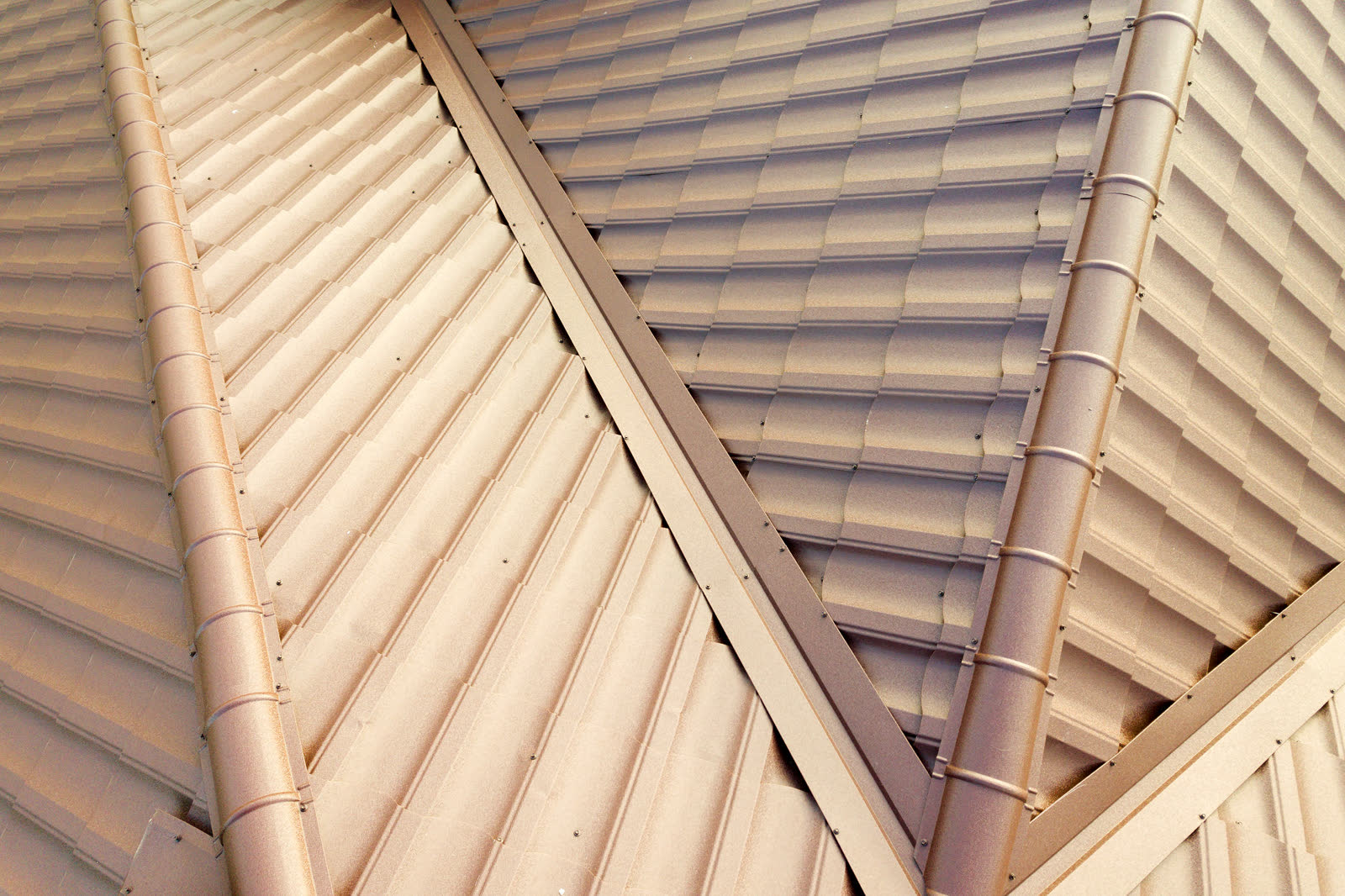
Once a claim is contested, the carrier retains an engineer, and the report that comes back often says a version of the same thing: no evidence of wind uplift; damage consistent with age, thermal cycling, and deterioration. Understand what that document is, an opinion from an expert retained and paid by the party that benefits from a denial, and what it is not: final.
A qualified engineer’s honest opinion still deserves engagement, not dismissal. But "the insurer’s engineer said so" is the beginning of the analysis, not the end of your claim. You are entitled to your own expert, and the rest of this guide is how to read theirs and build yours.
Anatomy of the report
Four parts carry the weight. Read them against your own photos and the recorded storm data.
The boilerplate tells
A thin report gives itself away. None of these proves the engineer is wrong, each is a line of rebuttal, and together they show a conclusion that outran its basis.
A short visit, or none at all
Minutes on site, or a records-only desk review, cannot support a confident cause opinion on a whole roof.
No engagement with the damage pattern
It discusses shingle age in the abstract but never addresses the directional creasing, tear lines, or collateral damage actually present.
Recycled phrasing
The same sentences, "consistent with age, thermal cycling, and deterioration", appearing verbatim across unrelated claims signal a template, not an inspection.
Ignores the storm data
It reaches "no wind damage" without reconciling the recorded wind speeds and rainfall at the address on the date of loss.
Conclusion outruns the basis
A firm exclusion opinion resting on a few photos and heavy limitations is a conclusion in search of support.
Request the full report and file
Carriers often share a summary or the conclusion, not the whole report. Ask, in writing, for everything. The weaknesses live in the pages they did not lead with.
- •The complete engineering report (all pages, appendices, and photographs), not the summary or conclusion alone.
- •The engineer’s field notes, measurements, and the assignment/scope letter from the carrier.
- •The full claim file: adjuster photos, notes, estimates, and internal correspondence about the inspection.
- •The engineer’s credentials and, in litigation, a list of prior reports or testimony where relevant.
A denial that recites a conclusion without producing the report, the photos, and the basis has not carried the carrier’s burden. In Florida and South Carolina, the insurer bears the burden of proving an exclusion. See wear and tear vs. wind for how that burden works, and a thin engineer report is often where that burden fails.
The rebuttal engineer

The answer to a retained opinion is an independent one. A licensed professional engineer inspects the roof, documents the directional creasing, tear lines, granule scatter, and collateral damage, and ties that pattern to the wind speeds and rainfall recorded at your address on the day of loss. Where the carrier’s report discussed age in the abstract, the rebuttal engages the actual roof.
Verify the engineer’s license before you rely on the report. The experts guide covers who does what and how to check credentials. If the numbers in dispute justify it, coordinate the expert with a public adjuster or a property-insurance attorney, especially where suit is likely. Expert selection and the rules of evidence are easier to get right up front than to fix later.
- •Florida: Board of Professional Engineers: fbpe.org
- •South Carolina: LLR Board of Professional Engineers & Surveyors: llr.sc.gov/eng
How both reports get used
The dueling reports rarely stay in a drawer. On the claim, your rebuttal supports a written demand to reopen or re-inspect. If the policy provides appraisal, each side’s engineering evidence informs the appraisers and any umpire. If the dispute becomes a lawsuit, the reports become expert evidence, and the engineers may be deposed and may testify.
At that stage admissibility matters. Florida applies the Daubert standard by statute (Fla. Stat. § 90.702), and courts screen expert opinions for qualified experts using reliable methods tied to the facts. A licensed engineer who walked the roof, measured the damage, and reconciled it against NOAA storm data is generally well positioned; a desk-review opinion with recycled phrasing is more exposed. Admissibility is a legal question for your case; this is general information, not advice.
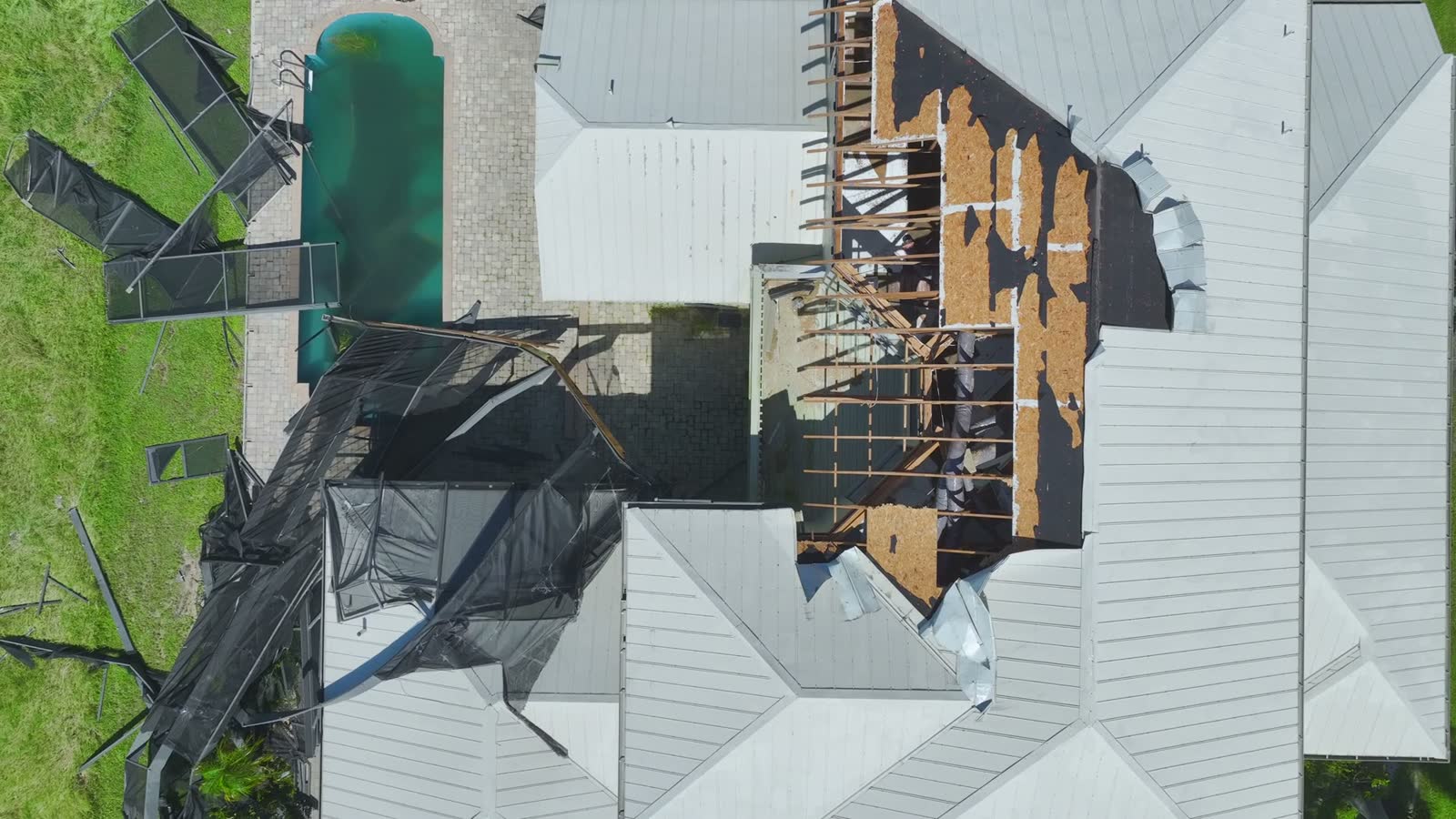
HurricaneLaw.pro does not vet, rank, or recommend individual engineers or firms. Any roster is a starting point for your own verification, listed by public credential, not vetted. Confirm any professional engineer against the state board above, and coordinate expert selection with counsel where litigation is likely.
Engineer reports, FAQ
The carrier’s engineer says there is no wind damage. Is that the end of my claim?
No. It is one retained expert’s opinion, and you are entitled to your own. An independent rebuttal inspection by a licensed engineer, tying the crease pattern, tear lines, and collateral damage to the recorded wind field, is the single most effective document in an internal appeal, appraisal, or litigation. Request the full report and claim file first, the weaknesses are often visible on the page.
How much does a rebuttal engineer report cost?
It scales with scope. A single-visit residential roof evaluation is at the lower end; a full litigation-grade forensic analysis with a detailed written opinion and deposition or trial testimony costs substantially more. Get the scope and fee in writing before you engage, and ask whether testimony is included if the claim may go to appraisal or suit. Fees vary by market.
What is a "desk review" and why does it matter?
A desk review is a records-only opinion, the engineer never inspected the property, working instead from adjuster photos and documents. It is far weaker than a report based on a walked, measured roof, and pointing out that the carrier’s conclusion rests on a desk review rather than a site visit is often a strong line of rebuttal.
How do I get the full report and claim file?
Ask in writing. Send the carrier a written request for the complete engineering report with all photos and appendices, the engineer’s field notes and scope letter, and the full claim file. In litigation these come through formal discovery, but many carriers will produce the report on a written request during the claim. Keep everything in writing.
Will a rebuttal report actually be admitted in court?
Expert testimony must meet the governing admissibility standard, Florida applies the Daubert standard by statute, and courts screen expert opinions for reliable methodology. A qualified, licensed engineer using accepted methods and tying conclusions to the evidence is generally well positioned, but admissibility is a legal question for your case. This is general information; coordinate expert selection with counsel where litigation is likely.
- Florida Board of Professional Engineers (FBPE) ↗, Verify a Florida PE license and any disciplinary history before relying on a report.
- South Carolina LLR, Board of Registration for Professional Engineers & Surveyors ↗, Verify a South Carolina PE license.
- NOAA National Hurricane Center, Tropical Cyclone Reports ↗, Authoritative post-storm wind and intensity data to reconcile against a "no wind damage" opinion.
- Fla. Stat. § 90.702, testimony by experts (Daubert) ↗, Florida’s statutory expert-admissibility standard for engineering and other expert opinions.
Not legal advice; consult an attorney about your specific claim. The report anatomy, rebuttal approach, and admissibility note are general; methodology, burden, and admissibility depend on your policy, facts, and jurisdiction, and the Daubert standard is applied case by case. Verify any engineer’s license through the state board, and confirm current law with counsel.
Denied on an engineer report that blames age?
Send the denial and the engineer report the carrier relied on. You'll get a straight read on whether an independent rebuttal can turn the cause-of-loss fight around.