
What are Florida's new property insurance rules?
Florida rewrote its claims code in 2022-23. SB 2-A ended one-way attorney fees for property suits and banned assignment of benefits on new policies. You now have one year to report a hurricane claim and 18 months for a supplemental claim, and your insurer must pay or deny within 60 days.
| Report a hurricane claim | 1 year (§ 627.70132) |
|---|---|
| Supplemental claim | 18 months |
| Acknowledge, then pay or deny | 7 days, then 60 days (§ 627.70131) |
| Hurricane deductible options | 2%, 5% and 10% of the dwelling limit (§ 627.701) |
| State insurer of last resort | Citizens |
FLORIDA IN FIVE LINES
- •Florida rewrote its claims code in 2022-23. SB 2-A ended one-way attorney fees for property suits and banned assignment of benefits on new policies.
- •You now have one year to report a hurricane claim and 18 months for a supplemental claim (§ 627.70132), down from two and three years.
- •The hurricane deductible is a percentage of your dwelling limit, not your loss: the law requires 2%, 5%, and 10% options (§ 627.701).
- •Your insurer must acknowledge the claim in 7 days and pay or deny it within 60 days (§ 627.70131).
- •Citizens is the state insurer of last resort; My Safe Florida Home pays $2 for every $1 you spend hardening the house, up to $10,000.
Why Florida is the hardest market in the country
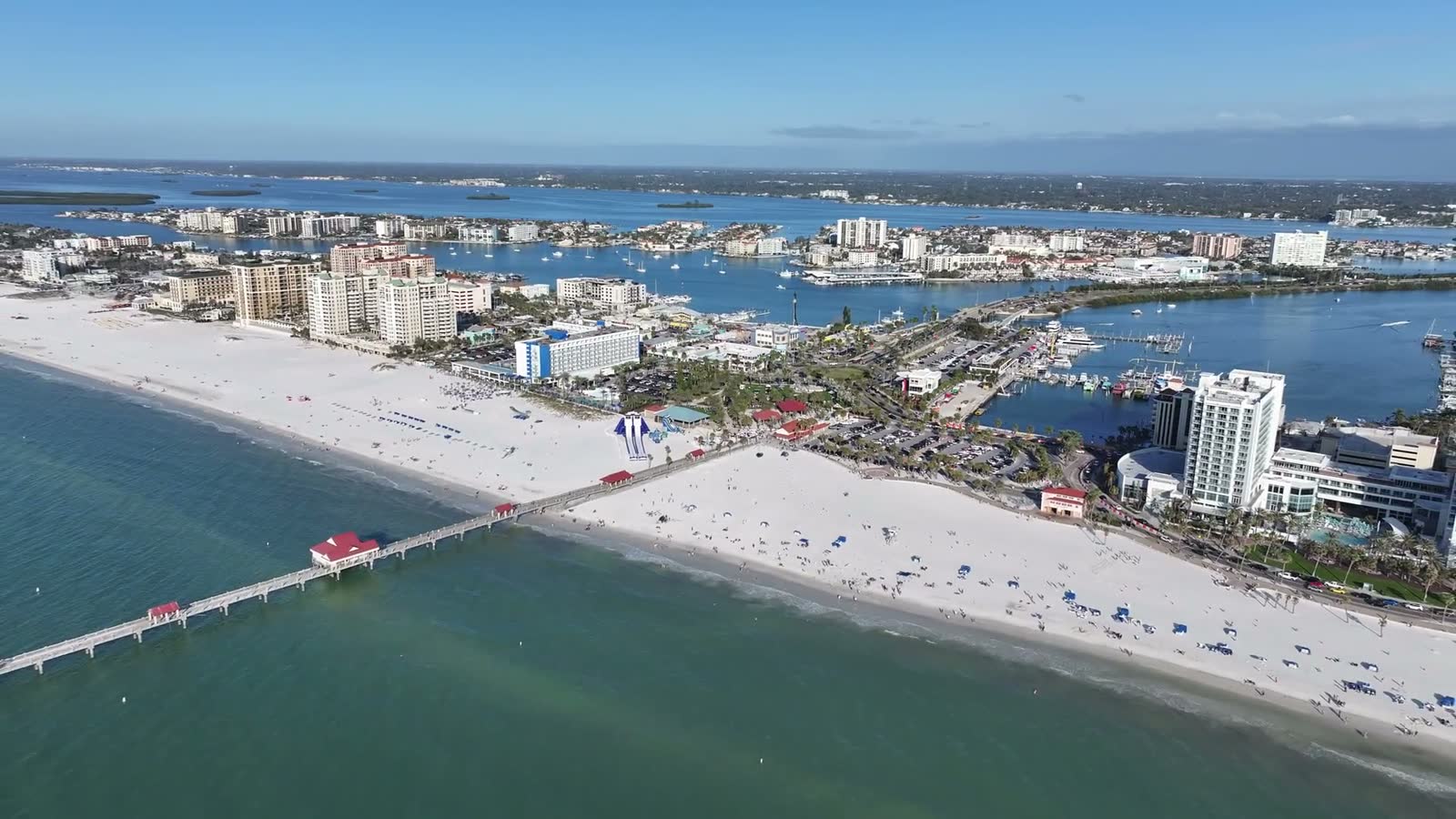
Florida is where the U.S. property-insurance system meets its stress test. It sits in the path of more landfalling hurricanes than any other state, its coastline is dense with high-value construction, and by 2022 its claims litigation had grown to a scale that pushed carriers out of the market or into insolvency. When private insurers retreat, homeowners fall back on Citizens Property Insurance Corporation, the state-created insurer of last resort (§ 627.351(6)), which by 2023 had swelled past a million policies before the state worked to shrink it back down.
That instability is the backdrop for everything else on this page. In two special sessions the Legislature rebuilt the claims code around a single goal (reduce litigation), and the result is a set of rules that are tougher on timing and far less forgiving on attorney fees than they were a few years ago. National name, Florida-domestic writer, or Citizens itself: these are the rules your claim, and any Florida insurance lawyer you bring in, runs through.
What did SB 2-A and SB 2-D change?
Two bills did most of the work. SB 2-D (May 2022) reworked roof coverage. It limited an insurer's ability to refuse a policy solely because of roof age when the roof has meaningful life left, and it opened the door to separate roof deductibles (§ 627.701(10)). A companion bill, SB 4-D, tightened building-safety rules after the Surfside collapse. SB 2-A (signed December 16, 2022) went further: it shortened claim deadlines, compressed the insurer's pay-or-deny window, ended one-way attorney fees for property suits, and eliminated assignment of benefits (AOB) on policies issued on or after January 1, 2023.
The old rule vs. the rule you're under now
Every row is a lever the 2022 reform moved. If your loss is recent, the right column is the one that governs your claim.
2 years from date of loss
3 years
90 days
Recoverable (§ 627.428)
Allowed
1 year (§ 627.70132)
18 months (§ 627.70132)
60 days (§ 627.70131)
Ended for property suits
Barred on policies issued on or after 1/1/2023
FLA. STAT. §§ 627.70131, 627.70132, 627.428 · SB 2-A (2022A) ENROLLED TEXT
The practical takeaway: the calendar is shorter and the leverage is different. You cannot count on recovering your attorney's fees from the carrier the way policyholders once could, which makes documenting the claim correctly (from the first inspection) more important, not less.
The hurricane deductible: a percentage of the house
The most misunderstood number in a Florida claim. Your hurricane deductible is not a percentage of your damage. It is a percentage of your Coverage A dwelling limit, the full insured value of the house. Florida law (§ 627.701) requires carriers to offer deductible options of $500, 2%, 5%, and 10% of that limit, shown in bold on the policy face. To see the scale (using a $400,000 home purely as an illustration), 2% is $8,000 and 10% is $40,000, the difference between a claim that pays and one that closes below deductible. Your own figures depend on your dwelling limit and the option you chose; read your policy.
Two rules soften the edge. The deductible applies only during the hurricane window, from a hurricane warning anywhere in Florida until 72 hours after the last watch or warning ends (§ 627.4025), and only once per calendar year (§ 627.701(5)(a)). If a second hurricane hits the same year, you get credit for what you already absorbed. Run your own numbers in the wind & hurricane guide, which walks the deductible math against a real roof claim.
Your claim deadlines, in order
Florida law runs two clocks at once: one on you, one on the carrier. Missing yours can bar the claim outright; the carrier's deadlines create interest and evidence of bad faith when they blow through them.
The timeline that governs a hurricane claim
FLA. STAT. §§ 627.70131, 627.70132 (POST-SB 2-A) · VERIFY YOUR POLICY DATE
These windows apply to losses governed by the current statute; the exact dates that control your claim depend on your policy's issue date and the date of loss. When in doubt, treat the one-year notice deadline as fixed and report early. The Florida and South Carolina deadlines side by side are in how long to file a hurricane insurance claim.
Matching: § 626.9744
When a covered loss damages part of a roof, a run of siding, or a room of tile, the carrier often wants to replace only the damaged pieces, leaving a patch of bright new material against a weathered field. Florida's matching statute constrains that.
MATCHING / ADJOINING AREAS (FLA. STAT. § 626.9744(2))"When a loss requires replacement of items and the replaced items do not match in quality, color, or size, the insurer shall make reasonable repairs or replacement of items in adjoining areas."
The operative phrase is "items in adjoining areas." In setting the extent of those repairs, the statute lets the insurer weigh the cost of replacing undamaged portions, the degree of uniformity that can be achieved, and the remaining useful life of the undamaged material. It does not guarantee a flawless match across your entire property, but a two-toned slope of new shingles against a weathered field is precisely the outcome it targets. Matching disputes are one of the most common ways a "paid" claim is still underpaid. The full argument is in the matching law guide.
Sinkhole coverage: two very different things
Florida law splits ground movement into two coverages, and the gap between them is where most sinkhole claims are won or lost. Every homeowners policy in the state must include catastrophic ground cover collapse, but that term has four strict statutory criteria (abrupt collapse, a visible depression, structural damage to the building, and the home condemned and ordered vacated by the government agency authorized to issue that order). Ordinary sinkhole cracking usually fails at least one of them.
Abrupt collapse of ground cover, a depression clearly visible, structural damage to the building, and the structure condemned and ordered vacated by a government agency (§ 627.706).
Included in the base homeowners policy by statute; you do not buy it separately.
Covers sinkhole-activity damage that does not meet all four collapse criteria, the common cracking case.
Must be offered for additional premium (§ 627.706); if you declined it, only collapse is covered. Report within 2 years of when you knew or should have known of the loss (§ 627.706(5)).
If a carrier tells you a foundation crack "isn't a sinkhole," the real question is which coverage you bought and which definition the damage meets, not whether the ground moved.
Complaints, mediation, and My Safe Florida Home
Florida gives policyholders three state tools that cost nothing to use. Two are for when a claim goes wrong; one is for hardening the house before the storm.
- File a complaint. The Department of Financial Services, Division of Consumer Services, takes insurance complaints at myfloridacfo.com ↗ and by phone at the Insurance Consumer Helpline, 1-877-693-5236. DFS opens a file with your carrier and tracks the response.
- DFS mediation (§ 627.7015). For most residential property disputes, the state runs a free, non-binding mediation program: a neutral mediator brings you and the carrier together before anyone files suit. You can request it once the claim is disputed.
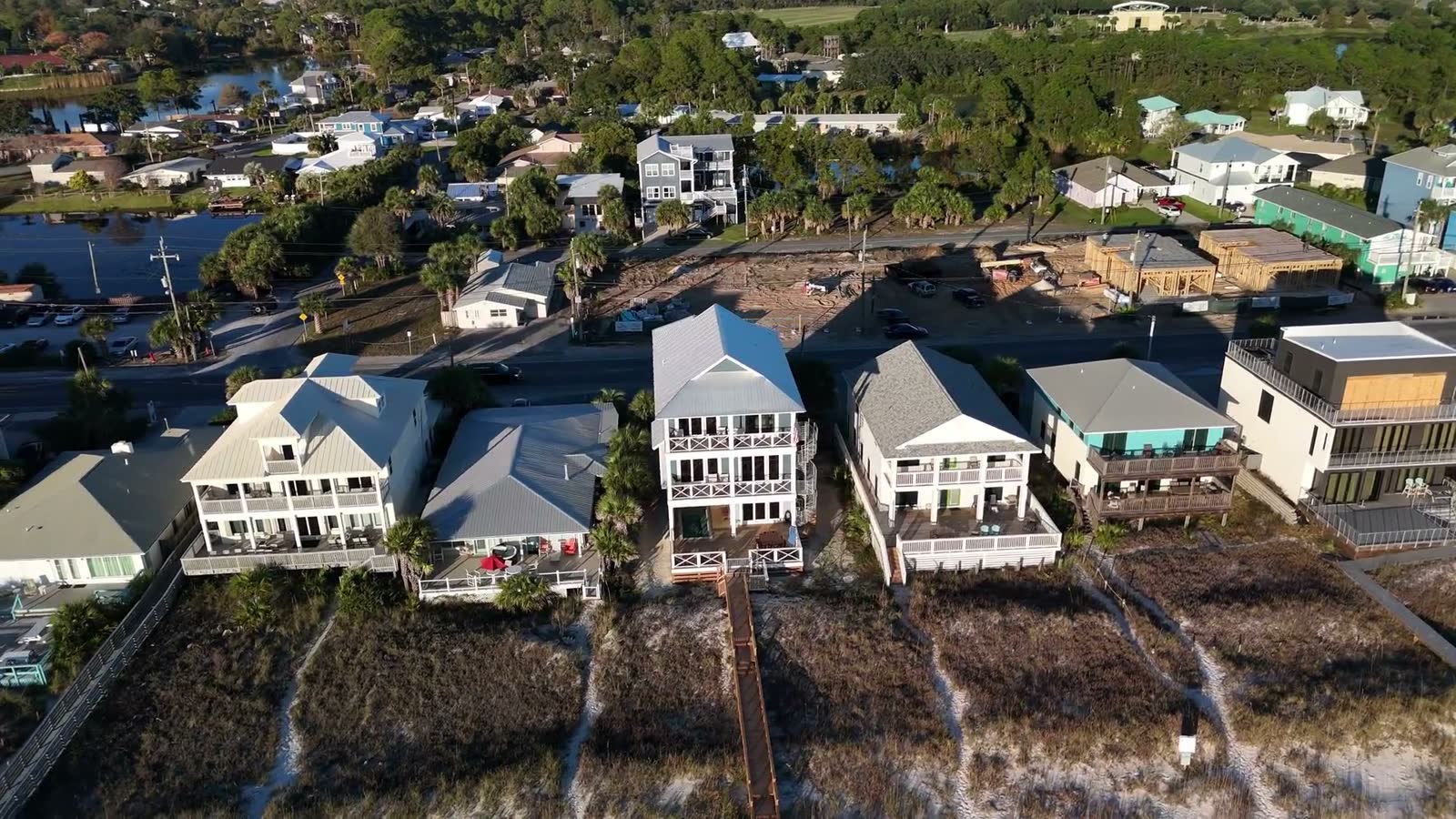
- My Safe Florida Home. The state program offers free wind-mitigation inspections and matching grants: $2 for every $1 you spend on qualifying upgrades (impact windows, roof-to-wall connectors, opening protection), up to $10,000. Details at mysafeflhome.com ↗.
The storms that made Florida's claim law
Every rule on this page traces back to a storm. The Florida storm archive documents each one: track, wind, surge, and the part the weather sites skip, what happened to the insurance claims afterward.
Costliest storm in Florida history, the case study for the whole reform era.
Open the dossier →Cat 5 landfall at Mexico Beach; the Panhandle wind-claim benchmark.
Open the dossier →Struck the same counties Helene had 13 days earlier, the calendar-year deductible test.
Open the dossier →A statewide event; hundreds of thousands of claims across every peninsula county.
Open the dossier →Florida vs. South Carolina at a glance
- Notice deadline: 1 year; 18 months supplemental (§ 627.70132).
- Insurer clock: 60-day pay-or-deny (§ 627.70131).
- Attorney fees: one-way fees ended for property suits (SB 2-A).
- Deductible: statutory hurricane deductible, 2-10% of Coverage A (§ 627.701).
- Coast backstop: Citizens Property Insurance Corp.
- Suit deadline: 3 years (§ 15-3-530).
- Insurer clock: no fixed pay-or-deny statute; reasonableness standard.
- Attorney fees: recoverable in bad faith, up to ⅓ of judgment (§ 38-59-40).
- Deductible: named-storm deductibles by contract, not statute.
- Coast backstop: SC Wind & Hail Underwriting Association.
The full South Carolina rulebook is in the South Carolina state center.
Florida claim law: the questions everyone asks
How long do I have to file a hurricane claim in Florida?
Since SB 2-A, you have one year from the date of loss to give your insurer notice of a new or reopened claim, and 18 months for a supplemental claim (Fla. Stat. § 627.70132). Those windows were shortened from two years and three years for losses under the current statute. The date of loss for a hurricane is the date the hurricane made landfall (§ 627.70132(3)), not the day you discovered the damage, so report early, even if you are still assessing the full extent.
What is the hurricane deductible and how is it calculated?
A hurricane deductible is a separate deductible that applies only to hurricane losses and is calculated as a percentage of your Coverage A dwelling limit, not a percentage of the damage. Florida law (§ 627.701) requires carriers to offer options of $500, 2%, 5%, and 10% of the dwelling limit, disclosed in bold on the policy. As an illustration only, on a $400,000 home 2% would be $8,000 and 10% would be $40,000. Your actual figures depend on your dwelling limit and chosen option. Only one hurricane deductible applies per calendar year (§ 627.701(5)(a)).
Did Florida really eliminate attorney fees for insurance lawsuits?
For property-insurance suits, largely yes. SB 2-A (December 2022) amended the one-way attorney-fee statutes (§ 627.428 and § 626.9373) that had let a policyholder recover fees from the carrier after winning, so they no longer apply to property-insurance suits; HB 837 (2023) then repealed § 627.428. That changed the economics of a disputed claim significantly. Statutory bad-faith remedies and the DFS complaint and mediation processes remain. The change does not affect the carrier’s underlying duty to pay a covered loss.
How fast does my insurance company have to pay or deny my claim?
Under § 627.70131 as amended, your insurer must acknowledge the claim within 7 calendar days, begin an investigation, and pay or deny the claim (in whole or in part) within 60 days after you give notice, unless factors beyond the insurer’s control prevent it. Interest accrues on amounts paid late. A missed deadline does not automatically mean bad faith, but it is evidence of it.
The carrier says my roof damage is a sinkhole issue, not covered. Is that right?
Florida splits ground movement into two coverages. Every homeowners policy must cover "catastrophic ground cover collapse," which has four strict statutory criteria (§ 627.706). Broader "sinkhole loss" coverage, for structural damage from sinkhole activity that does not meet all four, is optional and available by endorsement for extra premium. If you did not buy the endorsement, only catastrophic ground cover collapse is covered. A sinkhole claim generally must be reported within two years of when you knew or reasonably should have known about the sinkhole loss (§ 627.706(5)).
My insurer replaced part of my roof and left it two-toned. Do they owe matching?
Florida’s matching statute (§ 626.9744) requires that when a covered loss forces replacement of items that do not match in quality, color, or size, the insurer must make reasonable repairs or replacement of items in adjoining areas, weighing cost, the degree of uniformity that can be achieved, and the remaining useful life of the undamaged material. It is not a promise of a perfect match, but a mismatched patch of new shingles adjoining a weathered roof is the situation the statute is meant to address.
How do I file a complaint against my insurance company in Florida?
Contact the Florida Department of Financial Services, Division of Consumer Services, at myfloridacfo.com or the Insurance Consumer Helpline at 1-877-693-5236. DFS can open a complaint file with your carrier and, for many residential property disputes, offers a state-run mediation program under § 627.7015 where a neutral mediator helps resolve the claim before litigation. The service is free to policyholders.
- FL LEGISLATURE Fla. Stat. § 627.701: deductibles; hurricane deductible options and calendar-year application ↗
- FL LEGISLATURE Fla. Stat. § 627.70131: insurer duties; 60-day pay-or-deny timeframe ↗
- FL LEGISLATURE Fla. Stat. § 627.70132: notice of claim (1-year / 18-month windows) ↗
- FL LEGISLATURE Fla. Stat. § 626.9744: replacement; matching / adjoining areas ↗
- FL LEGISLATURE Fla. Stat. § 627.706: sinkhole insurance; catastrophic ground cover collapse ↗
- FL LEGISLATURE Fla. Stat. § 627.7015: alternative procedure for resolution of disputed claims (DFS mediation) ↗
- FL SENATE Senate Bill 2-A (2022A): property insurance reform, enrolled text ↗
- FL DFS Florida DFS, Division of Consumer Services (complaints & mediation) ↗
- MSFH My Safe Florida Home: free inspections & matching grants ↗
- CITIZENS Citizens Property Insurance Corporation ↗
Not legal advice; consult an attorney about your specific claim.
Claim help by city
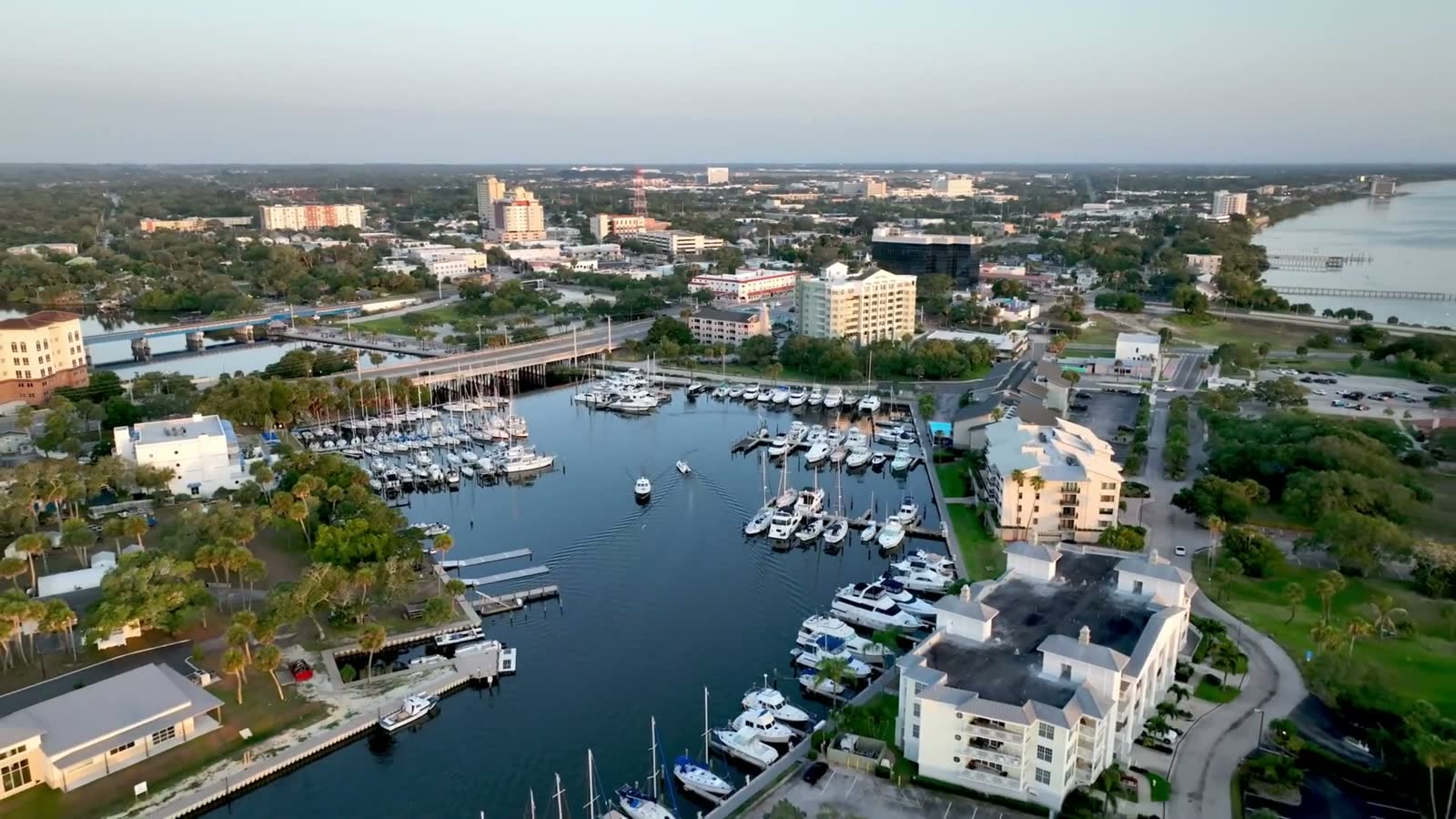
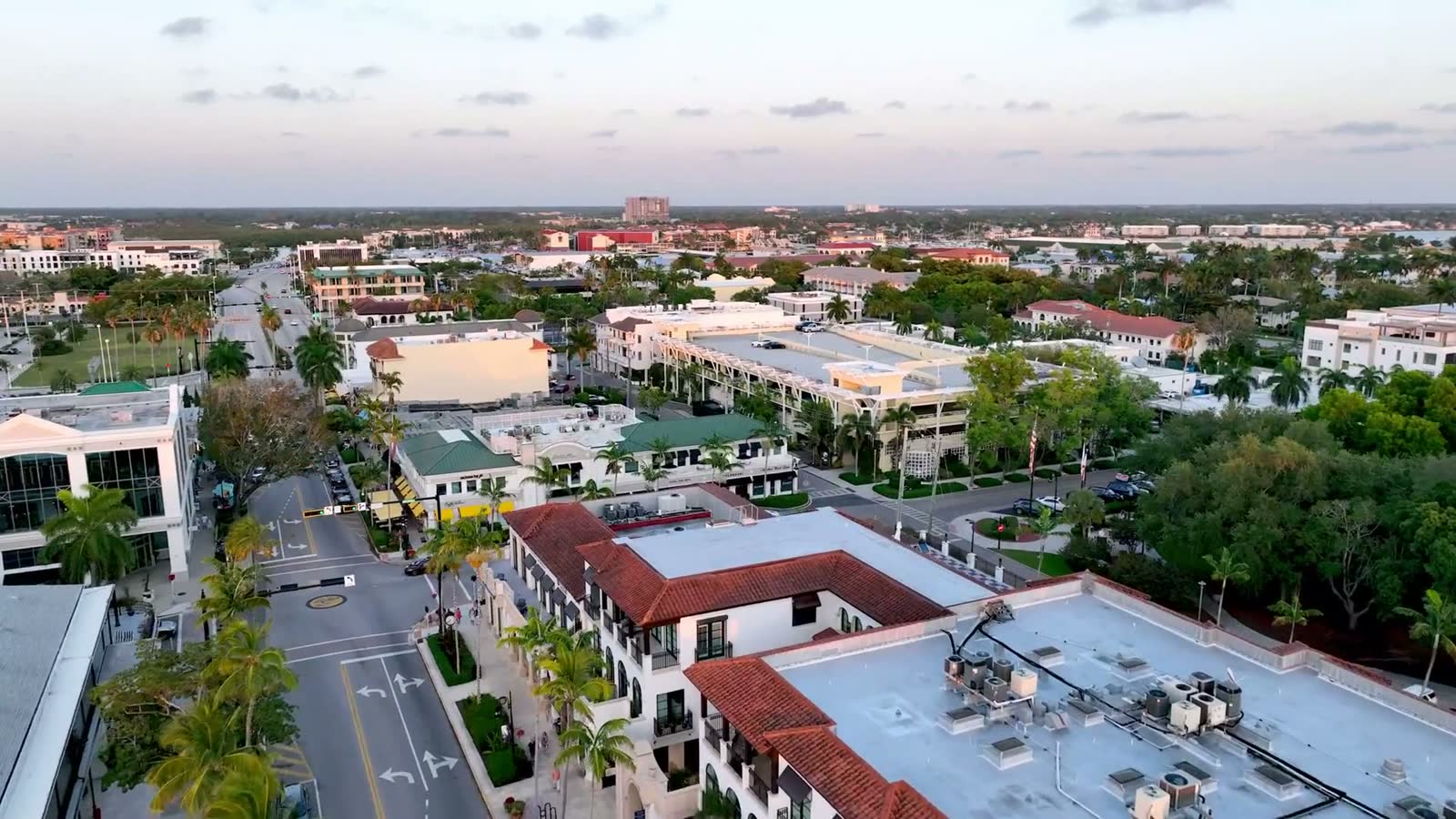
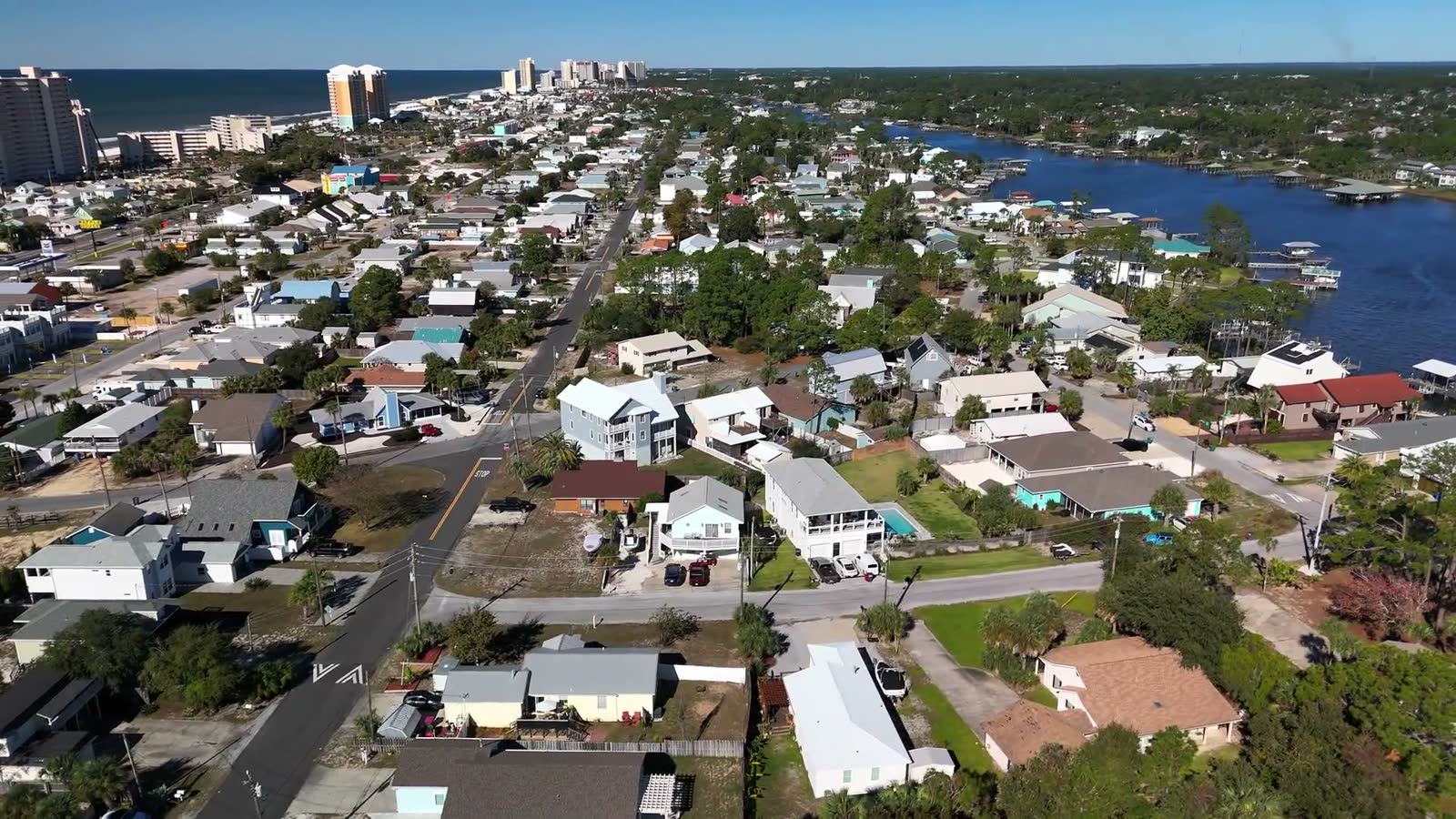
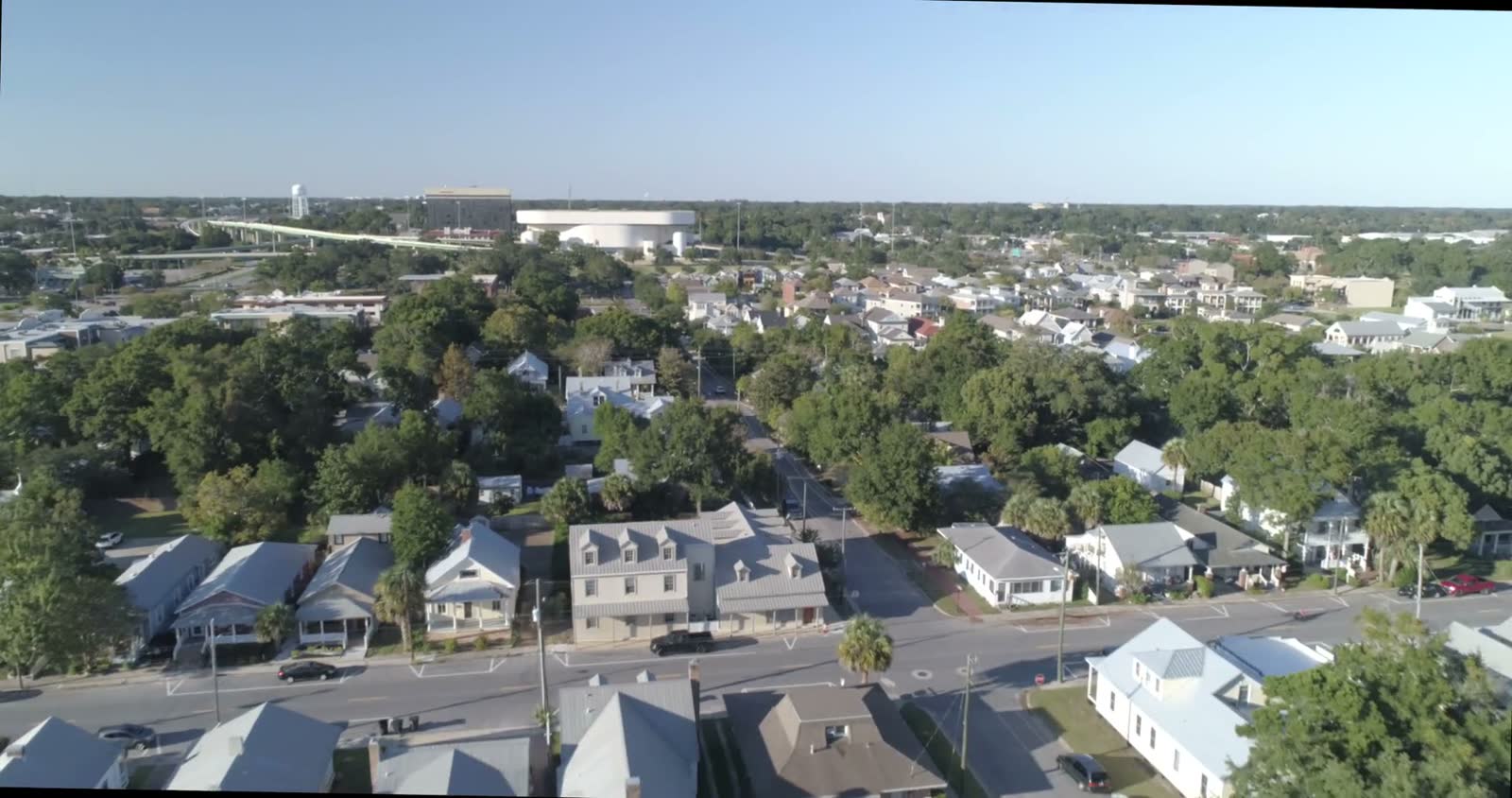
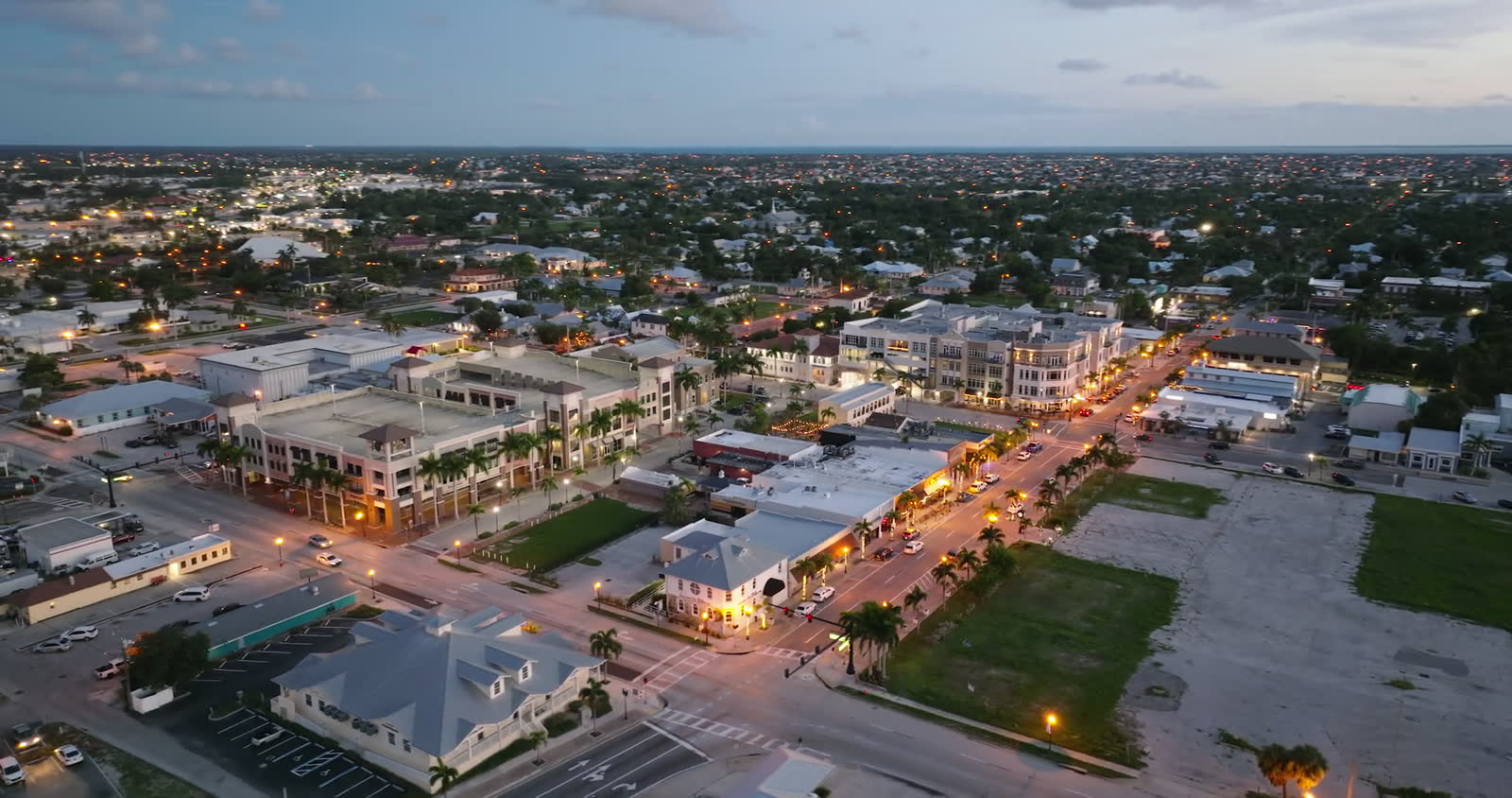
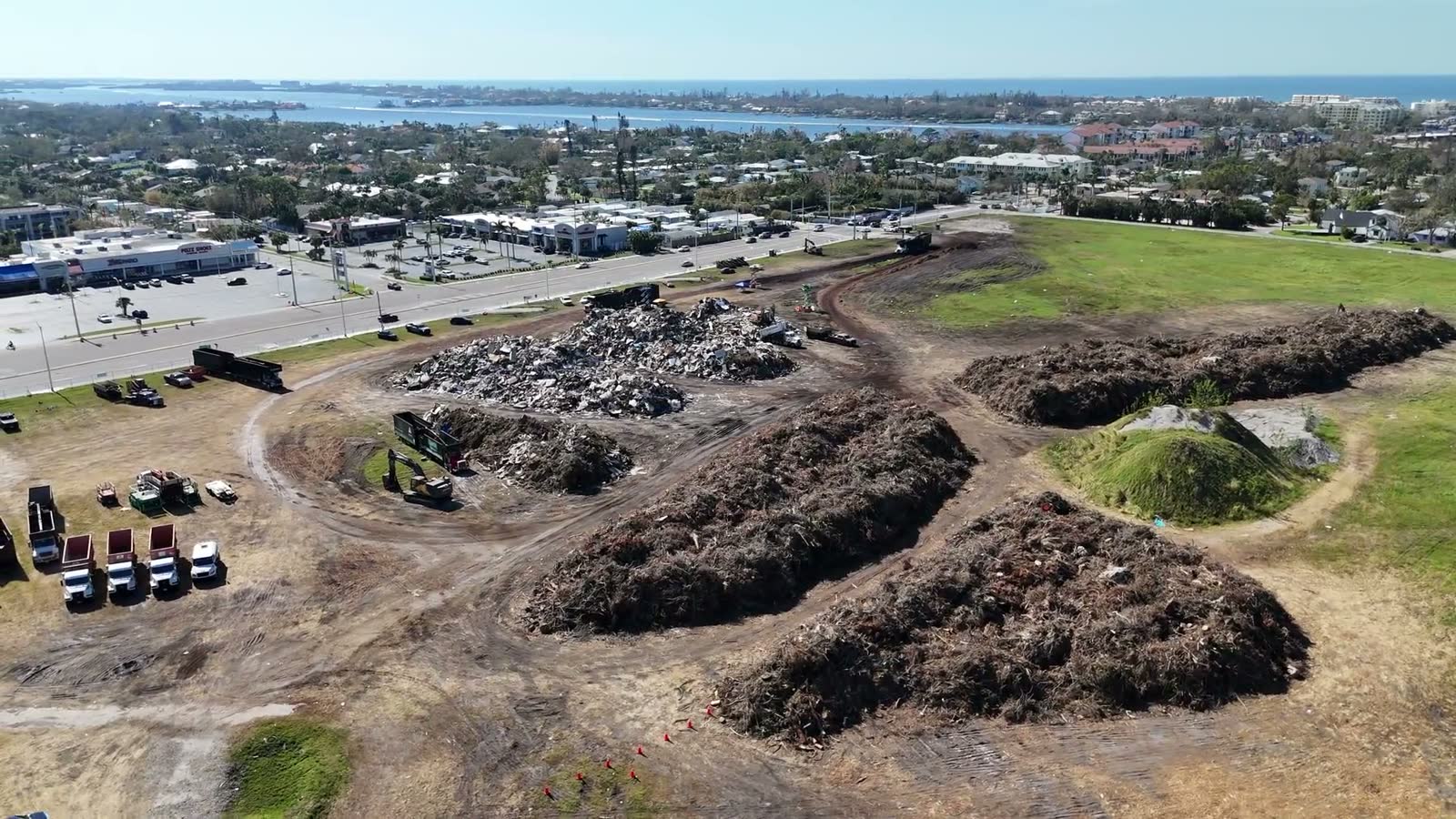
Local deadlines, wind zones, flood maps, and the storms that hit each place. Pick your city.





Florida shortened the clock and stripped the fee rules
Florida rewrote its property-insurance code in 12 months. SB 2-A (December 2022) cut the new-claim notice window to one year from date of loss and supplemental claims to 18 months (§ 627.70132), and ended one-way attorney fees in property suits (§ 627.428, § 626.9373). The hurricane deductible is a percentage of your dwelling limit, not your loss (§ 627.701). The carrier owes a 7-day acknowledgment and a 60-day pay-or-deny decision (§ 627.70131). Miss the one-year notice deadline and the claim is gone regardless of merit, so report early. If the carrier denied or underpaid, the bad-faith remedy under § 624.155 survives the reforms. The presuit notice and the deadline to sue are in suing your insurance company over a hurricane claim.
The peril decides the fight. Wind and hurricane damage, flood, and sinkhole losses route through separate statutes and deductibles, and carriers often reclassify a loss to the exclusion that pays less. South Carolina still runs a three-year clock and a live attorney-fee shift. The free case review below reads your denial letter, estimate, or declarations page and tells you which deadline is running and whether the deductible math and the carrier's decision hold up.
A Florida claim denied, underpaid, or running out of time?
Upload your denial letter, estimate, or declarations page. You'll get a straight read on the deadline you're facing and whether the deductible math and the carrier's decision actually hold up under Florida law.