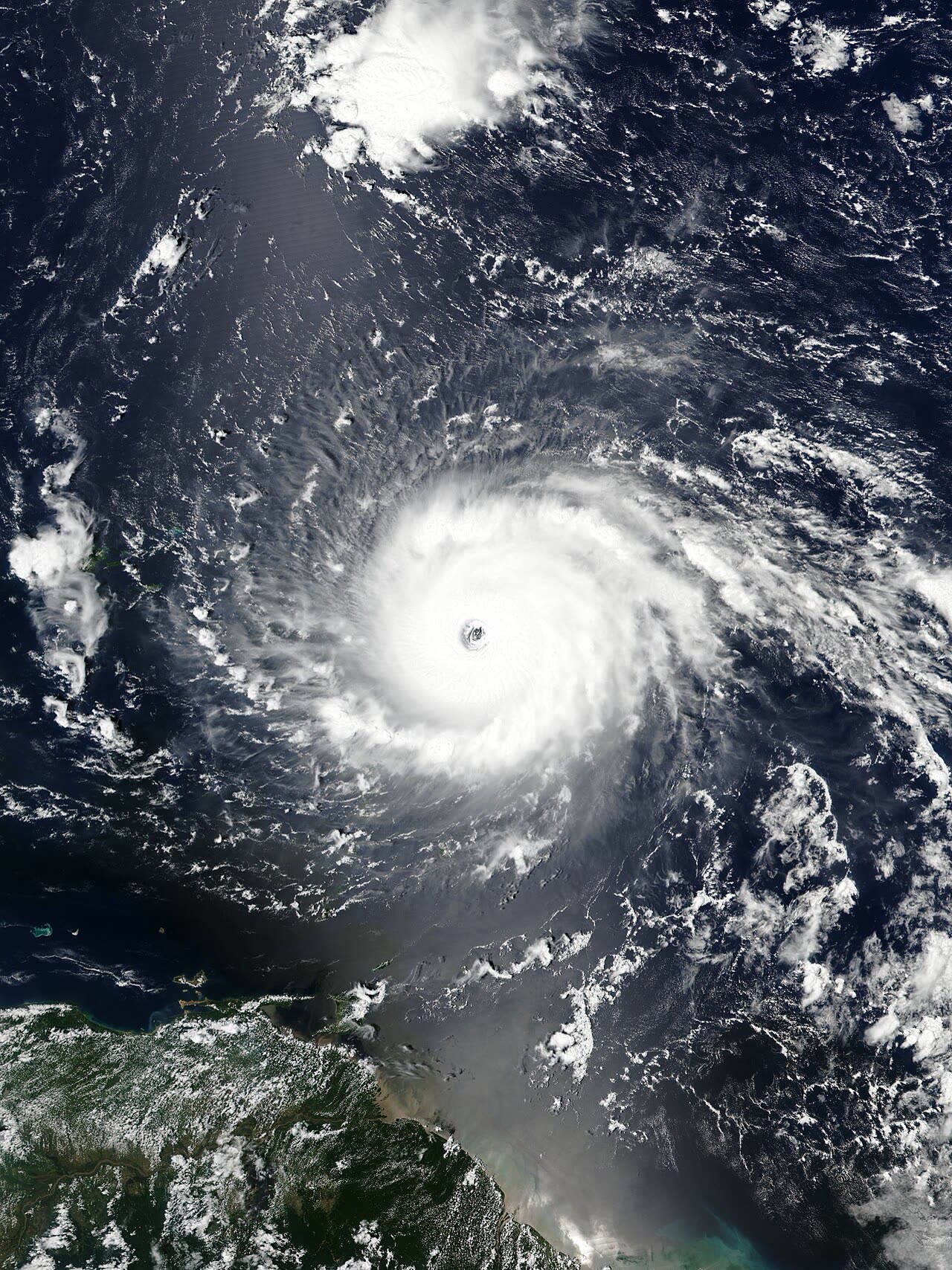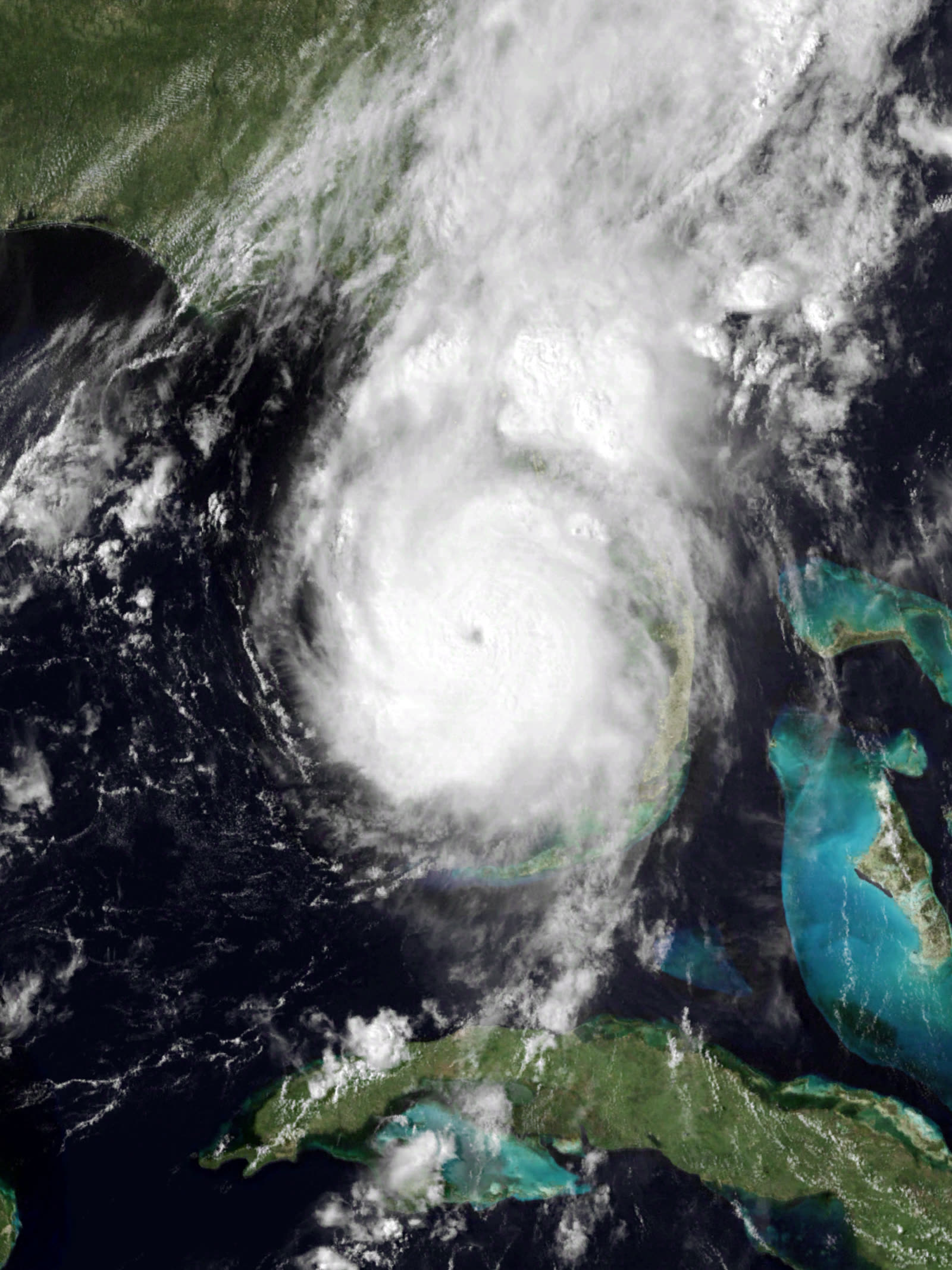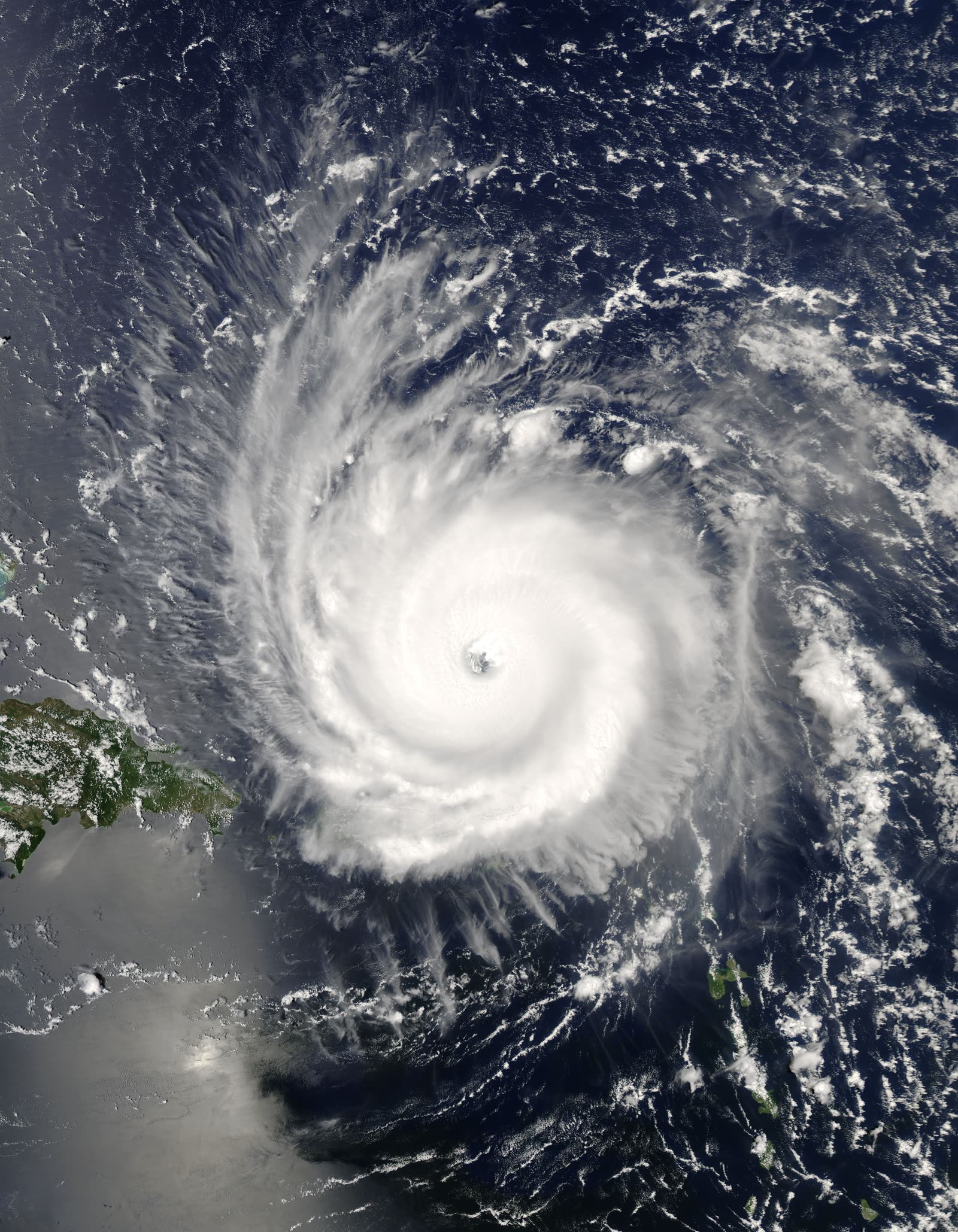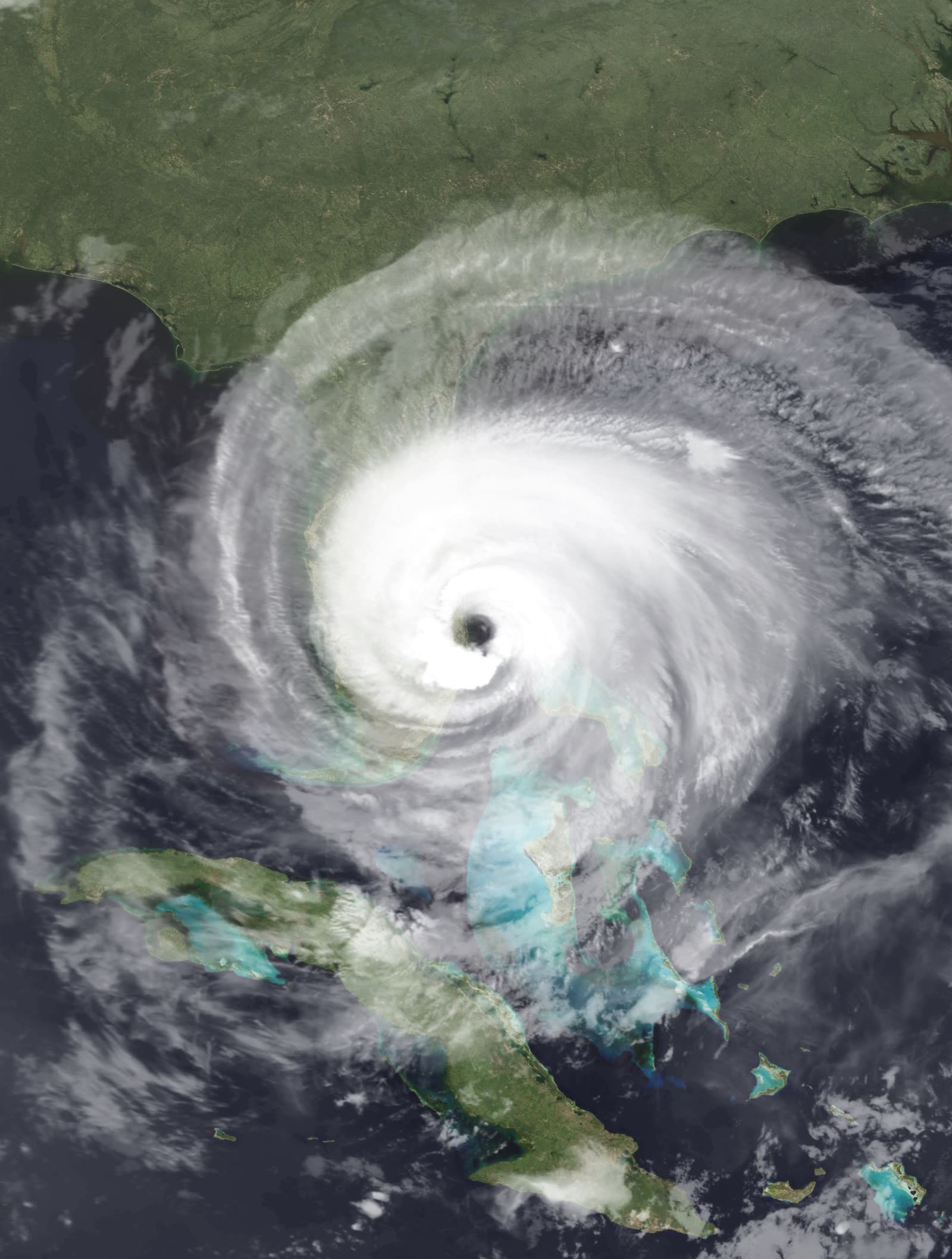
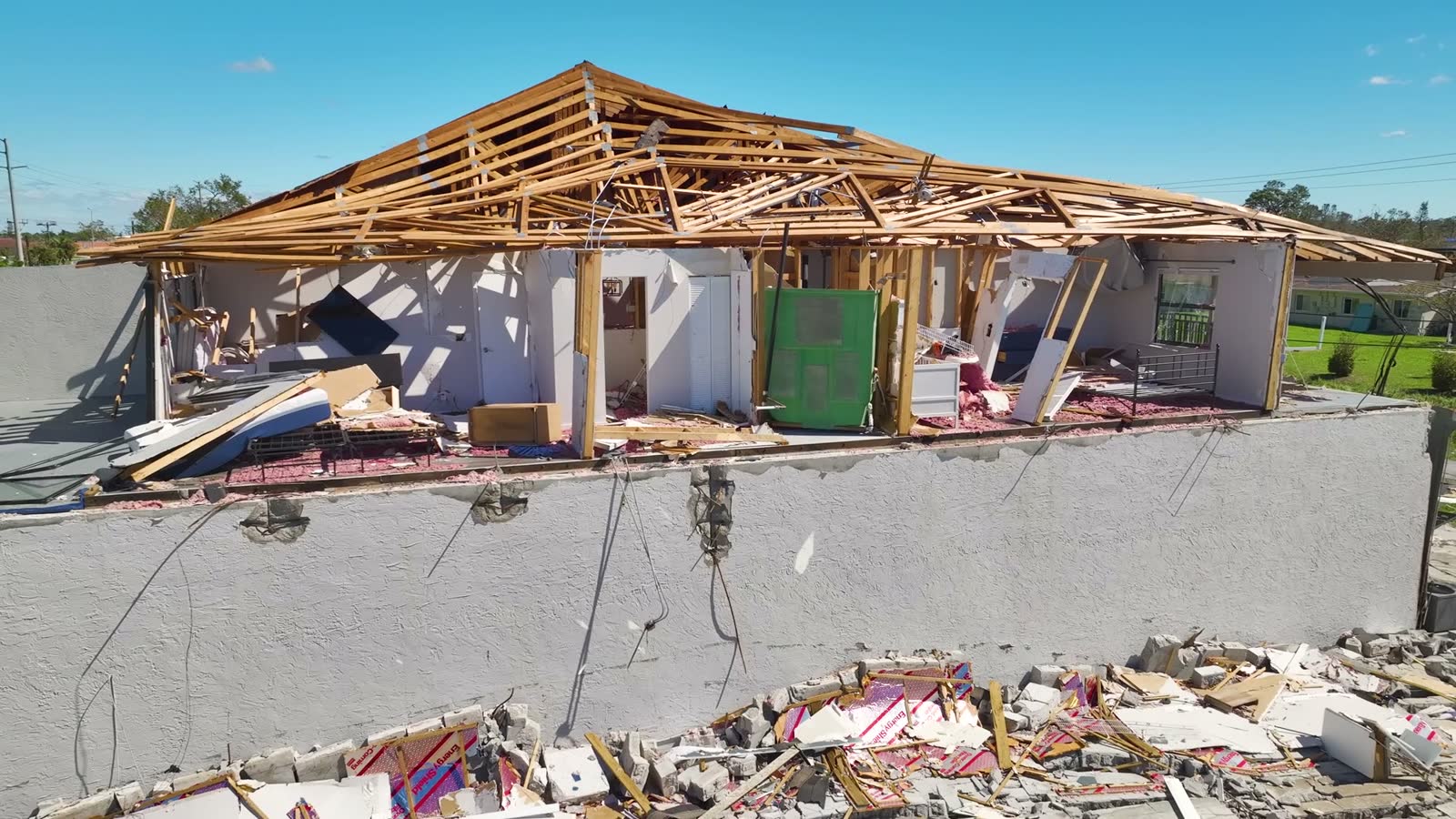
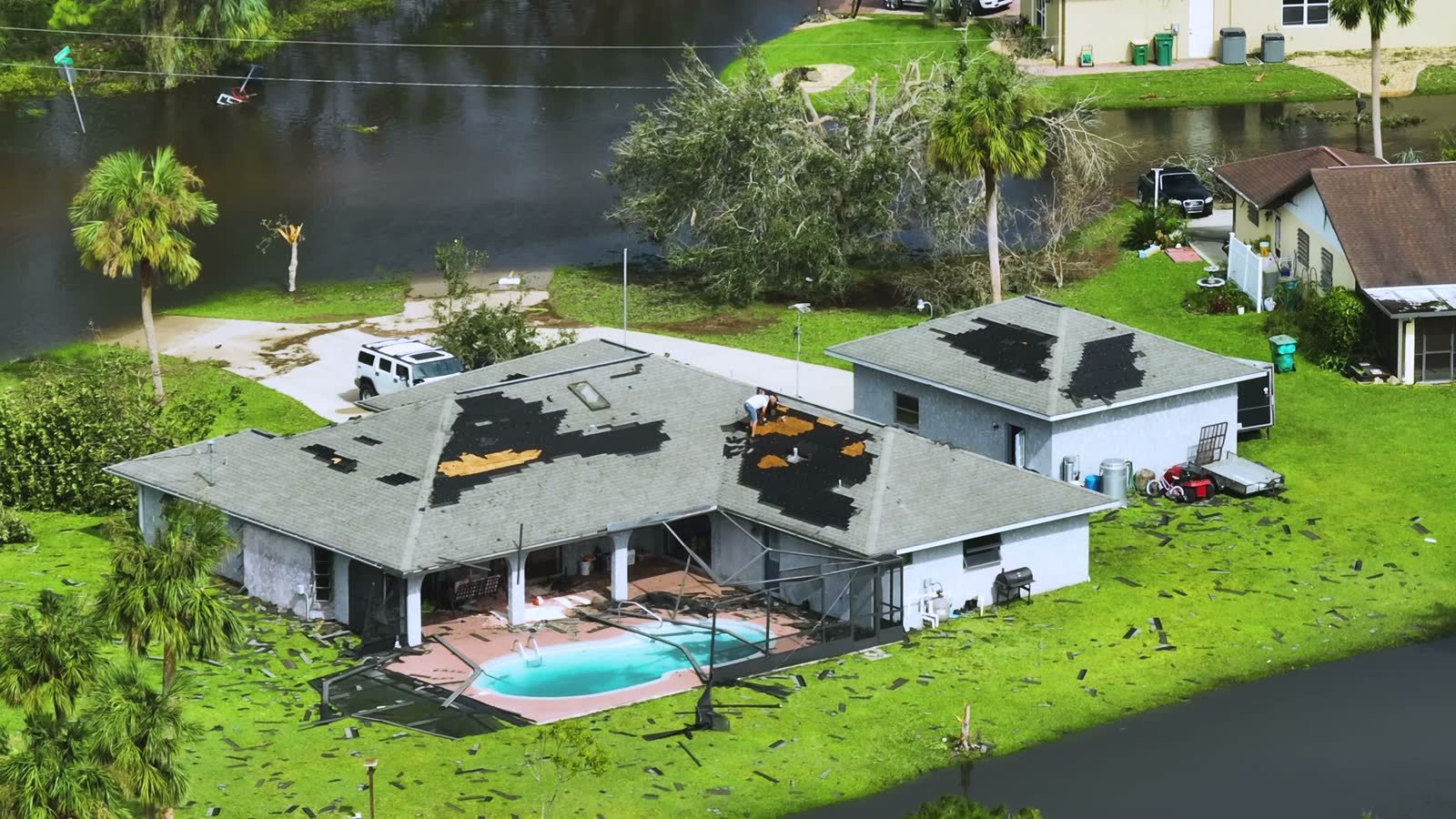
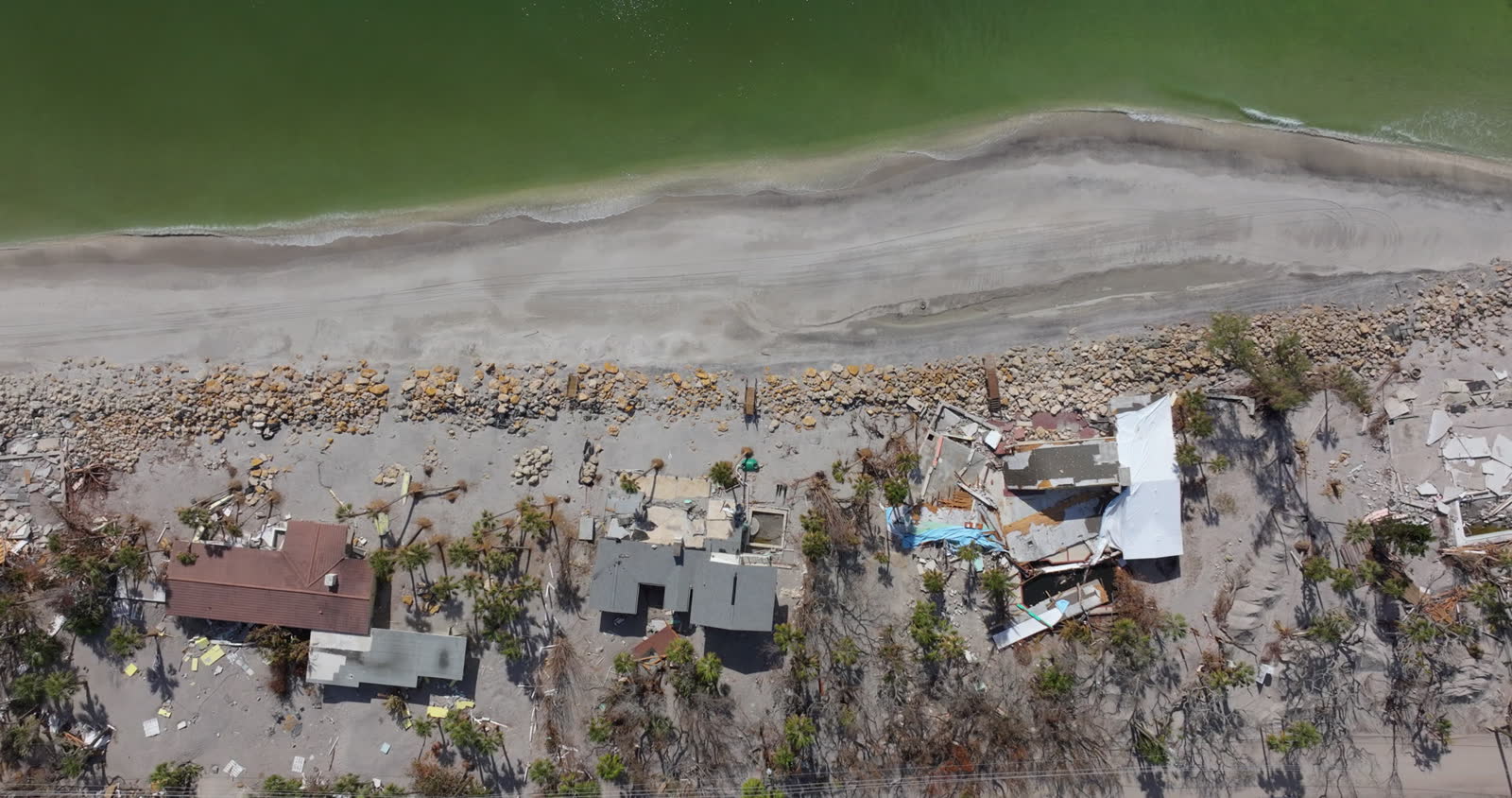
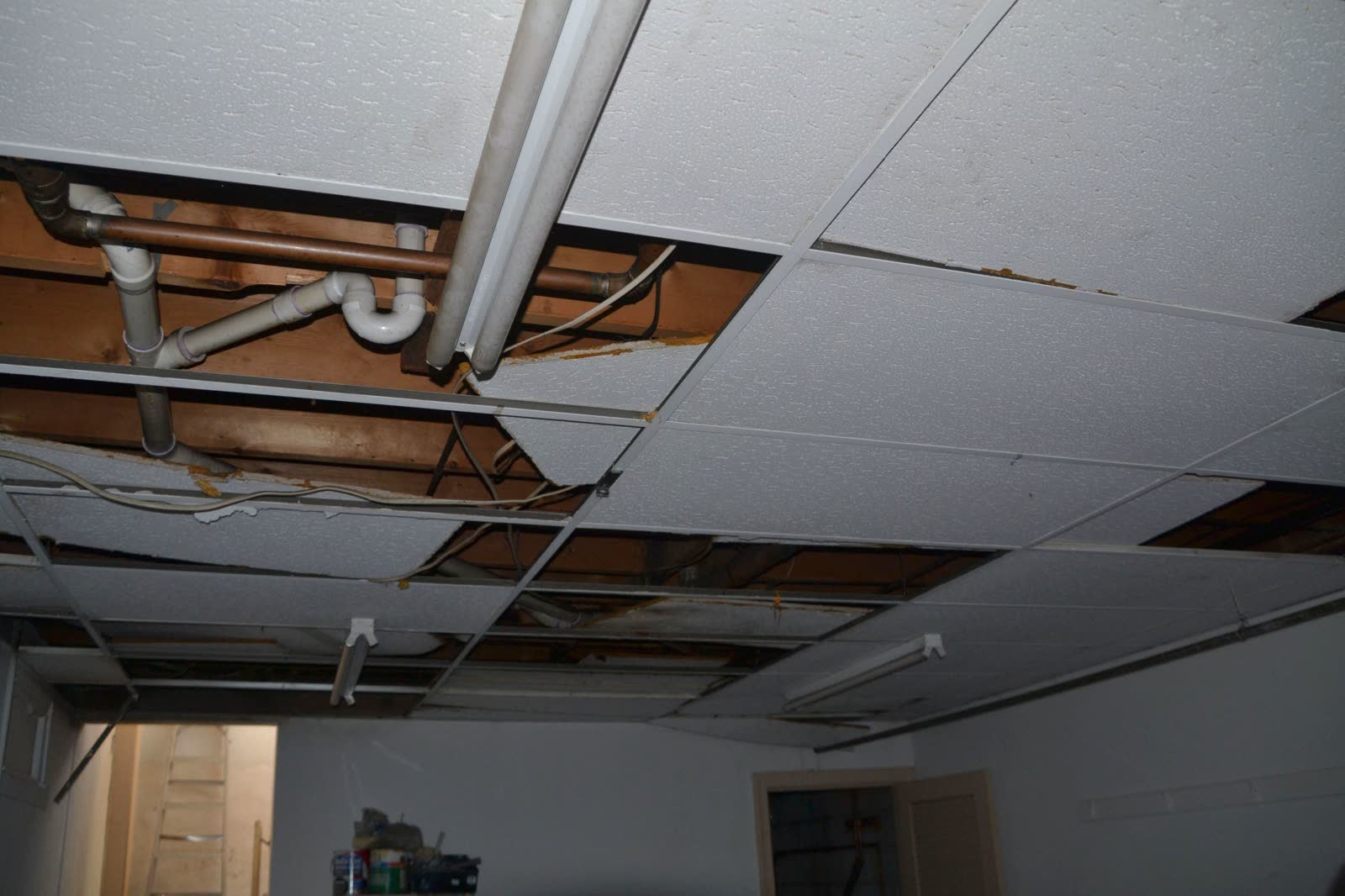
Ocala is inland horse country on karst terrain, but Central Florida is where crossing hurricanes pass through. The 2004 season sent Charley, Frances, and Jeanne over Marion County within weeks of each other, and Irma drove damaging winds across the region in 2017. Away from any coast, the storms here mean wind, rain, and downed trees. The resulting claims raise the hardest question in Florida property insurance: which storm, and which peril, owes for the damage?
What Ocala claims turn on
Wind is covered, behind a hurricane deductible that is a percentage of the home’s insured value, not the loss. Inland, the fights center on roofs, screen and pool enclosures, and rainwater, insurers discount roof claims to repair rather than replace, apply low sub-limits to pool cages, and argue that interior water was rain intrusion rather than a covered wind opening. On karst ground, sinkhole and subsidence claims add their own coverage battles. Where creeks and the Ocklawaha basin overtop, that rising water is excluded flood needing NFIP coverage, a separate claim from the wind loss on the same house.
The law here
Florida gives you one year from the date of loss to give notice of a hurricane claim and 18 months for a supplemental claim (§ 627.70132, as amended by SB 2-A in 2023), and the carrier must pay or deny within 60 days of a complete proof of loss (§ 627.70131). For storms that are already years past, those notice windows have generally closed, but a claim you already filed that was denied or underpaid can still have options, and the deadline to sue on a filed claim is longer. These are general figures; confirm the current statutes and your own dates with counsel before relying on them.