
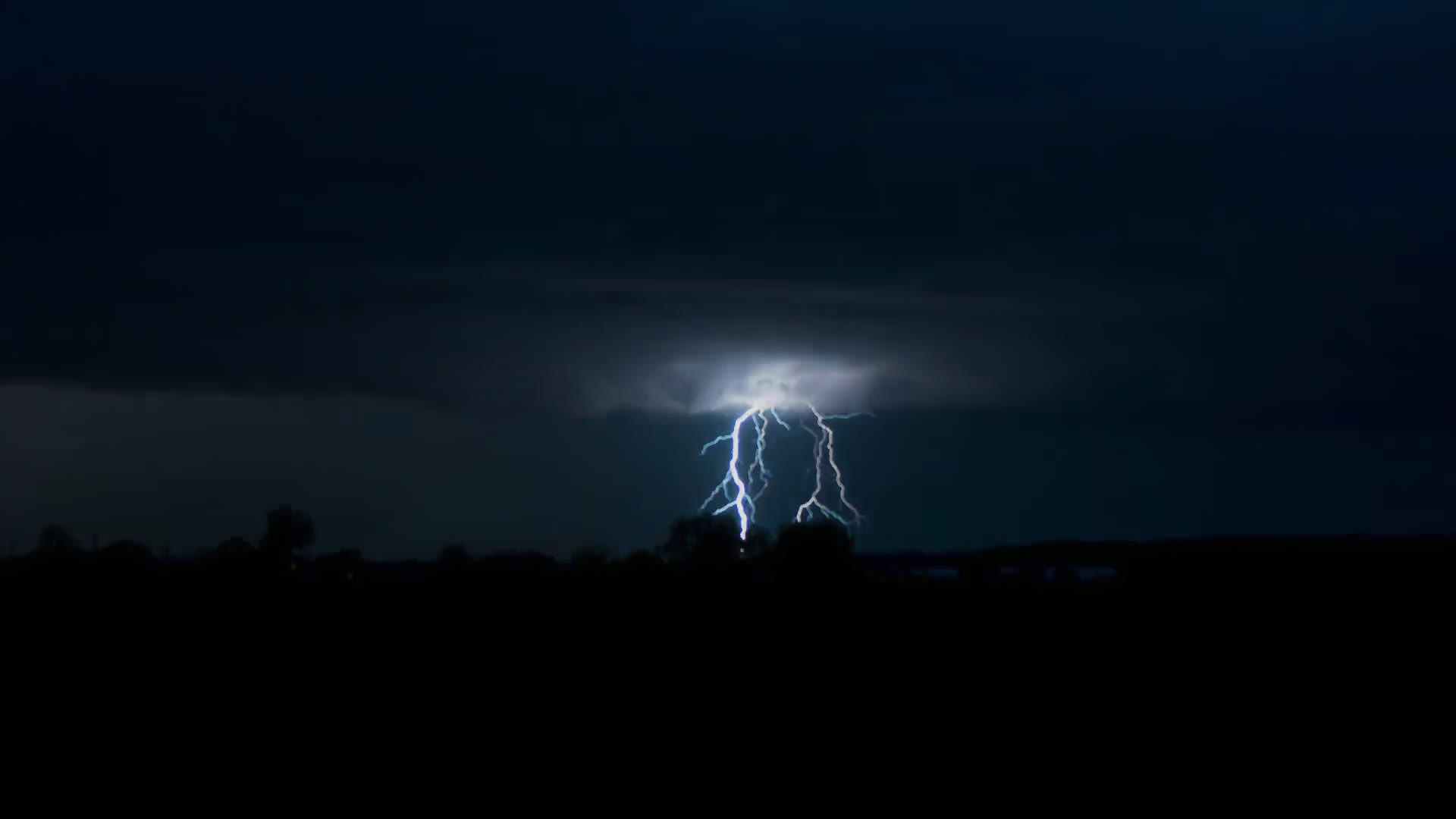
NOAA calls for a below-normal season and the Atlantic is quiet. That is build time, not safe time: 60% of an average season arrives after the Sept. 10 peak.
Two named storms so far: Arthur, which came ashore on the Texas coast in mid-June and drove record rain into Louisiana, and Bertha, a Gulf storm that made landfall in St. Bernard Parish. As of the National Hurricane Center’s outlook this week, the Atlantic has no named storm active and three areas to watch, none above a 40% formation chance over seven days. The next name on the list is Cristobal.
NOAA’s August update calls for a below-normal season: 7 to 13 named storms, 2 to 6 hurricanes, no more than 2 major, with the below-normal odds raised to 75% on the strength of El Niño.
Quiet is not the same as safe
The climatological peak of the Atlantic season is September 10, and roughly 60% of an average season’s activity comes after it. September has produced more Category 5 hurricanes than any other month. Below-normal seasons still put hurricanes on the coast; 1992 was a quiet year until Andrew. NOAA’s own standing caveat says exactly that.
So the honest read of a quiet August is that it is preparation time. Three moves worth making before the peak:
- Document your house now. A dated photo and video walkthrough, inside and out, roof included, is the single most valuable claim document that exists. The 10-photo protocol takes an afternoon.
- Read your declarations page. Know your hurricane deductible percentage in dollars with the deductible calculator, and look for roof payment schedules and water exclusion endorsements added at renewal. Carriers rarely re-explain them; the denial documents show how they surface later.
- Locate your policy, agent contact, and claims number. After landfall, carrier phone queues are measured in hours.
The live claims are from 2024
2025 produced zero U.S. landfalling hurricanes, which means the active claim base in Florida and South Carolina is still the 2024 storms: Debby, Helene, and Milton. Filing windows for new claims on those storms have closed, but lawsuits on filed-and-denied claims run for years: Helene to Sept. 26, 2029, Milton to Oct. 9, 2029, and Hurricane Ian’s five-year window dies first, on Sept. 28, 2027. Every deadline, storm by storm, is in the claim timelines.
If the season’s quiet stretch has a use, it is this: build the file before the wind, and resolve the 2024 claim you already have before the next one lands on top of it. Not legal advice; confirm dates and statutes with a licensed attorney. Sources: NOAA August seasonal update, National Hurricane Center tropical weather outlook (Aug. 22, 2026), FLOIR catastrophe reporting.
General information, not legal advice, laws and policies vary and change. Confirm current statutes and your own dates with a licensed attorney before acting.