- •Confirm the license class matches the work and jurisdiction. A Florida Certified Roofing Contractor is statewide; a Registered one is local only.
- •Get proof of general-liability and workers-compensation insurance in writing, and call the carrier to confirm it is active.
- •A deposit is normal; full payment before work starts is not. Never sign a blank or open-ended scope.
- •Walk away from anyone who offers to "waive your deductible," pressures you to sign today, or wants to run the whole claim.
- •In Florida, a contract with an unlicensed contractor can be unenforceable by the contractor (Fla. Stat. § 489.128). The license is not paperwork; it is leverage.
Why the storm crowd shows up
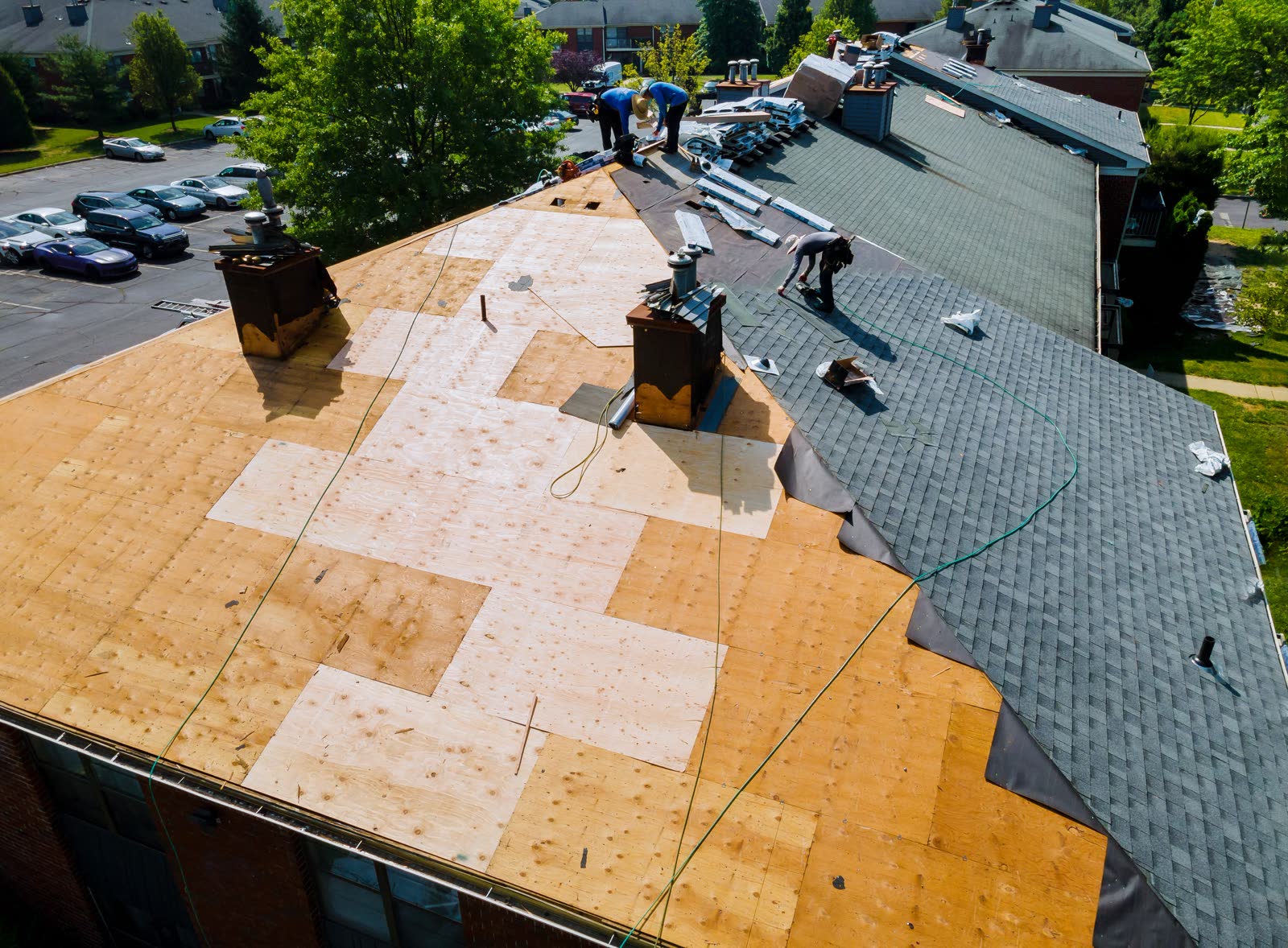
A major hurricane creates thousands of damaged roofs in a few hours and a backlog local crews cannot clear for months. That gap pulls in out-of-town labor, much of it legitimate and badly needed, some of it built to move fast, collect deposits, and leave. The homeowner cannot tell them apart by the truck or the pitch. You tell them apart with a short list of verifiable facts.
The nine checks below take an afternoon. They protect you three ways: from unlicensed or uninsured work, from a contract you cannot enforce, and from a claim handled in a way that hurts you with your own carrier. Do them in order. The first three are disqualifying if they fail.
License, insurance, locality
These three are pass-fail. If any one cannot be verified, stop. There is no version of the rest that fixes it.
License class matches the work and the state
Florida roofing runs through DBPR: a Certified Roofing Contractor (CCC) is valid statewide; a Registered Roofing Contractor (RC) is valid only in the local jurisdictions that recognize it. South Carolina residential roofing runs through the Residential Builders Commission under LLR. Confirm the status reads current and active for the right trade before anything else.
Insurance, liability and workers comp, in writing
Ask for a certificate of insurance showing general liability and workers-compensation coverage, then call the issuing agent to confirm it is in force. If an uninsured crew member is hurt on your roof, or the crew damages your home, uninsured work can leave the exposure on you.
A real local footprint
A verifiable physical address, a permanent phone line, and a track record in your county mean there is something to enforce a warranty against next year. A cell number and a magnetic door sign do not.
Contract, deposit, scope
The money terms are where storm work goes wrong even with a licensed contractor. Put every one of these on paper before the first payment leaves your hands.
Everything in a written contract
Materials (brand, product line, color), the full scope, the total price, the payment schedule, the start and substantial-completion dates, and the warranty terms, all on paper, all before work begins. Verbal promises are not a contract you can hold.
A reasonable deposit, not the whole job
A modest deposit to schedule and order materials is standard practice. A demand for full payment up front, or a large cash-only deposit, is a walk-away signal, not a discount.
No blank scope, no blank AOB
Never sign a scope of work that leaves the quantity, materials, or price open, and never sign an assignment of benefits just to get a tarp on the roof. Read exactly what rights any form transfers first.
References, warranty, permits
References you can actually reach
Ask for recent local jobs and call them. A legitimate contractor has a trail of completed work in your area; a storm chaser has out-of-state jobs you cannot verify.
A written workmanship warranty
Separate the manufacturer material warranty from the contractor workmanship warranty. Get the workmanship term in writing, and confirm the contractor is a certified installer where the manufacturer warranty requires it.
Permits pulled in your name-jurisdiction
Roof replacement almost always requires a permit and a final inspection. A contractor who wants to skip the permit, or asks you to pull the "owner-builder" permit for professional work, is shifting liability and code responsibility onto you.
The storm-chaser tells
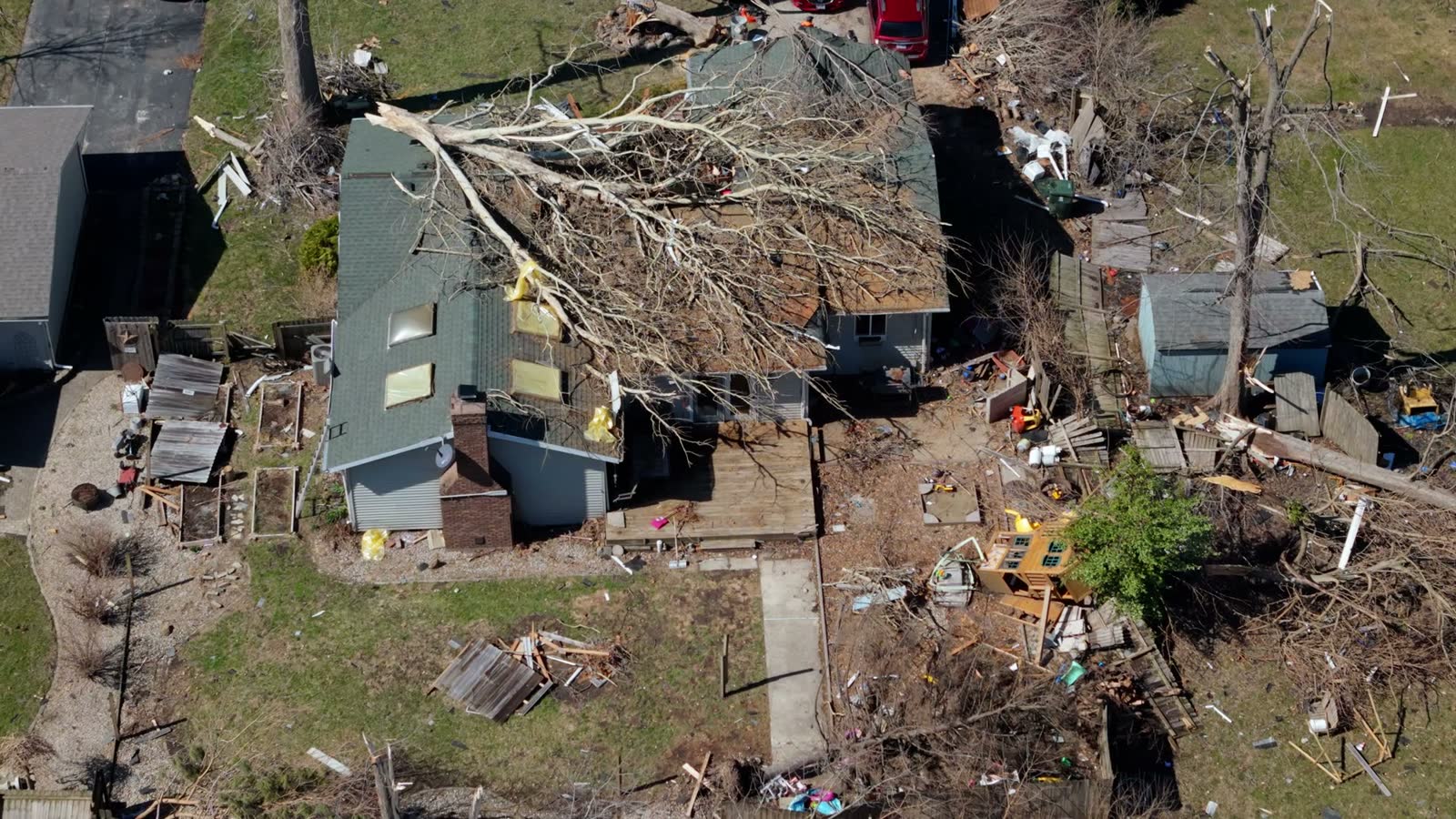
None of these alone proves bad faith. Two or three together is your cue to close the door and call someone local.
Door-knocking right after the storm
Unsolicited crews going street to street, pressing you to sign today, are the classic storm-chaser pattern.
Wants full payment up front
A reasonable deposit is normal; demanding the whole amount before work starts is a walk-away signal.
"We’ll handle the whole claim"
A contractor is not your adjuster or attorney. Anyone who wants to control your claim and payout should raise a flag.
No local address or license number
No verifiable license, no physical office, only a cell phone. You have nothing to enforce a warranty against.
Offers to "waive your deductible"
In many cases this is insurance fraud, and it tells you how this contractor does business.
Blank or vague scope of work
Never sign a contract that does not spell out exactly what will be done, with what materials, for what price.
The "we'll waive your deductible" trap
It sounds like a favor: the contractor tells you the roof costs you nothing because they will "cover" or "waive" your deductible and bill the insurer for the rest. A deductible is your required share of a covered loss. A contractor who eats it while charging the carrier the full price is often inflating the claim, and in insured property work that can be insurance fraud, exposing both of you.
Several states, Florida among them, restrict or prohibit a contractor rebating, absorbing, or advertising the waiver of an insurance deductible on covered property work. Beyond the legal exposure, the offer tells you how this contractor treats the truth on an estimate.
When the roofer and the carrier disagree
A licensed roofer inspects, writes a scope, and the number comes back well above what the carrier paid. That gap is common and often legitimate, but the contractor is not your claim representative. Keep the roles separate: the roofer documents the damage and the repair cost; you (or a professional acting for you) handle the claim.
If the carrier underpaid or denied a covered loss, the fight is usually about cause or scope, not whether the damage is real. Our wear-and-tear vs. wind guide maps the most common roof denial, and the experts directory covers the engineer who proves cause. If the dollars justify it, a public adjuster or a property-insurance attorney can carry the claim so your roofer can stay focused on the roof.
HurricaneLaw.pro does not vet, rank, endorse, or recommend individual contractors. Any roster we publish is drawn from public state license rolls and is presented as a starting point for your own verification, listed by license, not vetted. Run the checks above against the official state lookups yourself before you hire.
Vetting a roofer, FAQ
What is the single most important thing to check before signing?
The license, that it exists, that it is current and active, and that its class covers roofing in your jurisdiction. In Florida verify at the DBPR license search; in South Carolina verify through LLR. Everything else matters, but an unlicensed or wrong-class contractor is a problem before the first shingle goes on.
Is it legal for a contractor to pay or waive my deductible?
In many situations, no. A deductible is your required contribution to the loss; a contractor who "eats" it while billing the carrier the full amount can be inflating the claim, which may be insurance fraud. Several states, including Florida, restrict or prohibit deductible rebating in insured property work. Treat the offer as a warning about how the contractor operates.
How much deposit is normal for a roof?
A modest deposit to schedule the crew and order materials is standard; demanding full payment before work starts, or a large cash-only deposit, is not. Tie payments to milestones (deposit, materials delivered, dry-in, completion and passed final inspection) in the written contract.
What happens if I hire an unlicensed contractor?
Beyond the practical risks of no insurance and no warranty, Florida law makes contracts entered into by an unlicensed contractor generally unenforceable by that contractor (Fla. Stat. § 489.128), a strong reason the license is not just paperwork. Verify the license so you are not relying on that protection after the fact.
The roofer says the damage is worse than the carrier paid. What now?
A documented scope difference between a contractor estimate and the carrier payout is common and worth pursuing. If the carrier underpaid or denied a covered loss, a free attorney case review can tell you whether the gap is a claim dispute worth escalating, or whether a public adjuster is enough.
- Fla. Stat. § 489.128, contracts entered into by unlicensed contractors ↗, Contracts for construction work are generally unenforceable by an unlicensed contractor.
- Florida DBPR, license search & verification ↗, The state database for verifying a contractor license status, class, and any discipline.
- South Carolina LLR, Residential Builders Commission ↗, Licenses residential builders and specialty (including roofing) contractors in SC.
- South Carolina LLR, license verification portal ↗, Public lookup for SC LLR-issued professional and contractor licenses.
- FDACS, Florida consumer resources ↗, State consumer-protection guidance, including contractor and post-storm scams.
Not legal advice; consult an attorney about your specific claim. Confirm the current rules and license class for your job. Florida contractor licensing via DBPR; South Carolina via LLR.
Contractor says the carrier underpaid the roof?
Send the estimate and the carrier's payout. You'll get a straight read on whether the gap is a documented scope dispute worth pushing, and whether it needs a lawyer.

 HURRICANELAW.PRO
 A comprehensive property-insurance claim resource for policyholders: denied and underpaid claims, coverage and bad-faith law, storm dossiers, carrier profiles, city guides, and the complete claims playbook. Florida and South Carolina.
▸ SEE THE FULL SITE MAP →Coverage summaries, policy-language quotations, dollar figures, deadlines, and chart examples throughout this site are general information based on typical or standard policy forms and are illustrative only: they are not a quote, a guarantee of coverage, or a promise of any outcome. Every insurance policy is different: your own policy, endorsements, and state law control, so read your policy and confirm current statutes. Weather imagery courtesy of NOAA, the National Hurricane Center, and the National Weather Service. Legal services are provided by Halversen Law. Nothing on this site is legal advice; consult an attorney about your specific claim.
Legal matters are handled by Halversen Law, a law firm licensed in Florida and South Carolina.