
How common is "storm damage called age" in Florida claim denials?
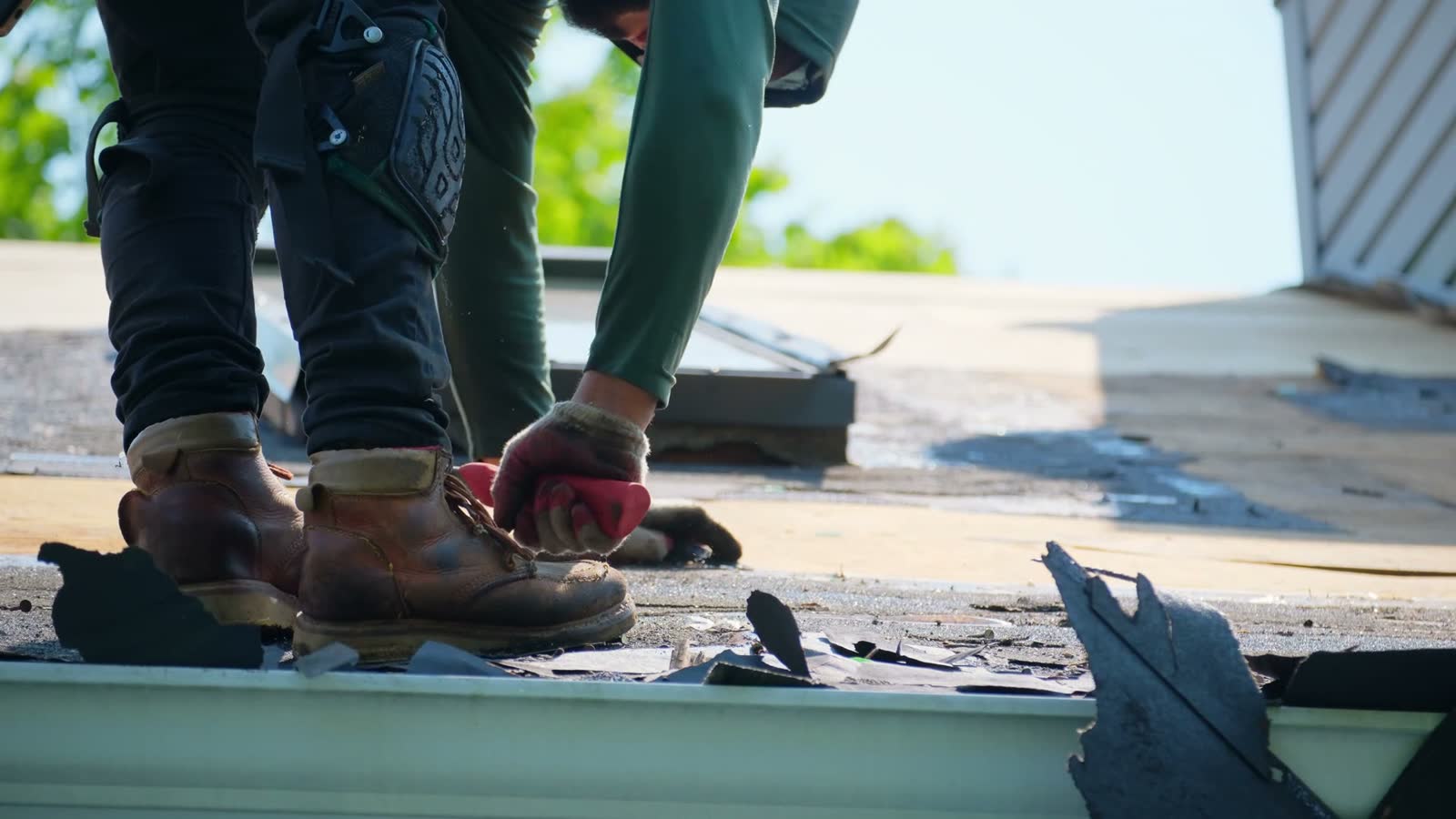
Storm-creased shingles are reclassified as deterioration, and a covered peril becomes an excluded condition. It is the most common wind denial in Florida because roofs genuinely do age, and a photograph taken months later cannot easily tell the difference. It appears in 529 of 1,891 Civil Remedy Notices filed against Florida property insurers over denied claims, which is 28% of them.
| How often | 529 of 1,891 filings, 28% |
|---|---|
| Named most often | STATE FARM FLORIDA INSURANCE COMPANY (58 filings) |
| Documented examples below | 3 |
| What answers it | Expert opinions are beaten by better expert opinions, not by argument. Get your own inspector, pull the recorded wind speeds at your address for the d |
| What these filings are | Allegations by policyholders, not findings by a court |
Expert opinions are beaten by better expert opinions, not by argument. Get your own inspector, pull the recorded wind speeds at your address for the date of loss, and find dated photographs from before the storm.
The roof guide shows how to prove storm damage or pre-existing wear on a roof from the damage signatures.
Wear and tear versus wind Read →Filings naming this argument, by insurer. A bigger Florida book collects more filings, so read this as volume, not as a rate. Each linked insurer opens the archive page for the filings that name it.
Quoted verbatim from the filings, with names, addresses and claim numbers removed. Each links to the public record on the state's site.
A Civil Remedy Notice records an allegation, not a finding. Nothing quoted here has been decided by a court or by the Department. Not legal advice; consult an attorney about your specific claim.
Is this the argument in your letter?
Send the letter and the estimate. You will get a straight read on which argument the carrier is running and what answers it.