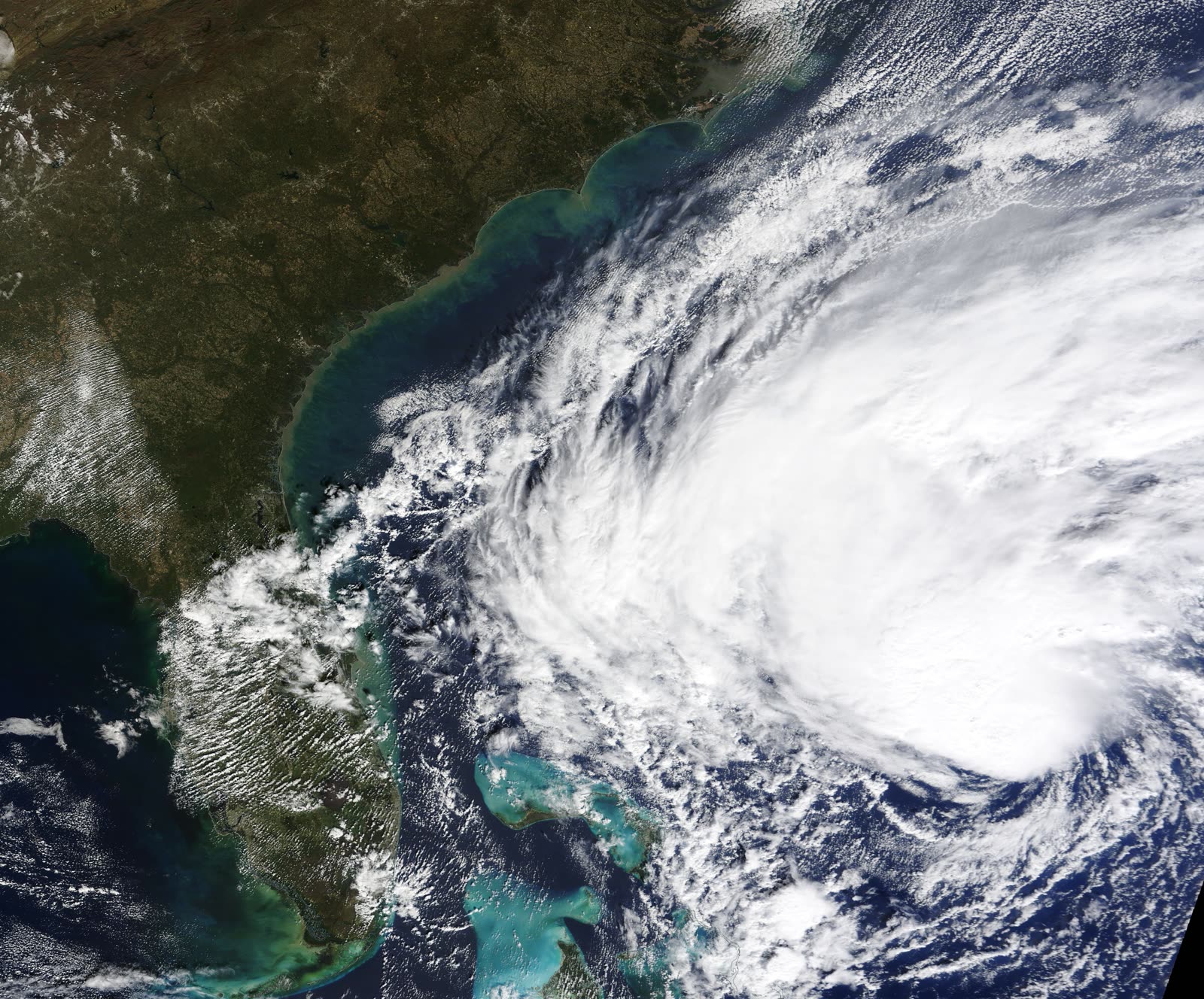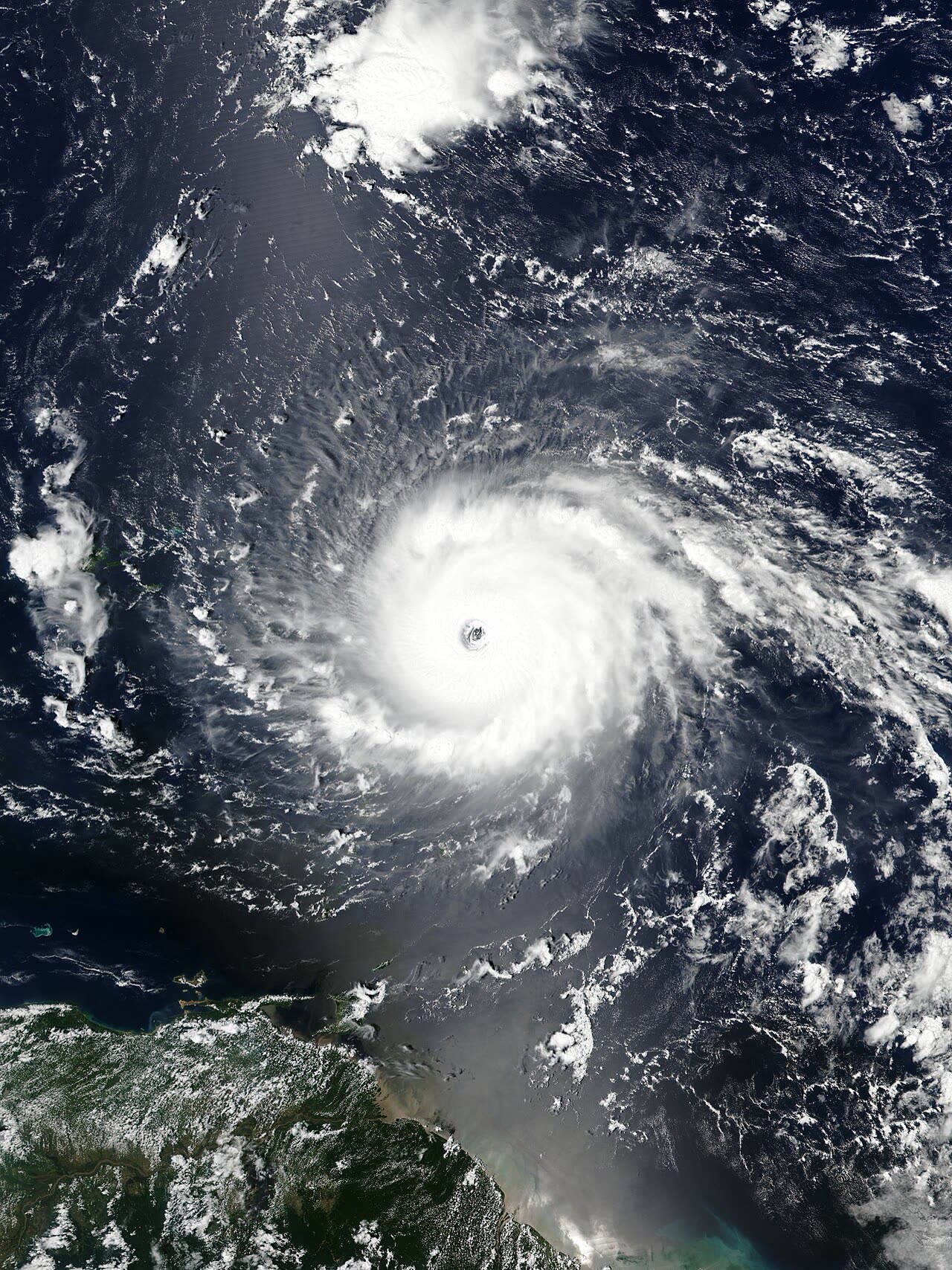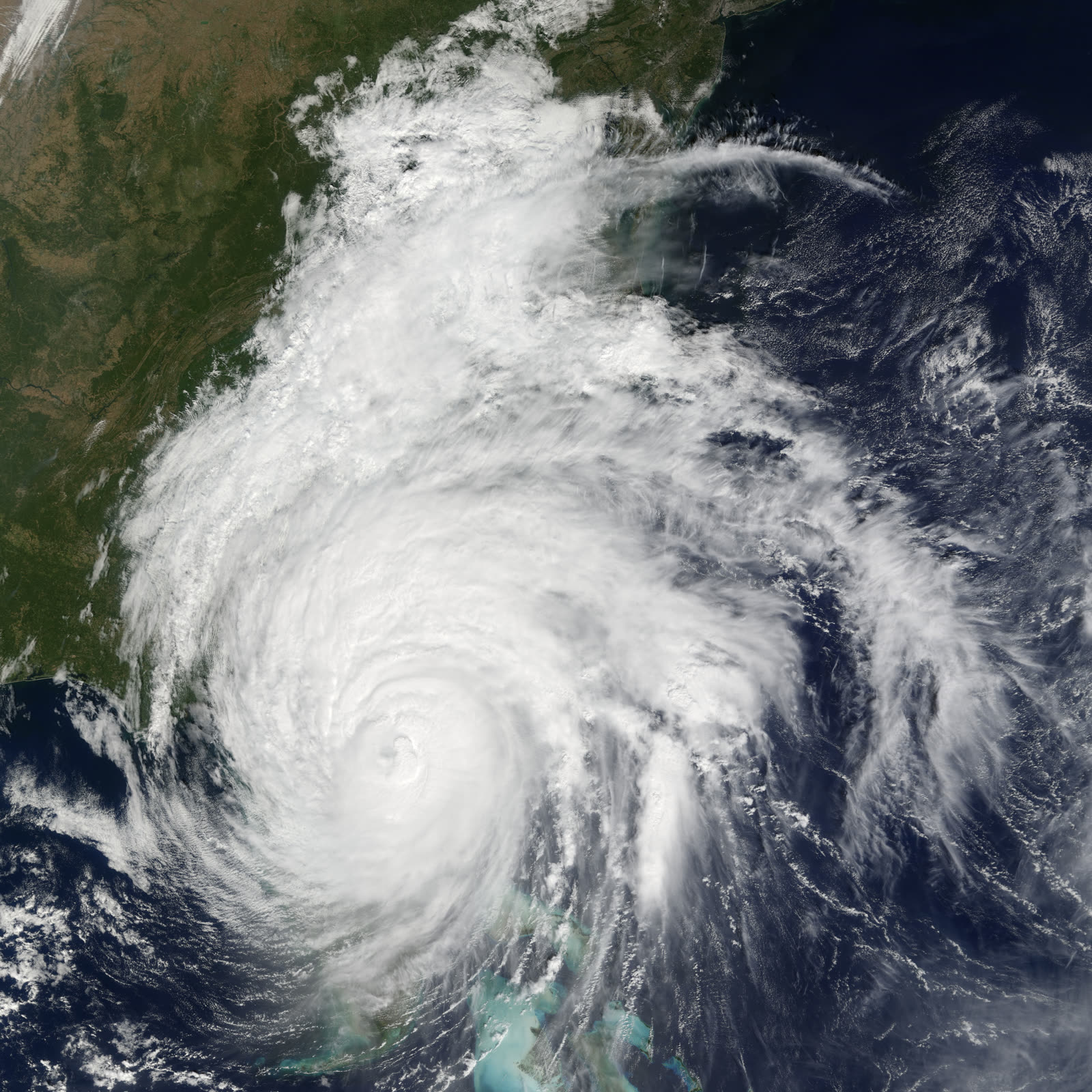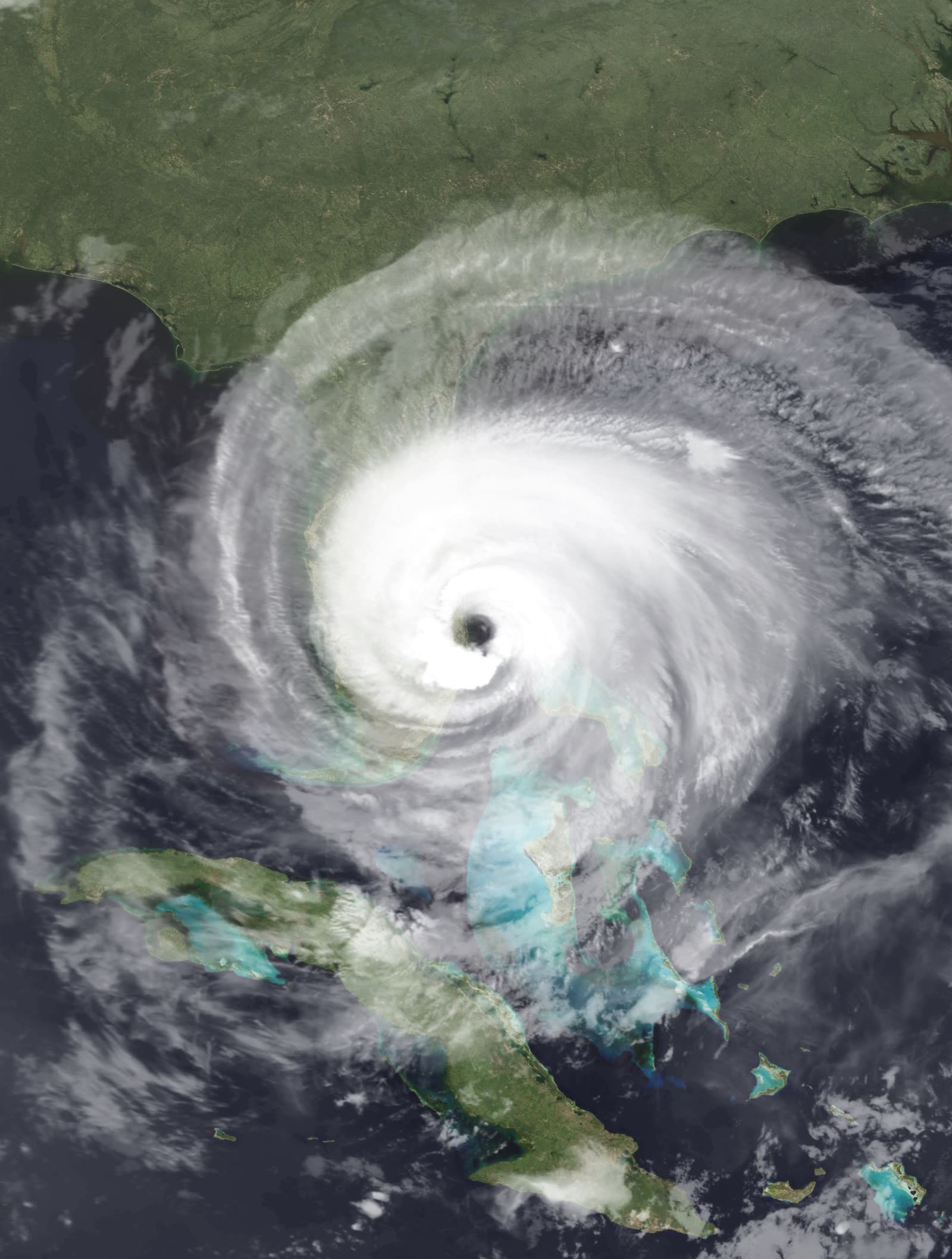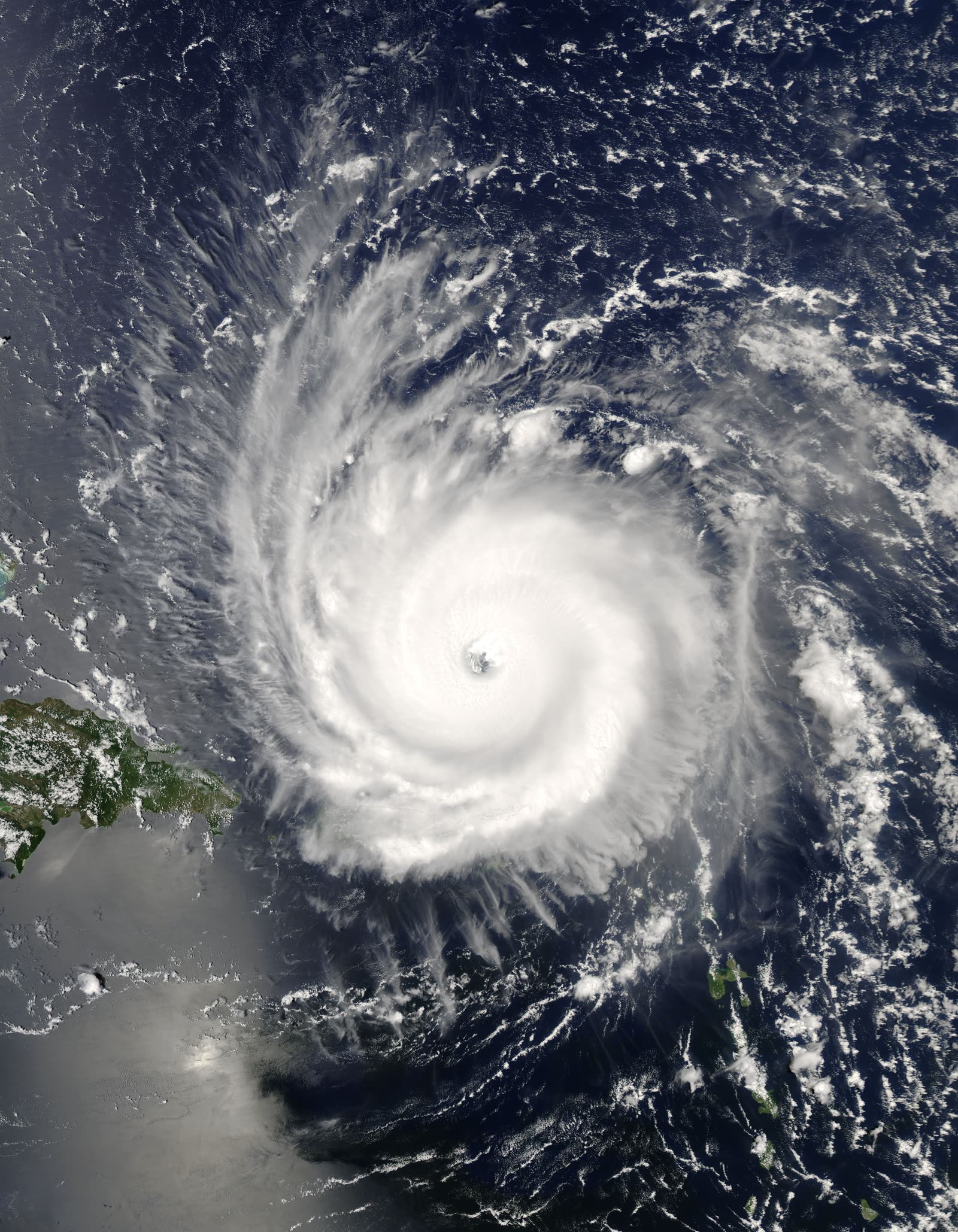
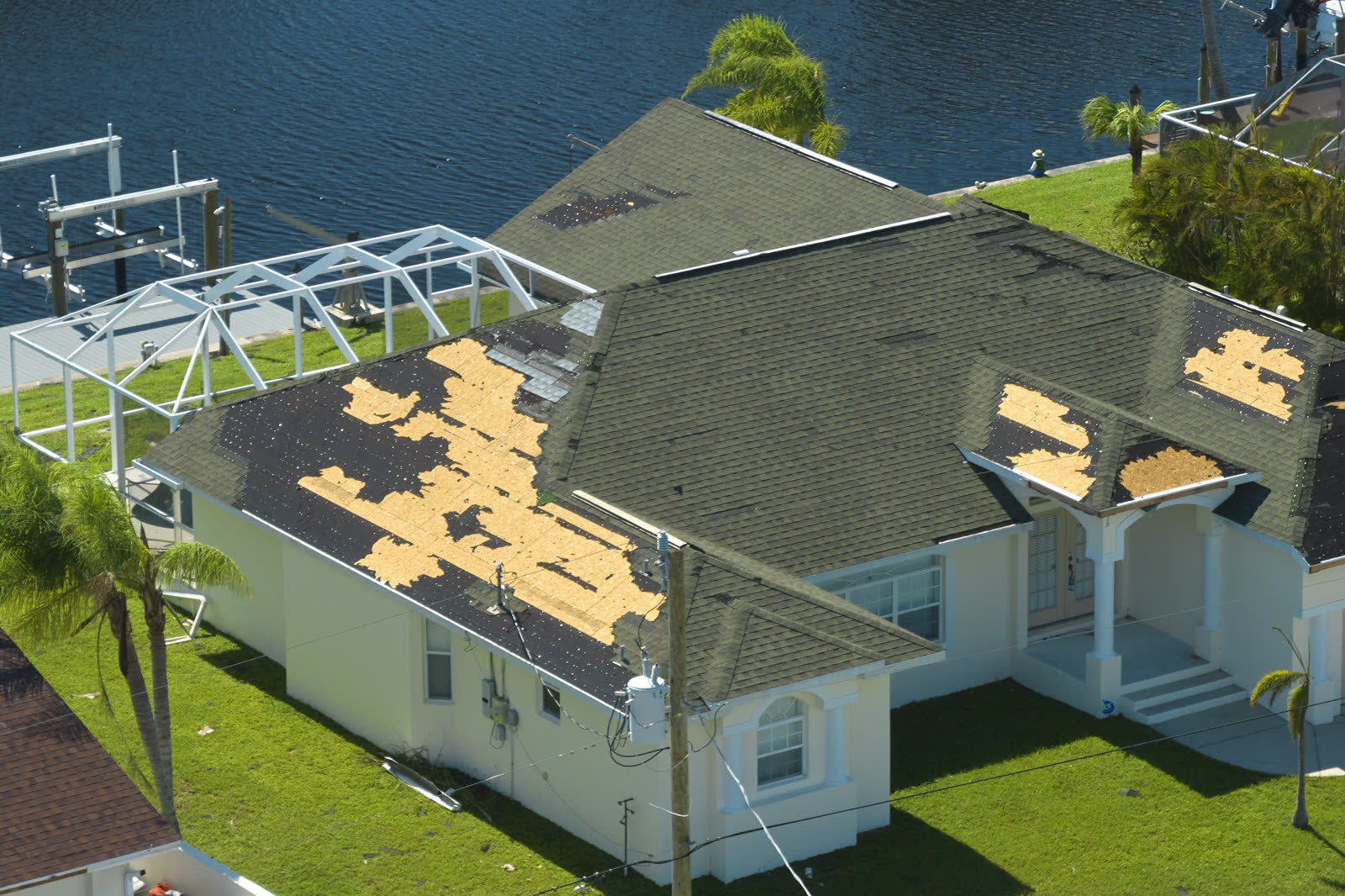
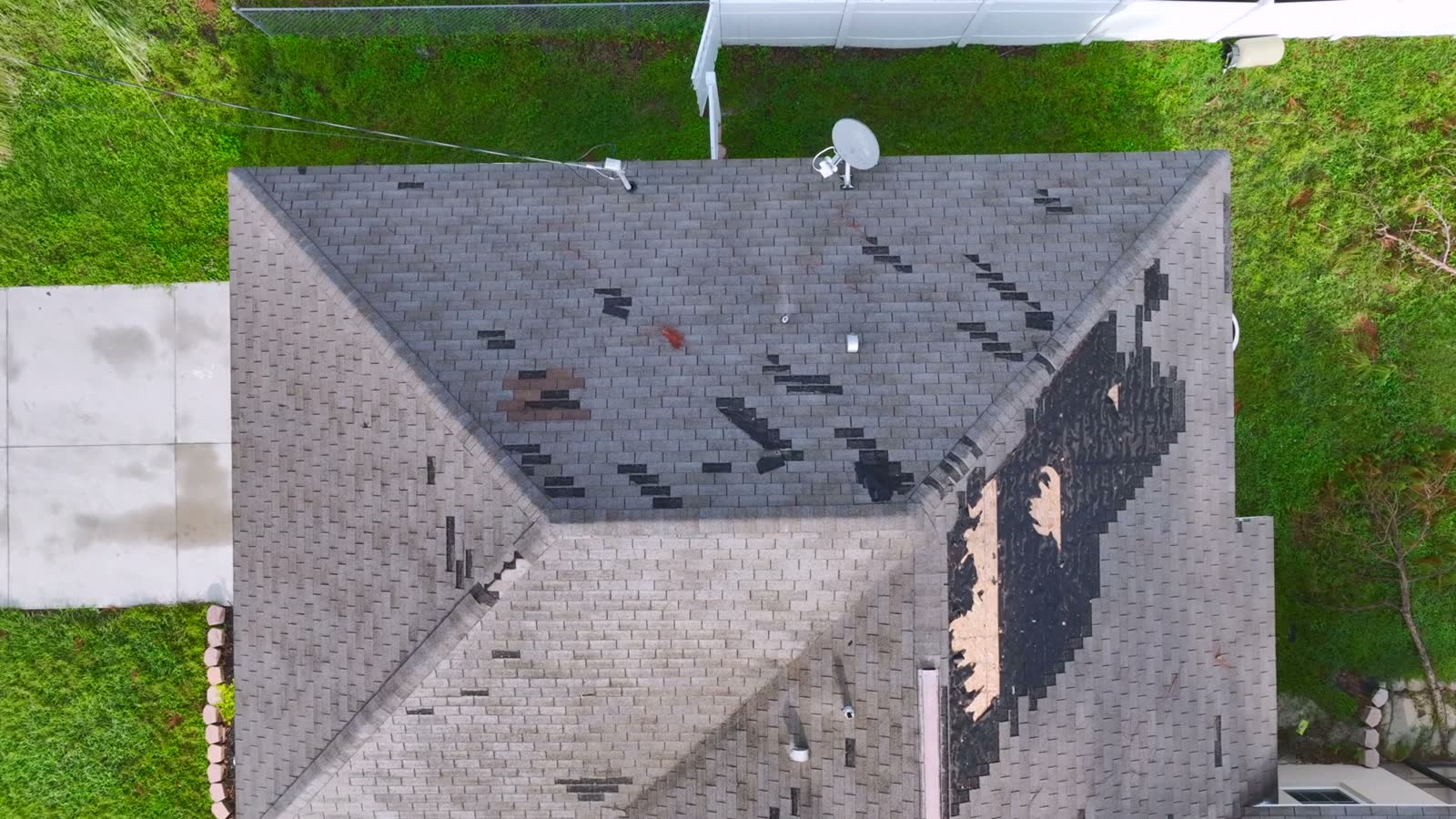
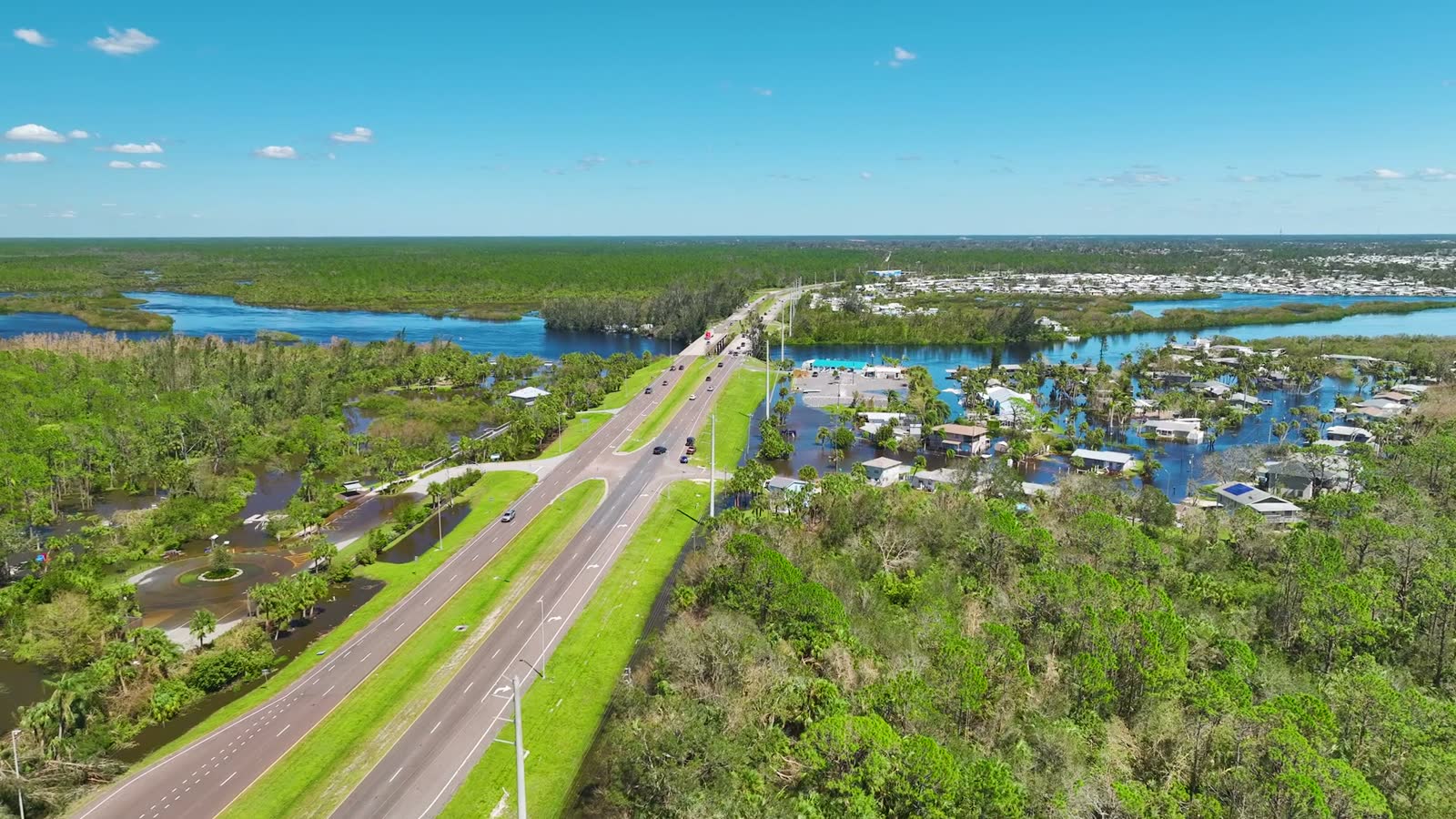
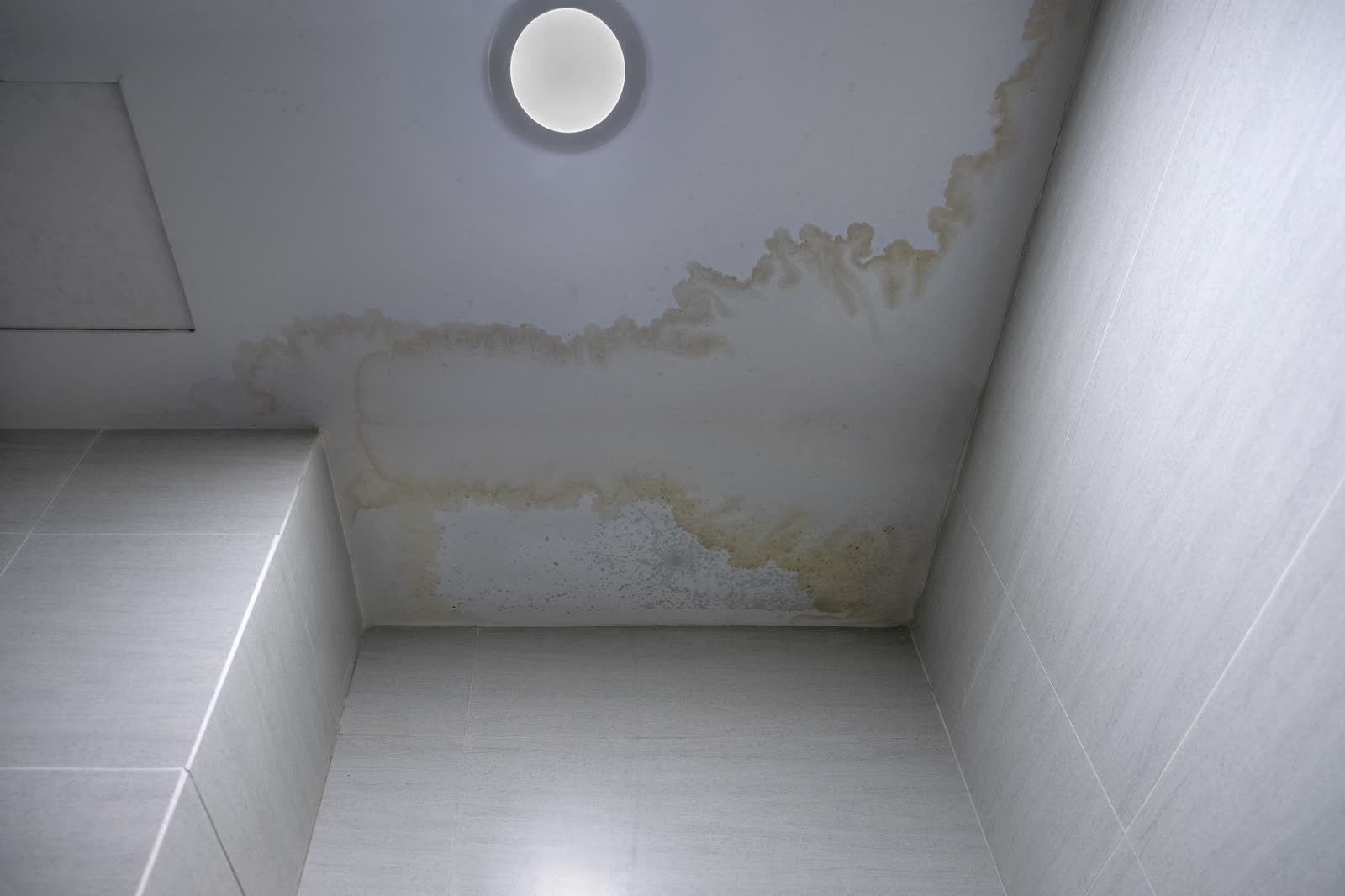
Melbourne Beach takes storms from both sides. Frances and Jeanne came ashore at Hutchinson Island three weeks apart in 2004, Matthew paralleled the coast offshore in 2016 and still produced more than 100,000 Florida claims, Irma forced a statewide evacuation in 2017, and Nicole made landfall at Vero Beach in November 2022, a minimal hurricane that still condemned beachfront buildings up the coast. The claims those storms produce raise the hardest question in Florida property insurance: which storm, and which peril, owes for the damage?
What Melbourne Beach claims turn on
The FEMA map splits this town down the middle. The ocean dune ridge maps Zone X while the lagoon frontage on Riverside Drive is AE, so two homes on opposite sides of A1A can carry entirely different flood coverage. Surge and lagoon flooding are flood, excluded from every homeowners policy and covered only by NFIP or private flood. Wind is covered, behind a hurricane deductible calculated as a percentage of the home’s insured value, not of the loss.
Nicole added a third argument to the beachfront. Erosion and land loss are not a covered peril under a homeowners policy, so a house that survived the wind and lost the ground under its seawall can find every carrier declining. On back-to-back seasons, insurers also dispute which storm caused what, an allocation fight that closes claims without full payment.
The law here
Florida gives you one year from the date of loss to give notice of a hurricane claim and 18 months for a supplemental claim (§ 627.70132, as amended by SB 2-A in 2023). The carrier must pay or deny within 60 days of a complete proof of loss (§ 627.70131). For storms already years past, those notice windows have generally closed, but a claim you already filed that was denied or underpaid can still have options, and the deadline to sue on a filed claim is longer. These are general figures. Confirm the current statutes and your own dates before relying on them. Not legal advice; consult an attorney about your specific claim.