The storm
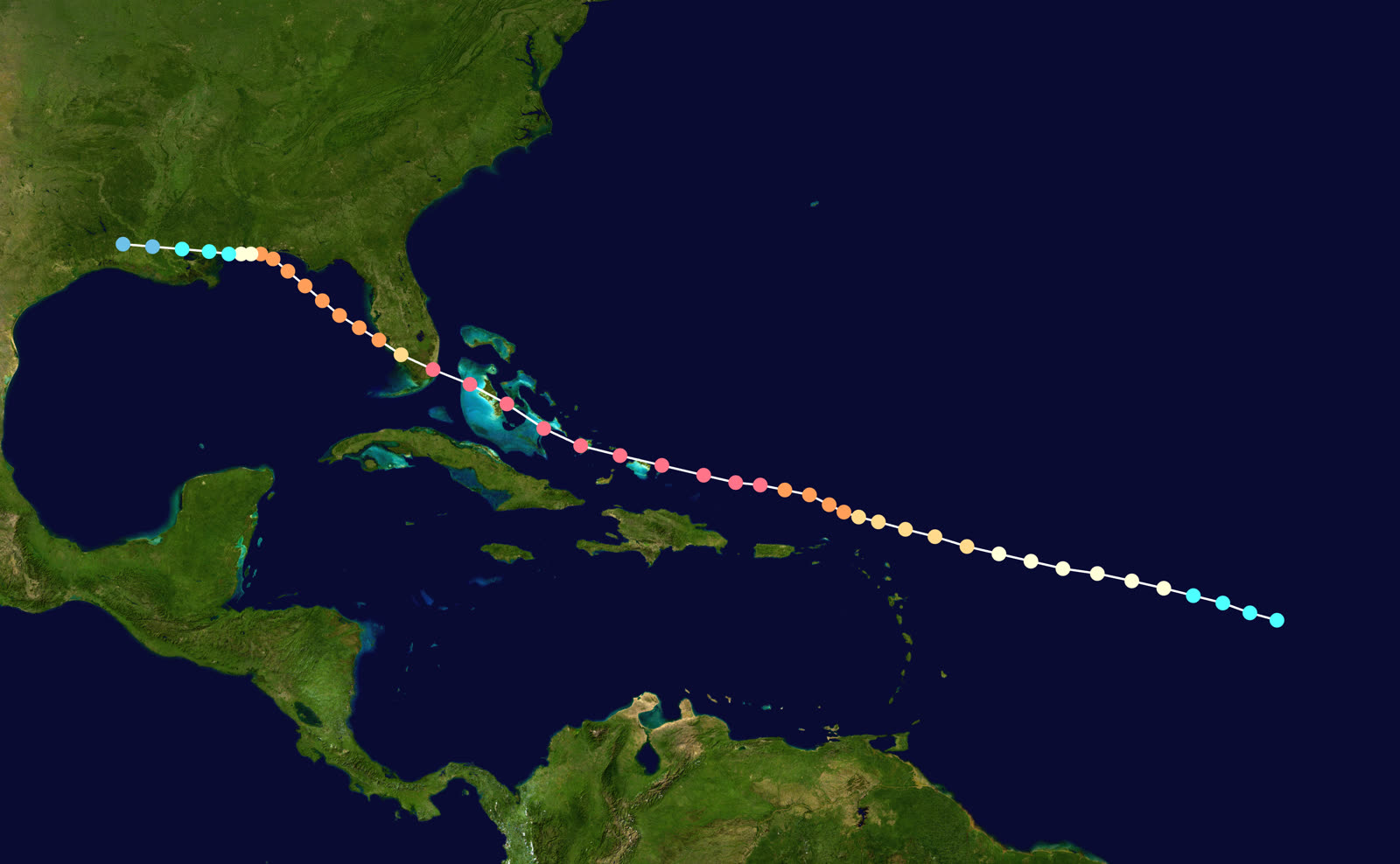
The hurricane formed in the central Atlantic on September 11, 1926, and moved west with almost no advance detection, no satellites, no radar, no reconnaissance aircraft. It crossed the Bahamas at Category 4 strength on September 17. Miami received hurricane warnings only hours before the eye arrived.
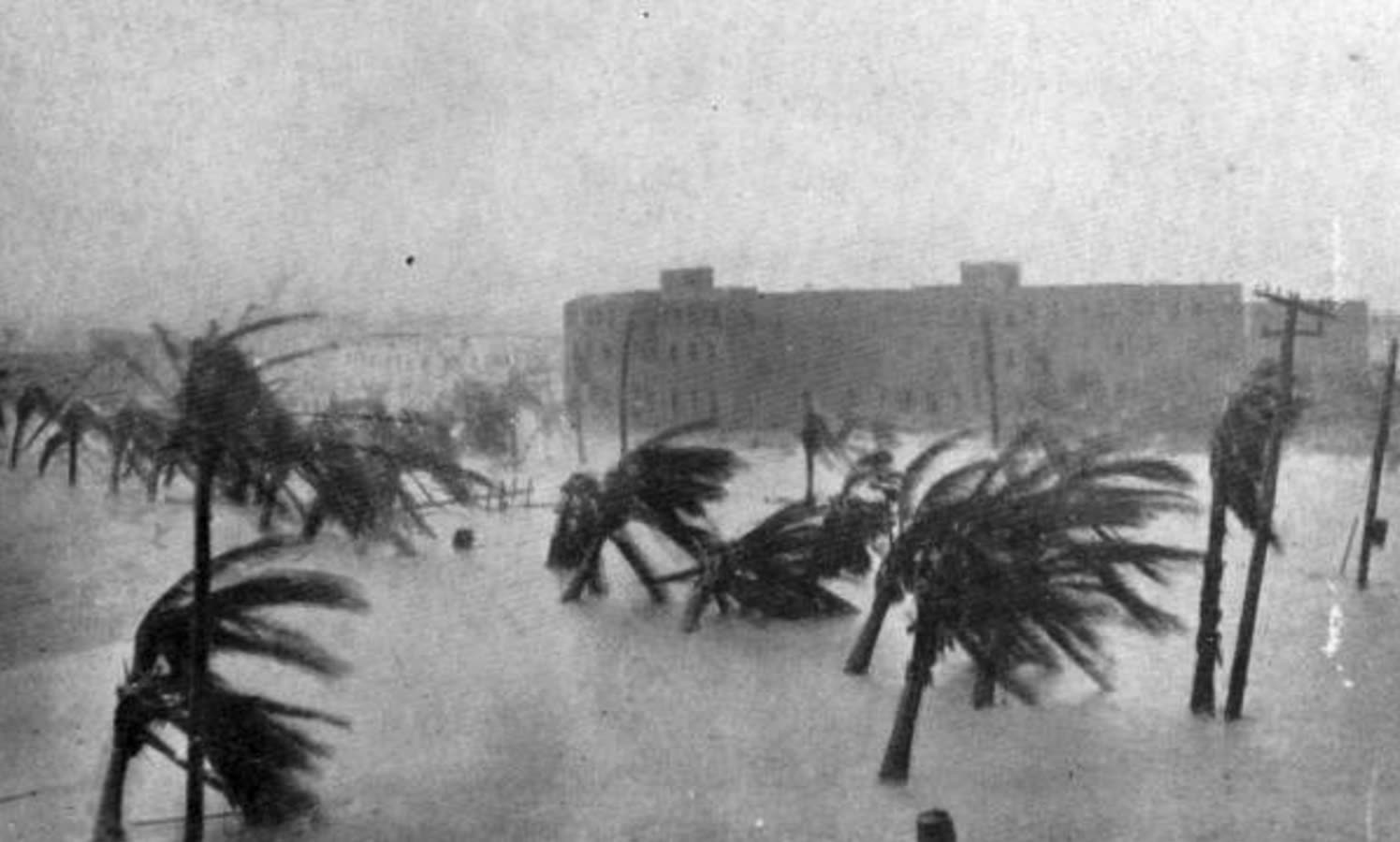
Landfall came before dawn on September 18 near Perrine, just south of downtown Miami, at 930 mb with sustained winds near 145 mph. Biscayne Bay surge reached 14-15 feet at Coconut Grove. The eye passed directly over the city, and the lull became the storm's signature tragedy: residents who had never experienced a hurricane walked outside into the calm, and the back eyewall and surge caught them in the open.
The storm crossed the peninsula, drove Lake Okeechobee over its muck dikes at Moore Haven, re-intensified over the Gulf, and made a second U.S. landfall at Perdido Beach, Alabama on September 20, battering Pensacola for more than 20 hours before dissipating over Louisiana.
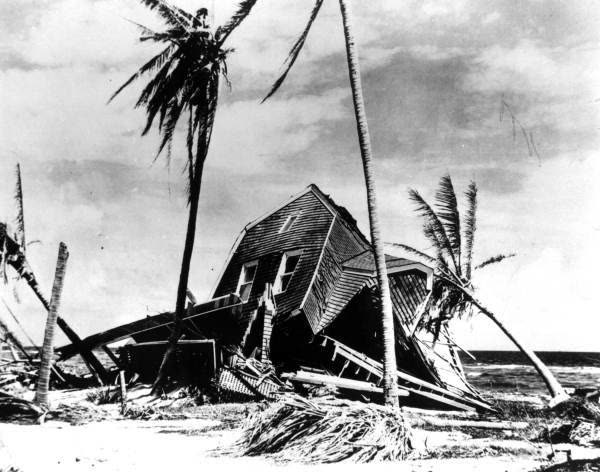
The damage
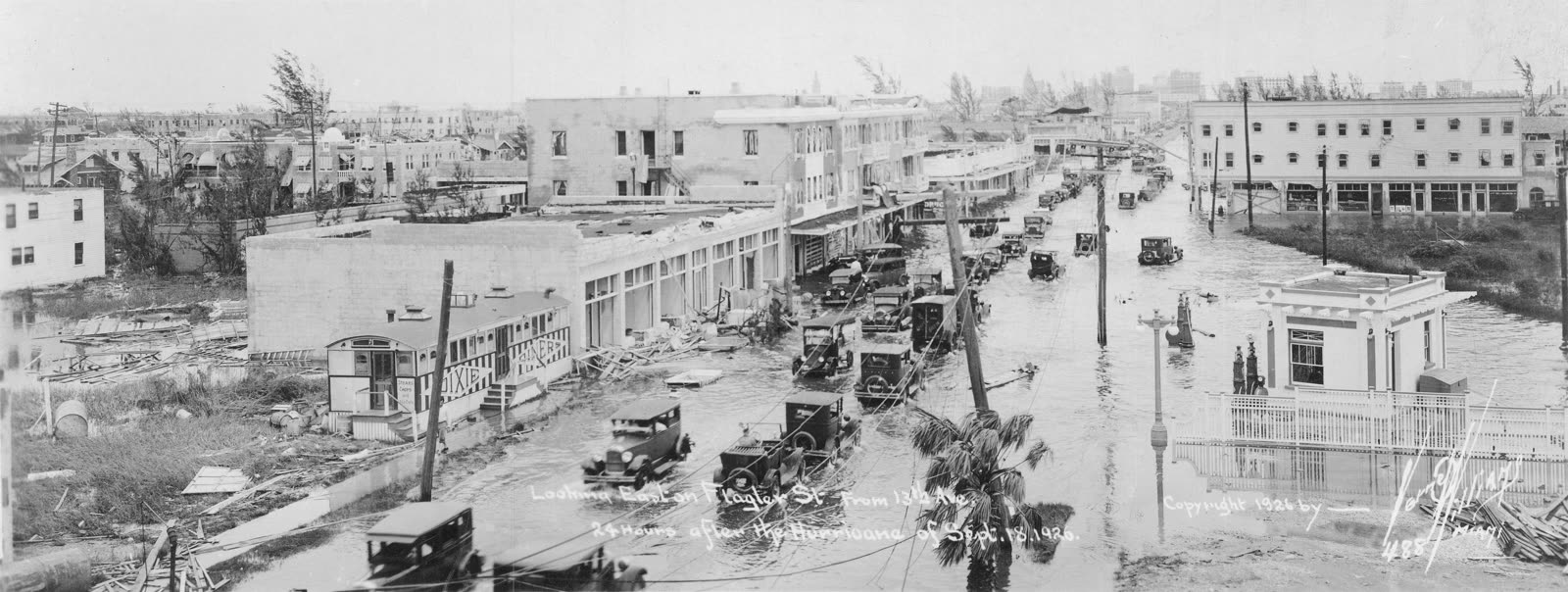
The Red Cross count: 372 dead, 6,381 injured, about 43,000 homeless, in a metro area of roughly 100,000. Estimates including the missing run above 500. Moore Haven alone confirmed about 150 dead when the lake dikes failed, a rehearsal for the far larger Okeechobee disaster two years later.
Miami Beach casinos and oceanfront homes collapsed. Hialeah reported hundreds of working-class homes leveled and 70% of the town damaged. In Fort Lauderdale, 3,500 of 12,000 buildings were severely damaged. State Road A1A washed away in Broward and Miami-Dade; the MacArthur Causeway sat under six feet of water. Direct damage: about $100 million in 1926 dollars, roughly $75 million of it in Florida.
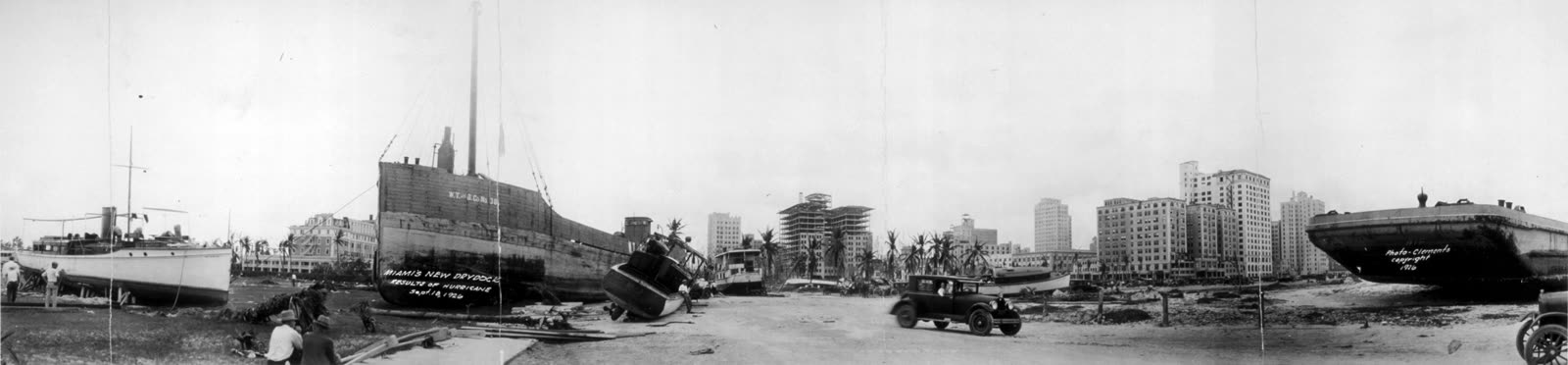
The insurance aftermath
The 1926 storm hit before hurricane insurance was a meaningful product. Homeowners of the era carried fire policies; windstorm protection was an uncommon add-on, and flood/surge losses had no insurance market at all. Most of the loss fell on property owners, banks, and the Red Cross relief system, not carriers.
The macro consequences were larger than any claim file. The hurricane ended the Florida land boom outright: tourism collapsed in 1927, land buyers defaulted in waves, and thousands of newcomers left the state and emptied their accounts. Florida and Georgia had already seen 117 banks close in a ten-day panic in July 1926; the storm accelerated the failures. Historians treat the hurricane as the start of Florida's Great Depression, three years early. Full recovery waited until the 1940s.
Two durable institutions came out of the wreckage. First, building regulation: Miami Beach appointed John J. Farrey chief building inspector, and he initiated and enforced the first building code in the United States, a code more than 5,000 U.S. cities later copied. Second, the benchmark itself: wealth-normalization studies rank the 1926 storm as the costliest U.S. hurricane in history if it struck today's coastline, $235.9 billion in one 2018 estimate, $140-157 billion in an earlier 2005 study. Modern Florida reinsurance and rate filings still model "a 1926 repeat" as a market-breaking scenario.
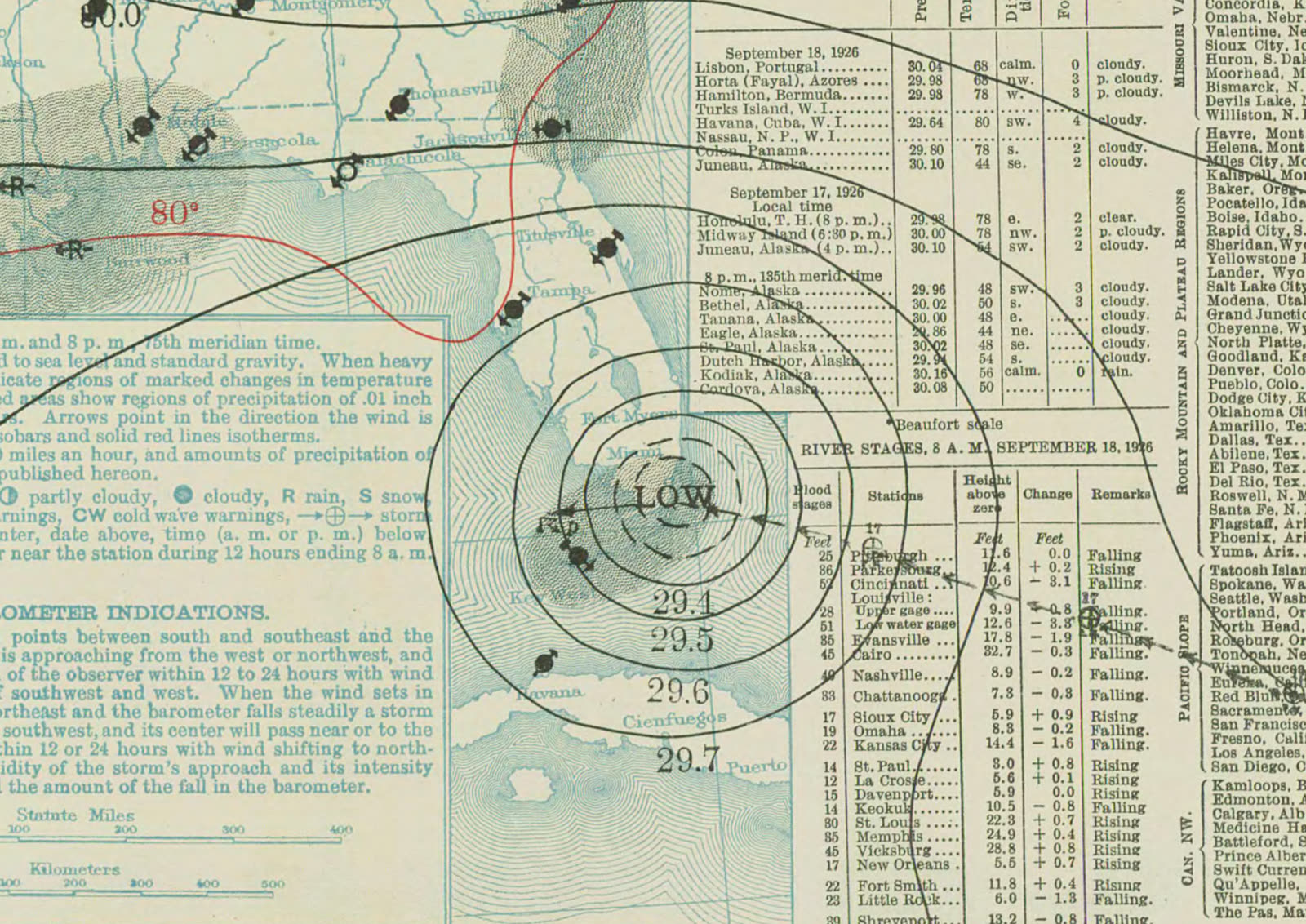
What policyholders learned
- Uninsured perils fall on the owner. In 1926 that meant nearly everything; today it still means surge and flood unless a separate flood policy exists before the storm.
- The eye is not the end. The deadliest minutes came after the calm. The same logic applies to claims: second-half wind and surge damage is distinct evidence; document each phase.
- Codes exist because of this storm. Repairs that meet current code have been the recoverable standard ever since; code-upgrade (ordinance or law) coverage traces to lessons first written into the 1926-era Miami Beach code.
- Market collapse follows unpaid losses. Banks, not carriers, absorbed the 1926 loss, and the regional economy broke. It is the founding argument for why paid claims, not relief, stabilize a disaster economy.
- Normalized history sets today's rates. The 1926 storm is the reference catastrophe in Florida windstorm ratemaking; policyholders are still paying for its return period.
Not legal advice; consult an attorney about your specific claim. Damage figures are nominal (not inflation-adjusted) unless noted.