The storm
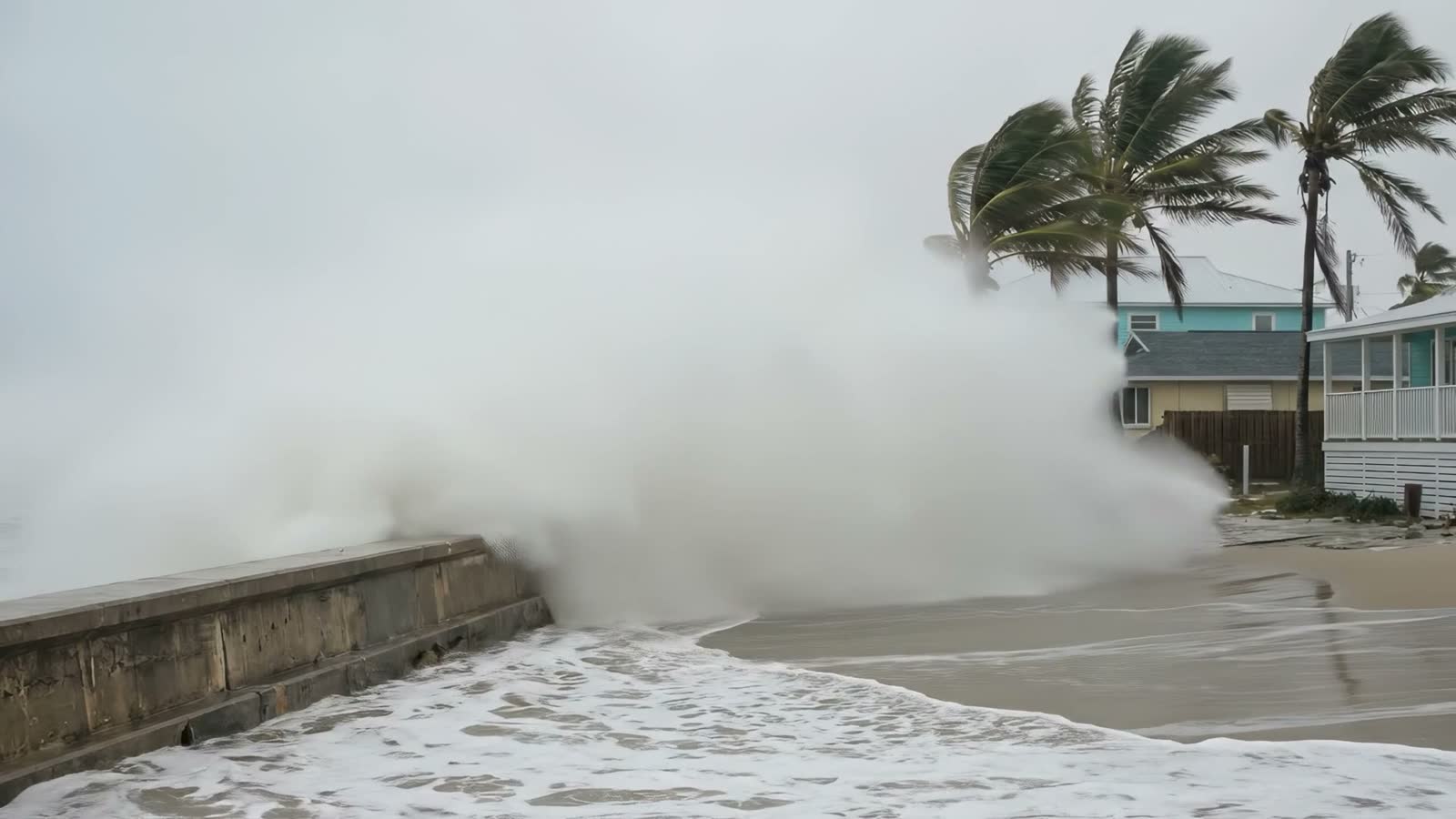
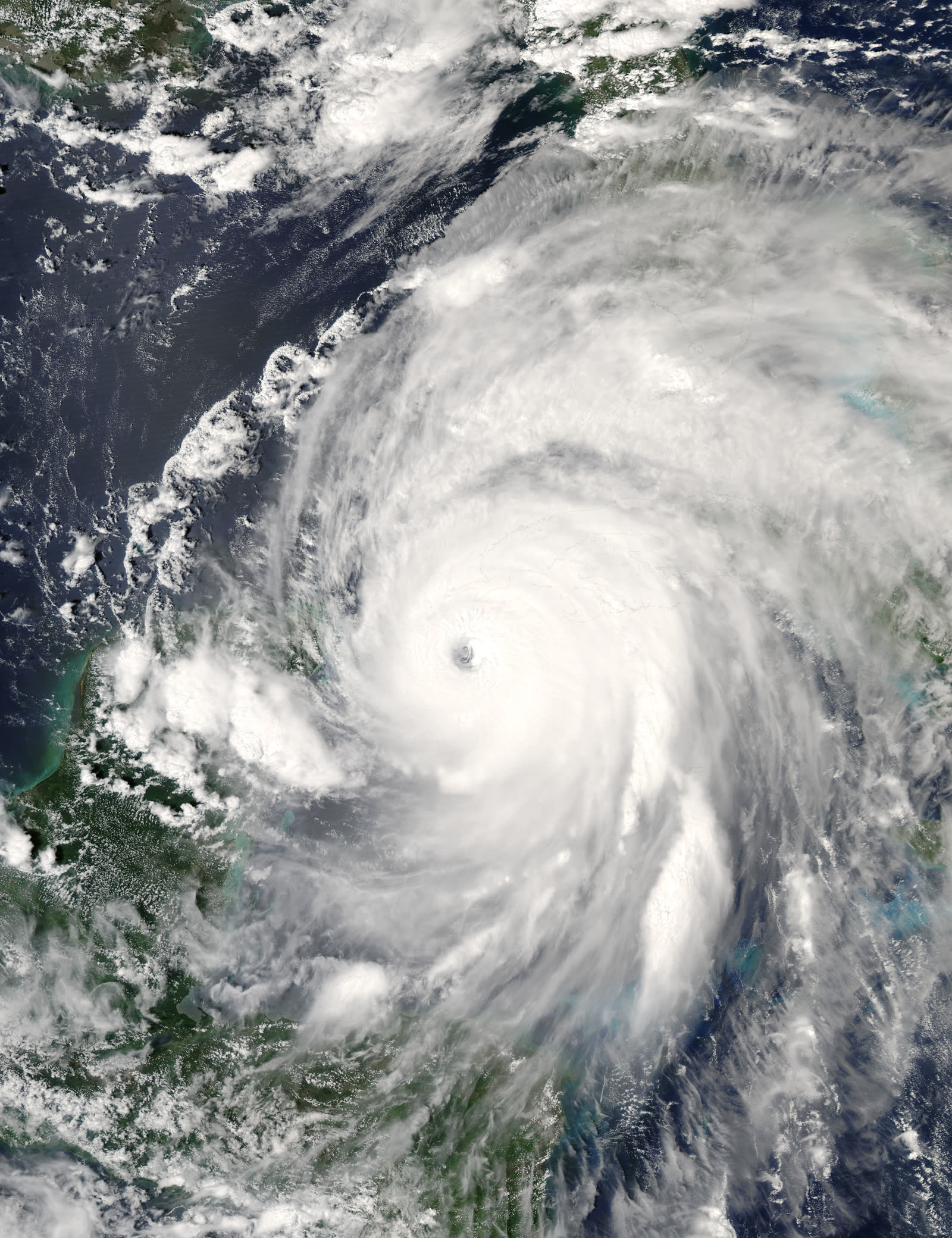
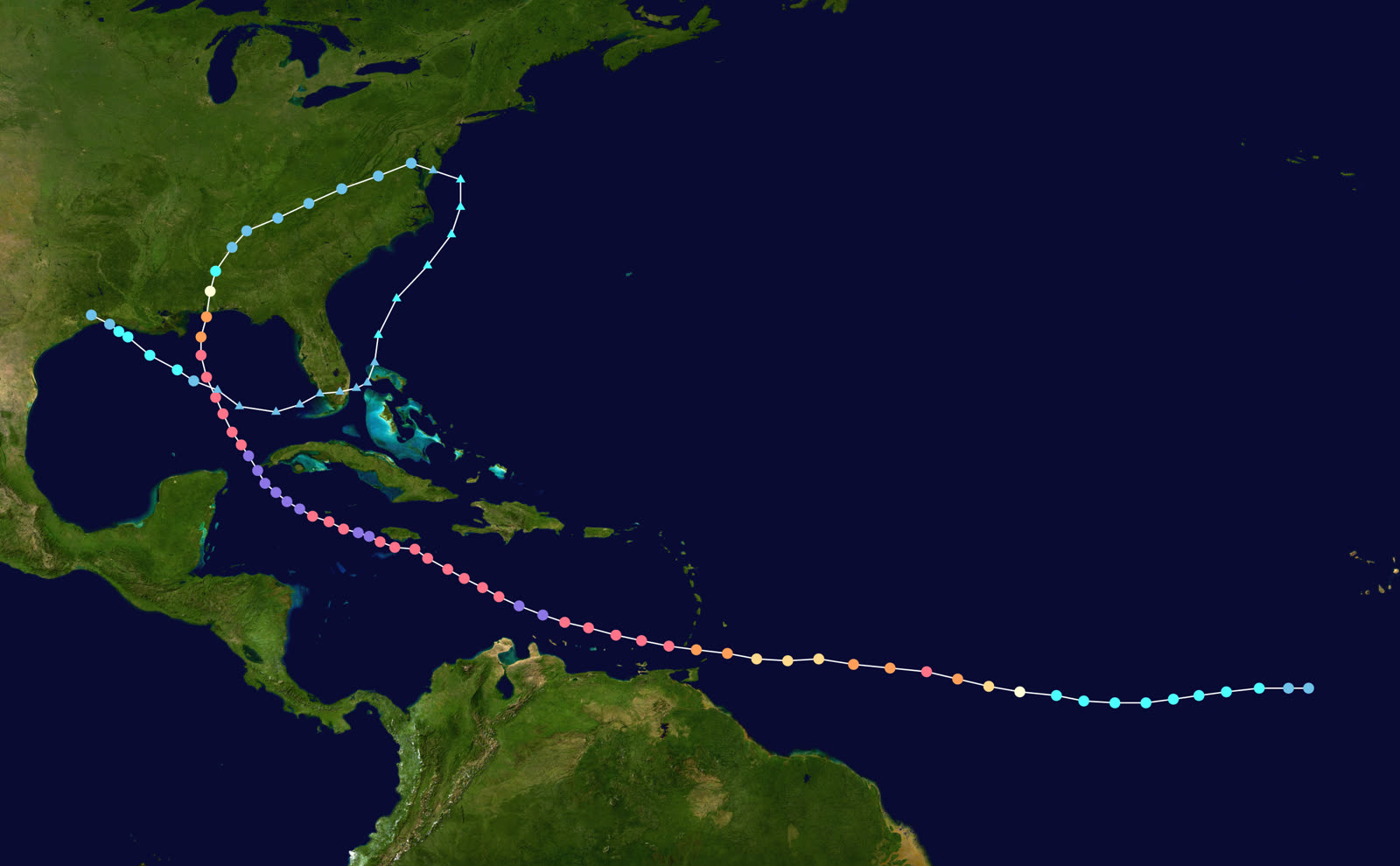
Ivan was the 2004 season's monster, a classical Cape Verde hurricane that reached Category 5 three times, peaking at 165 mph and 910 mb. It devastated Grenada, then buried Grand Cayman under 8-10 feet of surge topped by 20-30-foot waves.
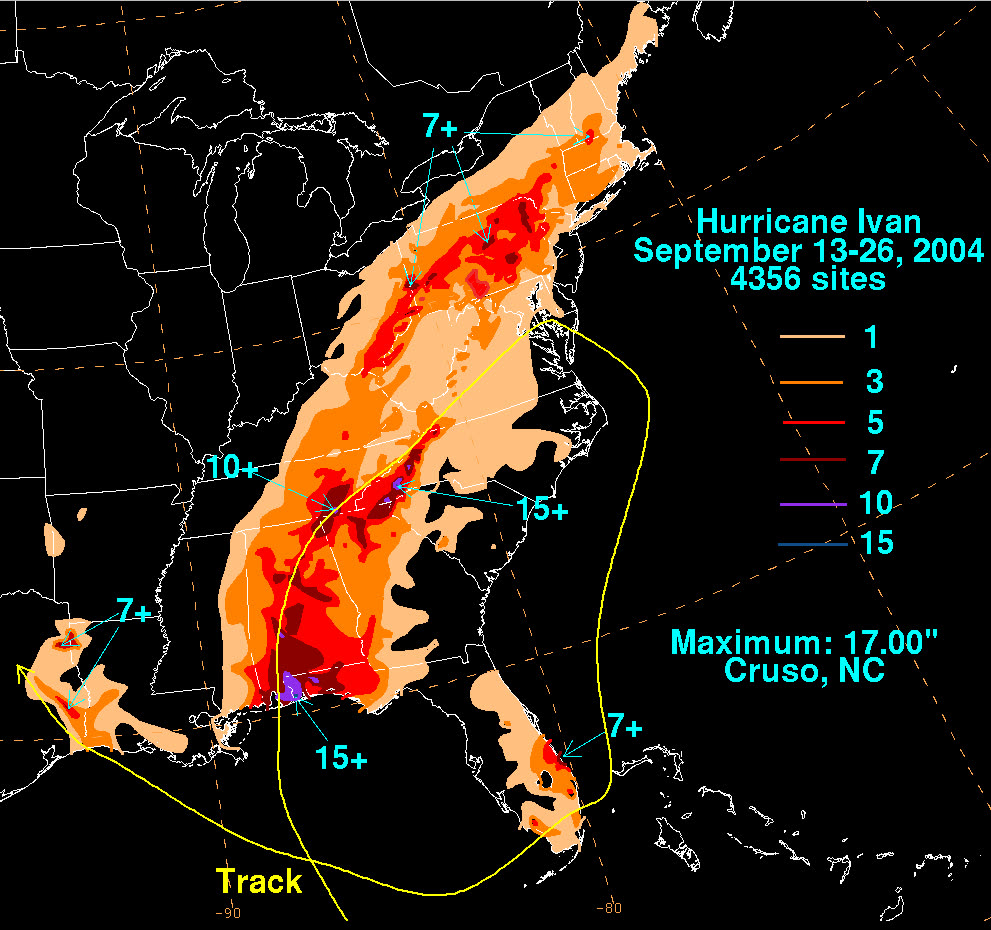
Weakening slowly over cooler shelf water, Ivan made its first US landfall at 0650 UTC on September 16, 2004, just west of Gulf Shores, Alabama, as a Category 3, 120 mph, 946 mb. The geometry mattered: the strongest winds rode the eastern eyewall across Perdido Key and Perdido Bay, putting the worst of the storm on the Florida side of the line, over greater Pensacola. Surge of 10 to 15 feet ran from Destin westward to Mobile Bay, driven by some of the largest waves ever measured in the Gulf. Ivan then produced a 117-tornado outbreak and flooding rain across the Southeast, and, in a final oddity, its remnant low looped back over Florida into the Gulf, regenerated, and hit Louisiana as a depression on September 24. Direct US deaths: 25. US damage: $18.8 billion nominal.
The damage
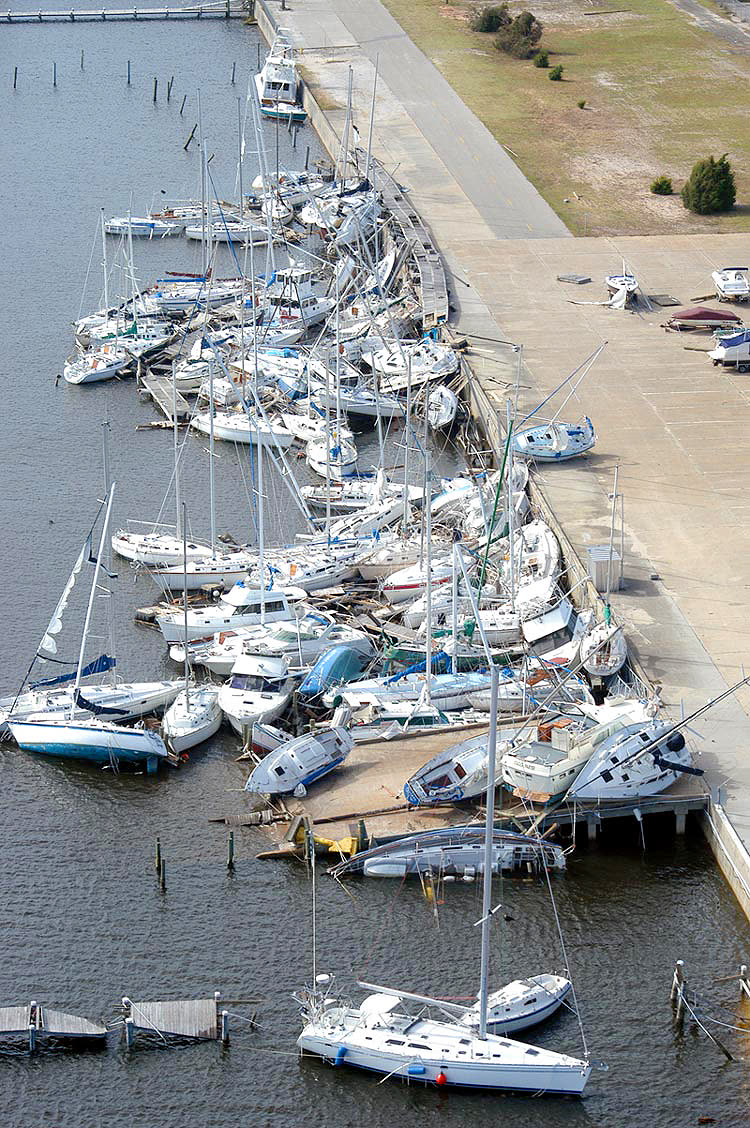
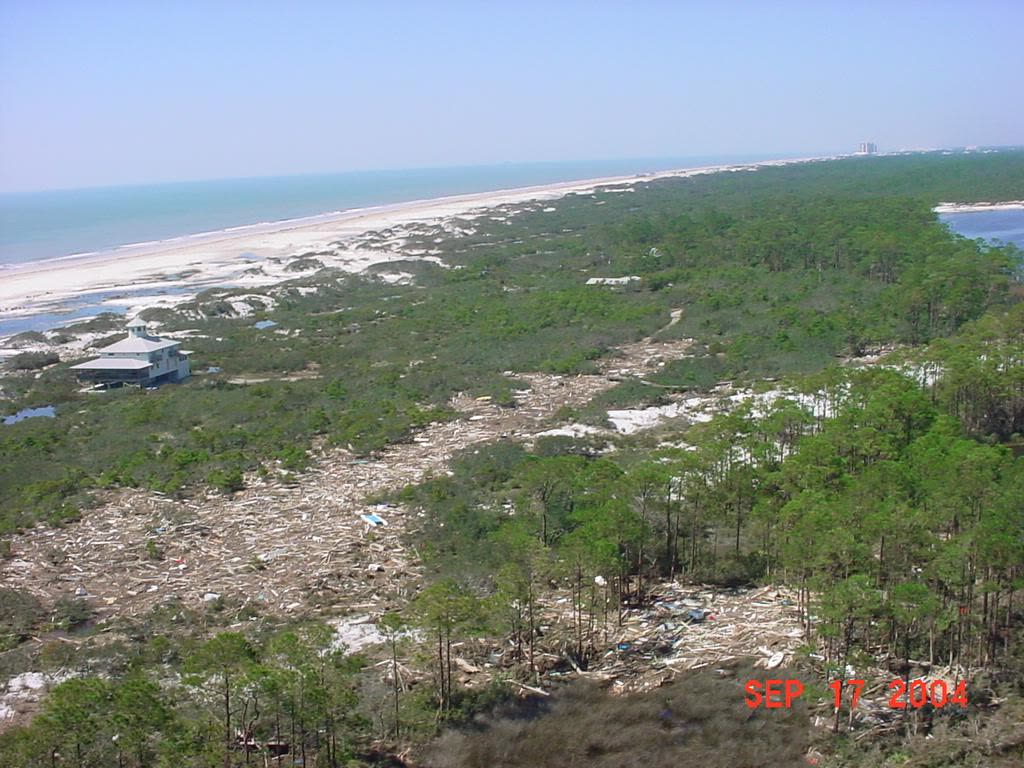
Escambia Bay's Interstate 10 bridge lost as much as a quarter-mile of roadway to wave action on top of surge; the US 90 causeway was heavily damaged too. Perdido Key was essentially leveled, beachfront houses, condos, and apartment buildings reduced in places to pilings and slabs. Innerarity Point and Orange Beach took severe surf and wind damage; thousands of homes across Escambia, Santa Rosa, and Baldwin counties were damaged or destroyed. Naval Air Station Pensacola sustained $800-900 million in damage. Inland, Ivan flattened timber, the Alabama Forestry Commission valued damaged timber at about $610 million across 2.7 million acres, and shut down a quarter of Gulf oil production for weeks.
The insurance aftermath
Insured US losses reached $7.11 billion, more than $4 billion of it in Florida, and Ivan produced the claim type that would dominate Gulf Coast insurance law for the next decade: the slab case. Where a beachfront home was reduced to its foundation, wind carriers argued surge (excluded flood) destroyed it; NFIP flood limits were often far below rebuild cost; and the policyholder was left to prove which force struck first. These wind-versus-flood allocation fights along Perdido Key and Orange Beach ran a full year before Katrina made "slab litigation" a national story, same arguments, same anti-concurrent-causation policy language.
Florida total losses carried an extra twist: under the Valued Policy Law as read by Mierzwa (decided months earlier), a total loss with any covered wind contribution arguably obligated the wind carrier for full policy limits. Carriers' Ivan exposure was part of what pushed the Legislature to amend § 627.702 in 2005; the fight is detailed in the Charley dossier.
Ivan was also the third Florida landfall in five weeks. Panhandle policyholders joined the multi-deductible pool that produced the December 2004 reimbursement program and the 2005 single-season deductible law (see Frances). And the rebuild was slow enough that when Dennis arrived ten months later, much of the coast was still under blue tarps, turning Dennis claims into arguments about pre-existing Ivan damage.
What policyholders learned
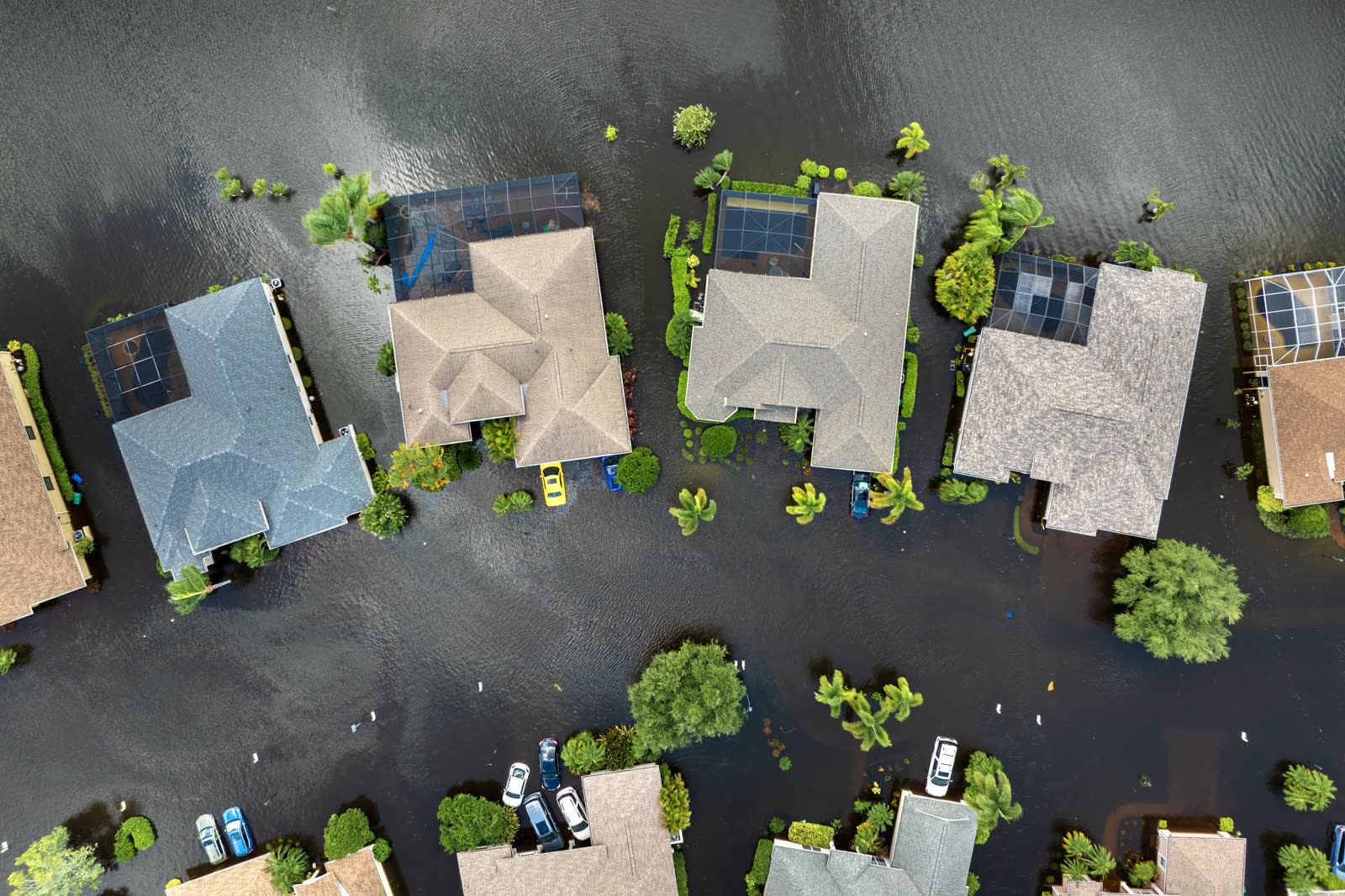
- The wind/flood line is drawn by evidence. Owners with time-stamped photos, video, stopped clocks, and neighbor accounts establishing wind damage before the surge arrived preserved the wind portion of slab claims; those without often recovered only NFIP limits.
- Two policies, two claims, always. Households with both wind and flood coverage who filed and documented both claims separately, rather than letting one adjuster characterize the whole loss, recovered more.
- Wave damage is still flood. Courts treated wave action atop surge as excluded water damage under homeowners policies; the coverage answer was an NFIP or excess flood policy bought before the storm.
- Engineering reports cut both ways. Carrier-hired engineers who attributed everything to surge were rebuttable; policyholders who commissioned independent structural assessments changed outcomes.
- Document the tarp era. With Dennis ten months out, owners who photographed completed repairs, and kept receipts, could defeat later "pre-existing damage" denials.
Not legal advice; consult an attorney about your specific claim. Damage figures are nominal (not inflation-adjusted) unless noted.