
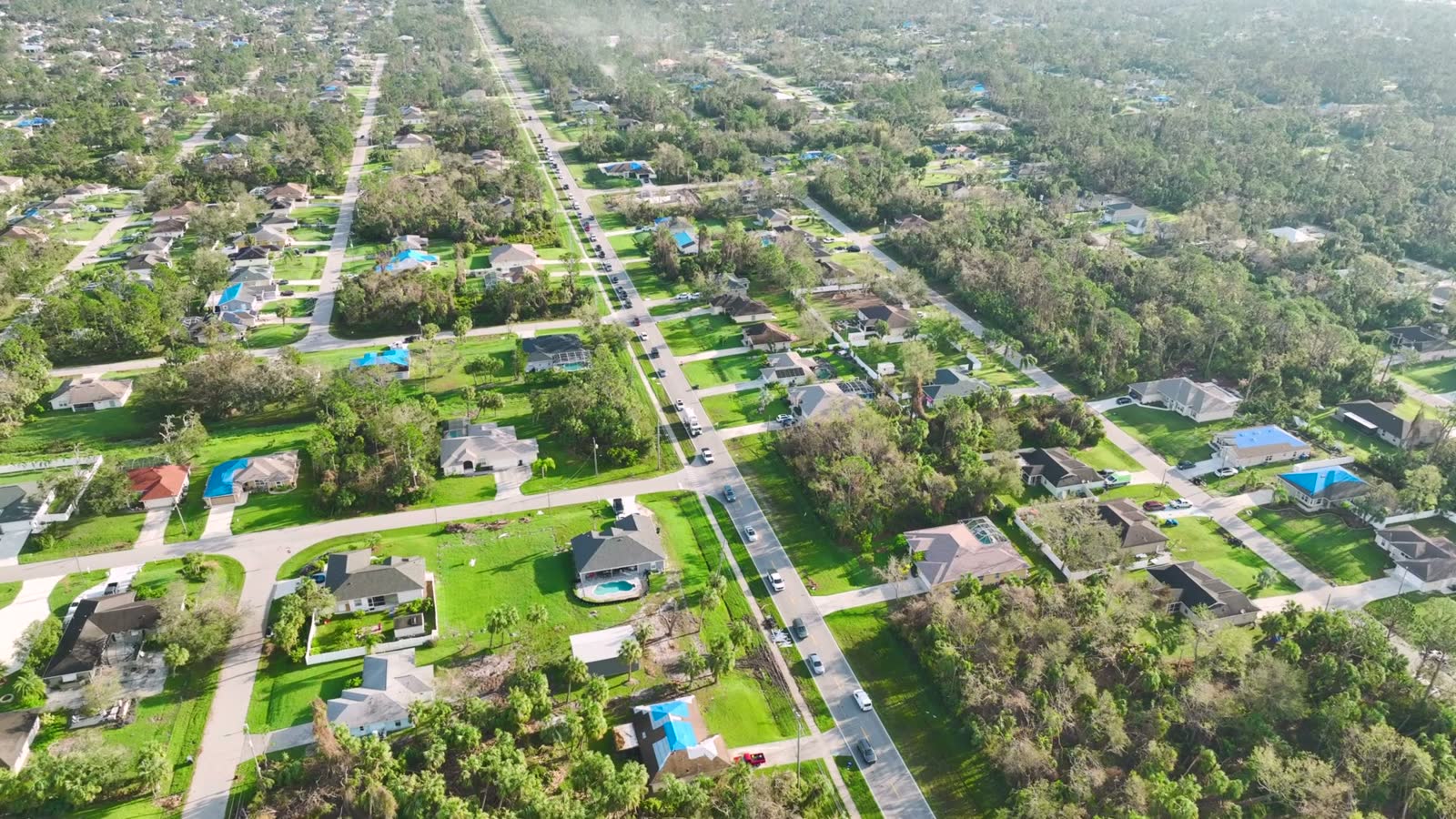
What are Georgia's hurricane claim rules?
- •Georgia’s bad-faith statute (O.C.G.A. § 33-4-6) lets you recover the loss plus a penalty of up to 50% of the liability or $5,000, whichever is greater, and attorney fees, after a 60-day written demand.
- •The Unfair Claims Settlement Practices Act (§ 33-6-34) sets the conduct standard the Insurance Commissioner enforces.
- •A written insurance contract carries a six-year limitations period (O.C.G.A. § 9-3-24), though your policy may set a shorter suit deadline.
- •Georgia’s biggest hurricane losses have been inland wind, Michael (2018) and Helene (2024), not just the coast.
Georgia’s hurricane exposure runs inland
Georgia has a short Atlantic coastline, so its hurricane risk is easy to underrate, and that is exactly the mistake. The state’s costliest storms have driven their damage inland: Hurricane Michael stayed a hurricane well into southwest Georgia in 2018, leveling timber stands and pecan groves, and Helene carried destructive wind and flooding deep across the state in 2024. Percentage hurricane deductibles concentrate in coastal territories, so away from the coast many Georgia homeowners carry standard policies with an "all other perils" deductible instead, but the wind, water, and wear-and-tear denial patterns are the same ones the private market runs everywhere.
What differs is the legal machinery around a disputed claim. Georgia’s consumer-protection code is compact but real, built on a bad-faith penalty statute and an unfair-practices law the Insurance Commissioner enforces. Those are the levers any Georgia insurance lawyer reaches for first.
The clock and the penalty
What Georgia law gives a denied policyholder
After a 60-day written demand, a bad-faith refusal exposes the insurer to the loss plus a penalty of up to 50% or $5,000, whichever is greater, and attorney fees.
The conduct standard the Insurance Commissioner enforces against licensed carriers.
A written demand is a prerequisite to the bad-faith penalty: start the paper trail early.
Written-contract limitations period (§ 9-3-24), subject to any shorter suit clause in your policy.
O.C.G.A. §§ 33-4-6, 33-6-34, 9-3-24 · POLICY SUIT-LIMITATION CLAUSE MAY CONTROL
The sequence matters: the 60-day written demand under § 33-4-6 is what opens the door to the penalty, so a Georgia claim that is being stalled or lowballed should be papered carefully from the start.
Filing a complaint in Georgia
Georgia’s insurance regulator is the Office of Commissioner of Insurance and Safety Fire. Its Consumer Services Division investigates conduct against licensed carriers under the Unfair Claims Settlement Practices Act. File online or by mail through oci.georgia.gov ↗, or call Consumer Services at 1-800-656-2298. The department can press the carrier for answers, but a coverage dispute that needs a money remedy runs through the § 33-4-6 bad-faith statute and the courts.
Georgia’s storms in the archive
The storm archive documents the hurricanes that shaped Georgia claims: track, wind, and what happened to the insurance afterward.
Still a hurricane deep into Georgia; catastrophic timber and agricultural wind loss.
Open the dossier →Drove far inland with damaging wind and flooding across central and eastern Georgia.
Open the dossier →Raked the Georgia coast from Savannah northward: wind and storm surge.
Open the dossier →Swept the whole state after its Florida landfall, knocking out power statewide.
Open the dossier →Georgia claim law: quick answers
How does Georgia’s bad-faith insurance penalty work?
Under O.C.G.A. § 33-4-6, if you make a written demand and the insurer fails to pay a covered claim within 60 days, and the refusal is found to be in bad faith, the insurer is liable for the loss plus a penalty of up to 50% of the liability or $5,000, whichever is greater, and reasonable attorney fees. The 60-day written demand is a prerequisite. The clock and the paper trail matter.
How long do I have to sue my insurer in Georgia?
A claim on a written contract, which includes an insurance policy, generally carries a six-year statute of limitations under O.C.G.A. § 9-3-24. However, many policies contain their own, shorter suit-limitation clause, so the controlling deadline is often set by the contract. Check your policy and treat the earliest applicable date as the deadline.
How do I file a complaint against my insurance company in Georgia?
File with the Office of Commissioner of Insurance and Safety Fire (Georgia’s DOI) at oci.georgia.gov, using the online consumer complaint form or by calling Consumer Services at 1-800-656-2298. The department investigates conduct against licensed insurers under the Unfair Claims Settlement Practices Act, though it does not award you damages.
Not legal advice; consult an attorney about your specific claim.
Georgia's lever is the § 33-4-6 penalty, after a 60-day demand
Georgia's costliest hurricane losses have come inland. Michael was still at hurricane strength deep into the state in 2018, and Helene drove wind and flooding across central and eastern Georgia in 2024. Many Georgia homeowner policies away from the coast carry an all-other-perils deductible rather than a percentage hurricane deductible. Under O.C.G.A. § 33-4-6, if you make a written demand and the insurer fails to pay a covered claim within 60 days, and the refusal is found to be in bad faith, the carrier owes the loss plus a penalty of up to 50% or $5,000, whichever is greater, and attorney fees. The 60-day written demand is a prerequisite. A written insurance contract carries a six-year limitations period (§ 9-3-24).
The peril usually drives the dispute. Wind, water, and flood damage route through different coverages, and carriers often assign an inland-wind loss to a cheaper cause. When a claim is denied or underpaid, the § 33-4-6 bad-faith penalty is the lever, but a coverage fight that needs a money remedy runs through the courts, not the Commissioner. If your loss or carrier touches neighboring states, compare the rules in Florida and South Carolina.
A Georgia claim denied or shorted?
Upload the denial letter or estimate. You'll get a straight read on whether the refusal could support a § 33-4-6 bad-faith claim, and what the 60-day demand requires.