
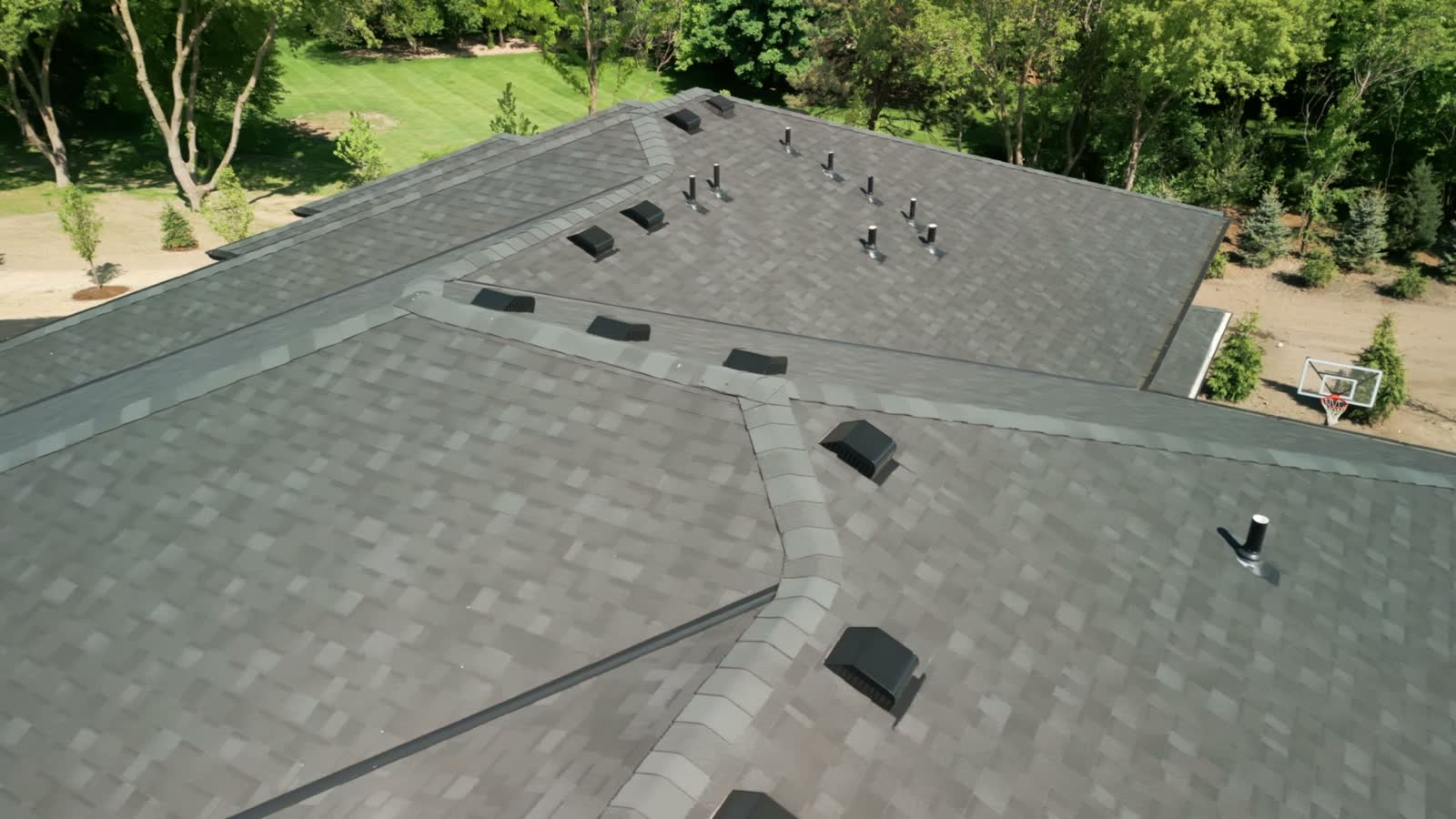
| Carrier | First Community Insurance Company |
|---|---|
| Arguments used | Wear and tear · Pre-existing damage |
| What happened next | Civil Remedy Notice filed with Florida's Department of Financial Services, which opens a 60-day window for the insurer to cure. |
When a denial rests on an engineering report, the report is the decision and the letter is only its cover sheet. This one cites EFI Global and reproduces the findings as a numbered list, which is the most answerable form a denial can take.
Ruled out is a strong phrase. It is not a statement that wind damage was not found; it is a statement that wind can be excluded as a cause, which is a conclusion an engineer has to support with method: what was inspected, from where, against what wind data for that address and date, and by what reasoning uplift was eliminated.
The third finding is the one to weigh separately. Ground settlement as the cause of exterior wall damage is a different mechanism from roof wear, with different evidence: crack geometry, whether the cracks are stepped or vertical, and whether they track the foundation. A single report attributing every element of a claim to a different non-covered cause is a report worth reading in full, and a policyholder is entitled to ask for it.
Florida DFS Civil Remedy Notice, filing no. 672089, accepted 2/3/2023, Kissimmee. The filing is not the letter: the passage below is the denial letter's own language as the policyholder quoted it, where the denial letter cited the conclusions of EFI Global's engineering report. · public record ↗
Quotes are verbatim from the cited public record, checked word for word before publication. Case status and statute summaries are as of August 2026; check the current docket and statute. Not legal advice; consult an attorney about your specific claim.
Got a letter like this one?
Upload it. You'll get a straight answer on which argument the carrier is running, how the same argument has fared on the record, and what the strongest next move is.
The library grows one letter at a time. Letters shared with permission are published redacted, with the policyholder's details removed.