
| Carrier | Nationwide Property and Casualty Insurance Company |
|---|---|
| Arguments used | Wear and tear · Pre-existing damage |
| What happened next | Civil Remedy Notice filed with Florida's Department of Financial Services, which opens a 60-day window for the insurer to cure. |
This letter concedes more than it means to. It accepts that there are creased field shingles, which is wind damage, and moves them to a different date of loss rather than denying they exist.
That is a narrower position than it first appears, and it carries a burden. Assigning damage to another storm is a claim about when, and the insurer is asserting it. The evidence that answers it is the same either way: wind records for the address across the candidate dates, and the prior claim history, since damage attributed to an earlier storm was either paid, denied, or never reported, and each of those leaves a trace.
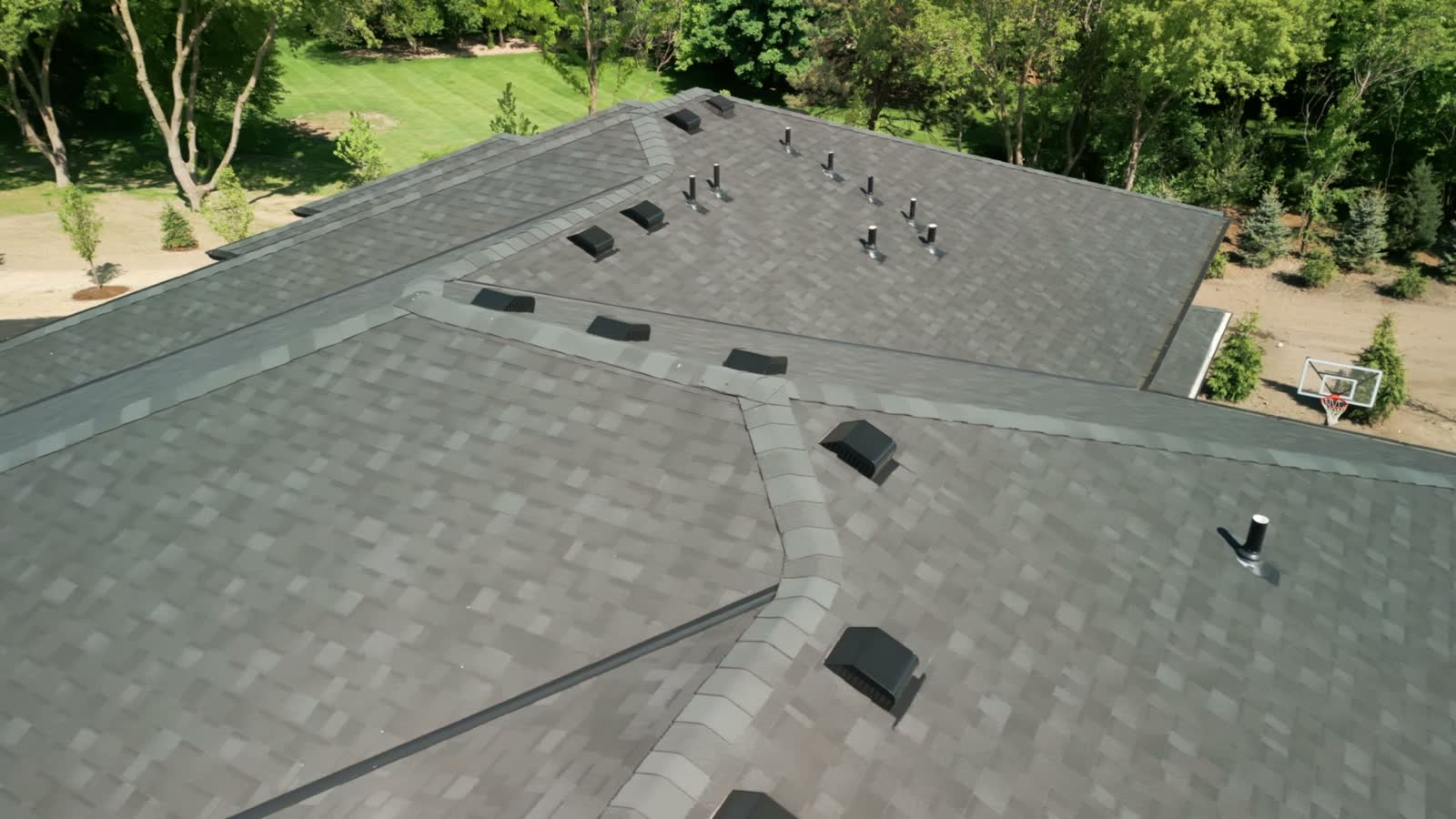
Heat blisters are the second finding. Blisters are manufacturing or ventilation defects that pop and lose granules from the center; wind creasing bends the tab. They are distinguishable on the roof, which is precisely why the photographs behind this letter are worth having.
IN THE RECORD
- Civil Remedy Notices
- More documents from this carrier
Florida DFS Civil Remedy Notice, filing no. 803075, accepted 1/23/2025, Ocoee. The filing is not the letter: the passage below is the denial letter's own language as the policyholder quoted it, where within the denial letter the insurer included the following statement. · public record ↗
Quotes are verbatim from the cited public record, checked word for word before publication. Case status and statute summaries are as of August 2026; check the current docket and statute. Not legal advice; consult an attorney about your specific claim.
Got a letter like this one?
Upload it. You'll get a straight answer on which argument the carrier is running, how the same argument has fared on the record, and what the strongest next move is.
The library grows one letter at a time. Letters shared with permission are published redacted, with the policyholder's details removed.