
| Carrier | SafePoint Insurance Company |
|---|---|
| Arguments used | Wear and tear · Pre-existing damage |
| What happened next | Civil Remedy Notice filed with Florida's Department of Financial Services, which opens a 60-day window for the insurer to cure. |
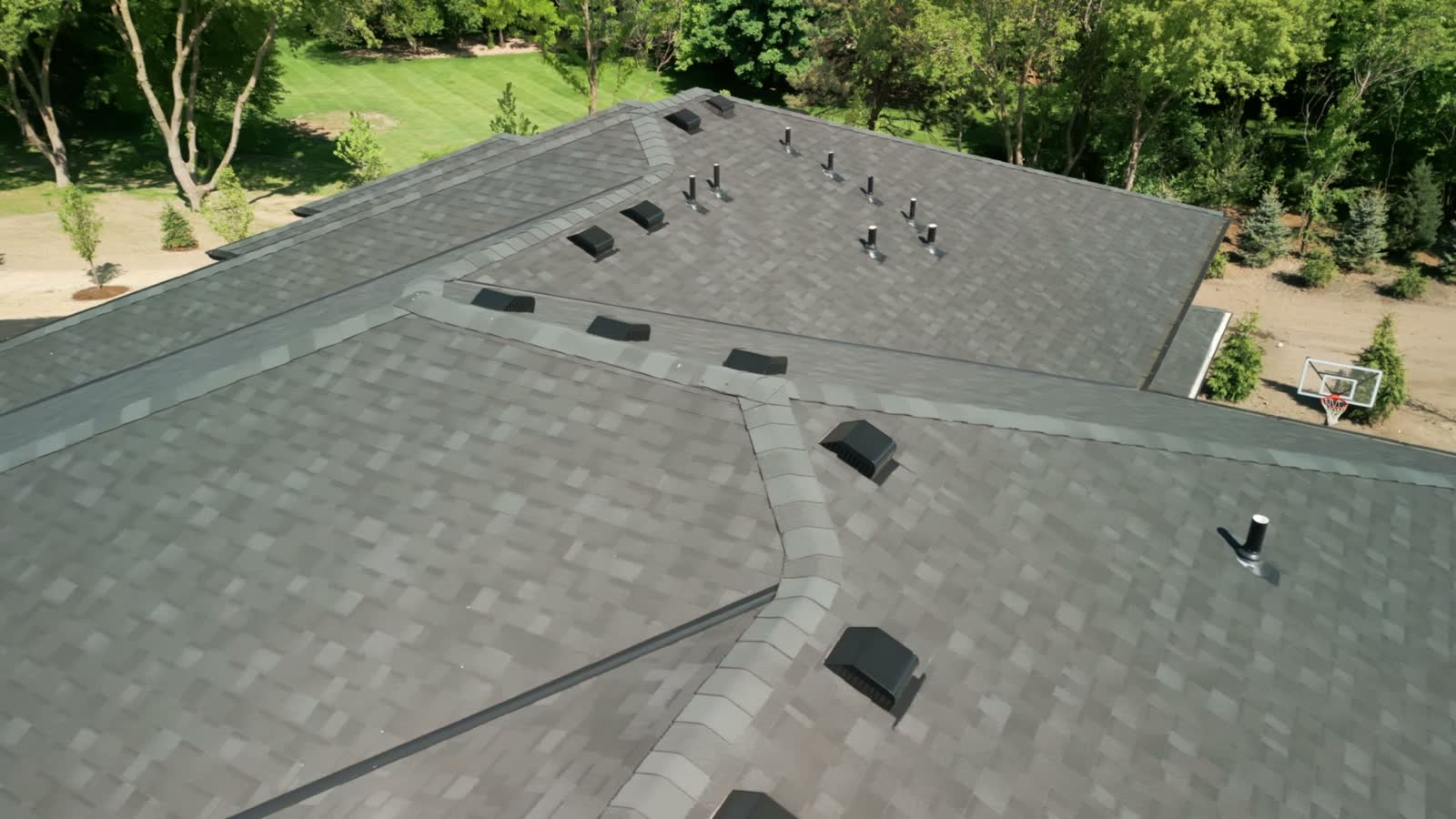
This is a flat-roof denial, and the vocabulary gives it away: scuppers and roof drains belong to low-slope roofs, and ponding is the word for water that sits on one rather than running off.
Ponding is a maintenance argument. Standing water on a flat roof degrades the membrane over time, so attributing damage to ponding says the roof failed gradually because water was not draining, not because a storm damaged it. The claim is testable in a specific way: whether the drains were clear, whether the ponding predates the loss, and whether the membrane failure sits where water stands or somewhere else entirely.
It also matters that ponding often follows storm damage rather than preceding it. Debris blocks a scupper, water backs up, and the standing water that the adjuster photographs is a consequence of the event rather than a pre-existing condition. Which came first is the question the letter treats as already settled.
IN THE RECORD
- Carrier dossier SafePoint Insurance
- Civil Remedy Notices
- More documents from this carrier
Florida DFS Civil Remedy Notice, filing no. 790385, accepted 11/5/2024, North Palm Beach. The filing is not the letter: the passage below is the denial letter's own language as the policyholder quoted it, where the insurer based the denial on the rationale that the damage sustained was a result of this. · public record ↗
Quotes are verbatim from the cited public record, checked word for word before publication. Case status and statute summaries are as of August 2026; check the current docket and statute. Not legal advice; consult an attorney about your specific claim.
Got a letter like this one?
Upload it. You'll get a straight answer on which argument the carrier is running, how the same argument has fared on the record, and what the strongest next move is.
The library grows one letter at a time. Letters shared with permission are published redacted, with the policyholder's details removed.