
| Carrier | Castle Key Indemnity Company |
|---|---|
| Arguments used | Wear and tear · Cosmetic |
| What happened next | Civil Remedy Notice filed with Florida's Department of Financial Services, which opens a 60-day window for the insurer to cure. |
This denial rests on two findings, and the second is unusual enough to be useful: the carrier cites storm data for the date of loss, reports a maximum hail size of half an inch, and concludes that hail that size could not have damaged the shingles.
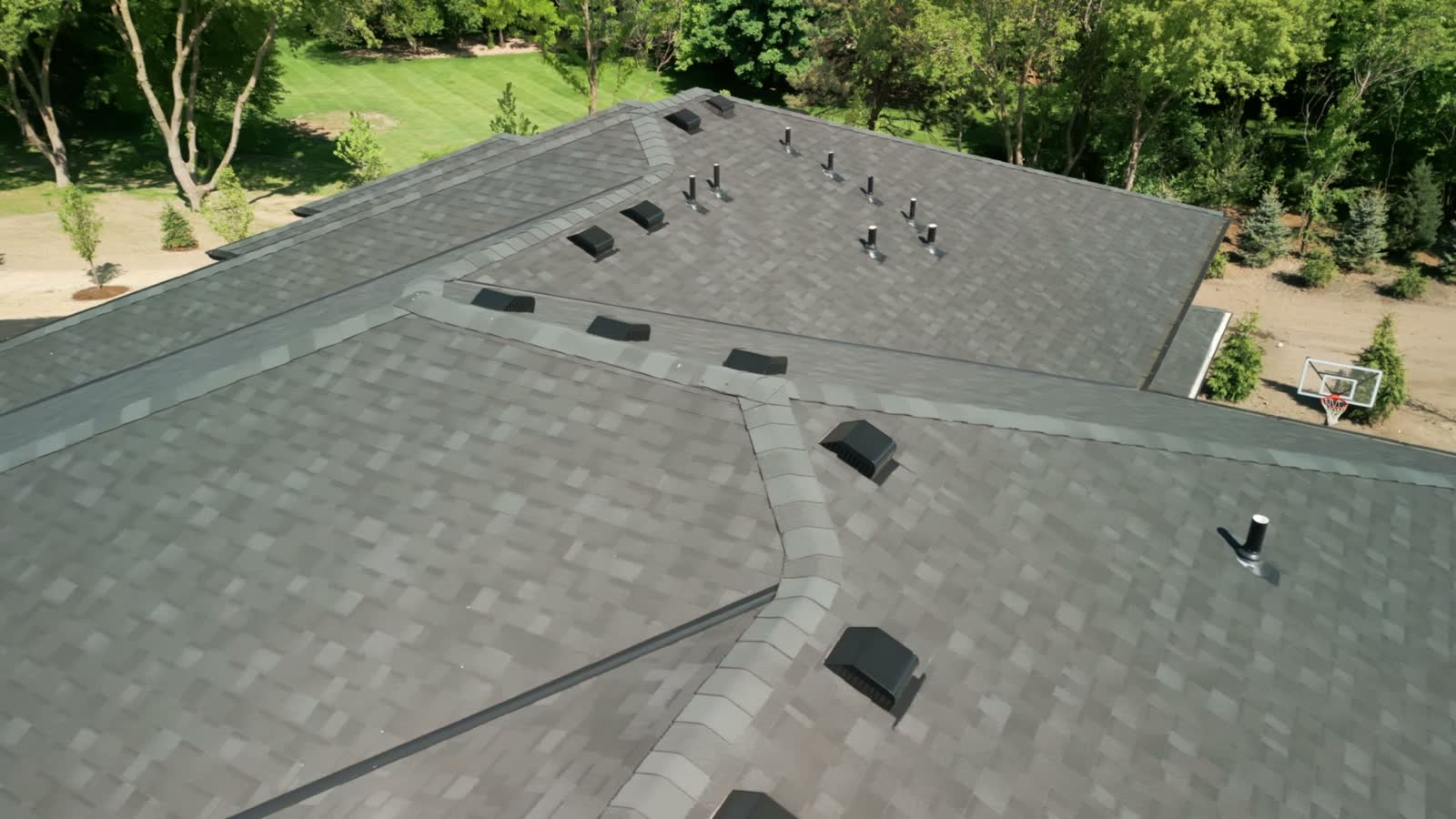
A stated number is a checkable number. Hail-size figures for a given address and date generally come from radar-derived products, and radar estimates a maximum over an area rather than what fell on one roof. Reported sizes at nearby ground-truth stations, the timing of the cell, and the direction of impact marks on soft metals such as vents and gutter aprons are all evidence a policyholder can put against a modeled maximum.
The first finding, blistering, is the more common one. Blisters are round and lose granules from the center; hail bruises the mat and leaves it soft underfoot. The distinction is visible on the roof, and telling them apart is exactly what an independent inspection is for.
IN THE RECORD
- Civil Remedy Notices
- More documents from this carrier
Florida DFS Civil Remedy Notice, filing no. 804111, accepted 1/29/2025, Saint Johns. The filing is not the letter: the passage below is the denial letter's own language as the policyholder quoted it, where following its inspection, Castle Key denied the claim and noted. · public record ↗
Quotes are verbatim from the cited public record, checked word for word before publication. Case status and statute summaries are as of August 2026; check the current docket and statute. Not legal advice; consult an attorney about your specific claim.
Got a letter like this one?
Upload it. You'll get a straight answer on which argument the carrier is running, how the same argument has fared on the record, and what the strongest next move is.
The library grows one letter at a time. Letters shared with permission are published redacted, with the policyholder's details removed.