
| Carrier | Heritage Property & Casualty Insurance Company |
|---|---|
| Arguments used | Wear and tear · Late notice |
| What happened next | Civil Remedy Notice filed with Florida's Department of Financial Services, which opens a 60-day window for the insurer to cure. |
The letter counts the damage and then declines to pay for it. According to the filing, the same correspondence records 18 creased tabs on the front slopes and 25 on the rear, and denies on two grounds: an incorrect date of loss, and wear and tear.
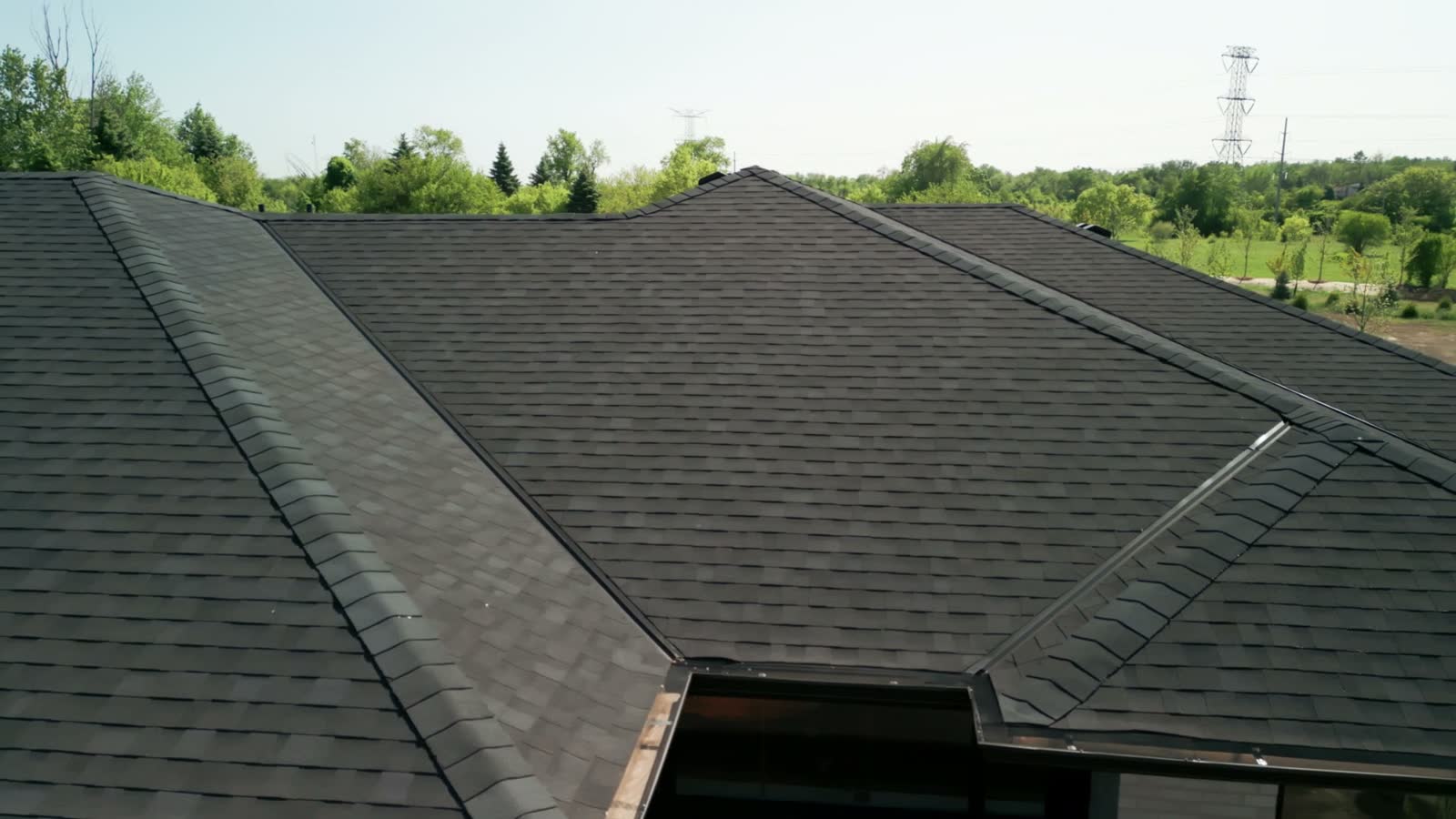
Creasing is the detail worth holding onto. A creased shingle tab has been bent back and dropped, which is a wind mechanism, and it is a different physical signature from the granule loss and curling that age produces. Counting 43 of them is a finding about wind, recorded by the insurer.
Which puts the weight on the first ground. Incorrect date of loss is a coverage argument disguised as bookkeeping: it can move a claim into a different policy year, a different deductible, or outside a notice window under section 627.70132. It is also correctable. If the reported date is wrong, the fix is to establish the right one from storm records for the address, not to abandon the claim.
IN THE RECORD
- Carrier dossier Heritage Property & Casualty
- Civil Remedy Notices
- More documents from this carrier
Florida DFS Civil Remedy Notice, filing no. 810053, accepted 3/7/2025, Palm Harbor. The filing is not the letter: the passage below is the denial letter's own language as the policyholder quoted it, where the same letter records 18 creased tabs on the front slopes and 25 on the rear slopes, and continues. · public record ↗
Quotes are verbatim from the cited public record, checked word for word before publication. Case status and statute summaries are as of August 2026; check the current docket and statute. Not legal advice; consult an attorney about your specific claim.
Got a letter like this one?
Upload it. You'll get a straight answer on which argument the carrier is running, how the same argument has fared on the record, and what the strongest next move is.
The library grows one letter at a time. Letters shared with permission are published redacted, with the policyholder's details removed.